







55503273
Soziale Wahrnehmung
In 10 interaktiven H5P-Modulen wird Wissen zur sozialen Wahrnehmung dargestellt und abgefragt.
Das Medium bietet H5P-Aufgaben an, die ohne zusätzliche Software verwendbar sind.
Durch interaktive Aufgabentypen wird das audiovisuelle und interaktive Lernen einfach.
Lernen macht jetzt Spaß!
Included Tasks
- I Was bedeutet Wahrnehmung? - Interaktive Aufgaben
- II Sozialpsychologie & Sozialisation - Interaktive Aufgabe
- III Soziale Wahrnehmung - Interaktive Aufgaben
- IV Soziale Wahrnehmungsverzerrung - Interaktive Aufgaben
- V Typen von Wahrnehmungsverzerrung - Wissensbox
- VI Selbsterfüllende Prophezeiung - Interaktive Wahrnehmung
- VII Erkennst du die Verzerrung? - Interaktive Aufgabe
- VIII Wahrnehmung & Persönlichkeitseigenschaften - Interaktiver Lückentext
- IX Wahrnehmung / Identität / Gruppe - Interaktive Aufgabe
- X Spielend wahrgenommen - Wissensstand per Kreuzworträtsel
Curriculum-centred and oriented towards educational standards
Matching
Inclusion
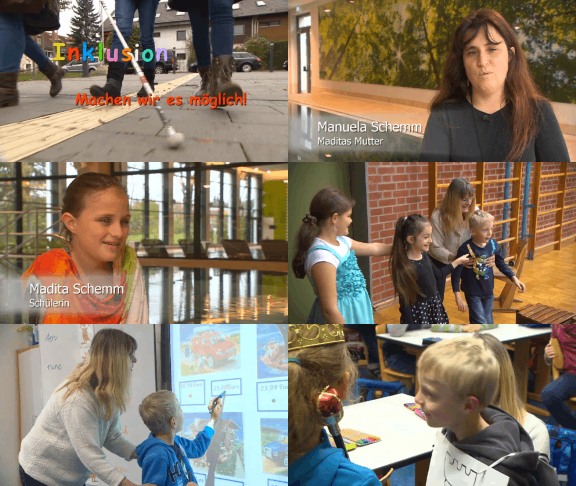
Madita is eleven and blind. She does not want to go to a special school but to a regular grammar school. She says she feels "normal" there. Jonathan is eight and has a walking disability. He likes going to the school where he lives. Here, his best friend sits next to him. Max Dimpflmeier, a teacher who is severely deaf, explains that school life is not easy. Quote Max Dimpflmeier: "You don't want to attract attention, you want to avoid saying that it is necessary for you that 70 people adjust to your situation." People on their way to inclusion.


Internet Addiction
The film consists of two parts. The first part is the 15-minute short film “In the Net”. It describes the problem of excessive Internet use in a humorous way, in particular the risk of losing touch with reality when chatting. The second part illustrates with three real persons how Internet addiction can develop and the problems encountered by those who are afflicted. The authentic statements are commented by an experienced therapist. For many pupils, the issues addressed here are related to their everyday lives. What is a “sensible” use of the Internet, where does pathological addiction start? In contrast to addiction to alcohol, nicotine or drugs, the public seems to be largely ignorant of the problem of this addiction, which is not related to any substance abuse. The film provides material for discussion in the classroom (crossdisciplinary) and can be used as a basis for the formulation of prevention strategies.

Tolerance
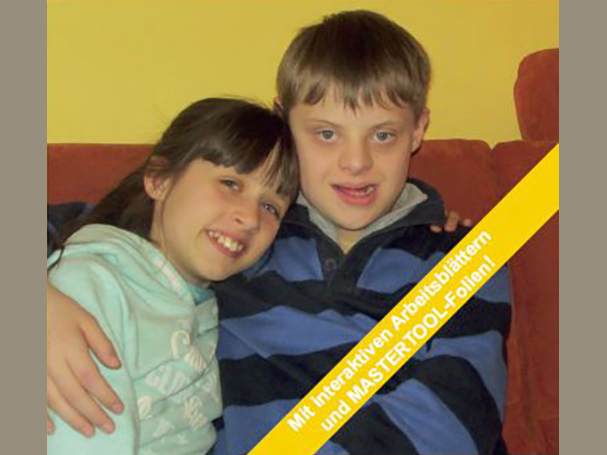
“Tolerance means being generous and kind to other people and helping them, too.”