







 Society


46505050 / 55504930
Seal of approval
Meaning, statement, reliability
Quality seals such as the “Bio-Siegel”, “Blauer Engel”, “Stiftung Warentest” and up to 1,000 other seals represent characteristics such as sustainability, health or safety with regard to a product, a service or even a company.
The film “Gütesiegel” (Seal of Approval) provides an insight into the origins of the seals of approval and their former value. The film also explains how customers can question in their everyday lives whether the promises made by seals on products stand up to reality, what forms of consumer protection exist, and sensitizes students to the reliability of seals of quality.
Learning objectives:
1. students will learn about different labels and their meaning. 2. students will be able to identify organizations that offer labels.
The students will be able to name consumer protection organizations. 3.
3. the students reflect and evaluate their own consumer behavior.
In the detailed data section of the DVD 66 pages of teaching and accompanying material, including:
20 pages of worksheets and supplements with solutions
10 test exercises
10 interactive tasks
- <> Languages : DE
- <> Target Groups : Sek I
- <> Subject : Society
- <> Length : 18:35 min
- View in learning platform
Licenses

Curriculum-centred and oriented towards educational standards
Matching


Air Traffic
Being able to fly has been a dream of humanity from time immemorial. But it does not even date back a century that people actually started being able to travel through the air. Since the 1960s, the number of flight passengers has been constantly increasing. Thus, the airspace is no longer dominated by birds but by man-made flying objects.
Inclusion
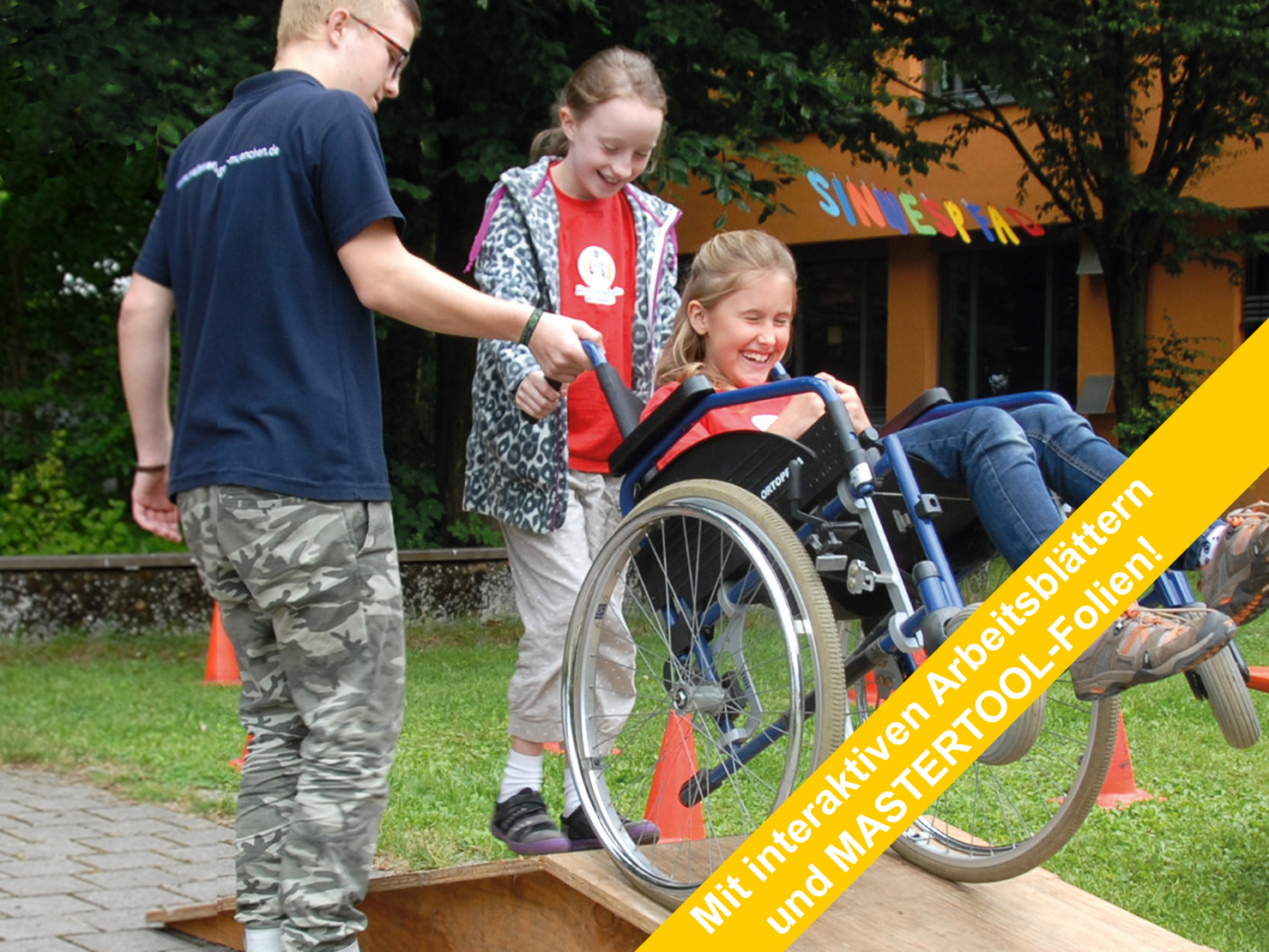
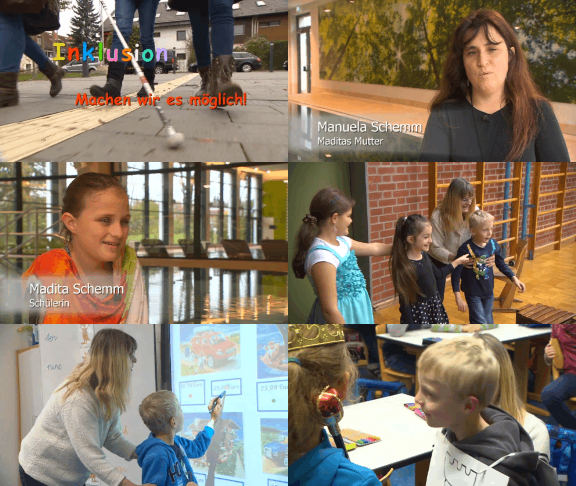
Madita is eleven and blind. She does not want to go to a special school but to a regular grammar school. She says she feels "normal" there. Jonathan is eight and has a walking disability. He likes going to the school where he lives. Here, his best friend sits next to him. Max Dimpflmeier, a teacher who is severely deaf, explains that school life is not easy. Quote Max Dimpflmeier: "You don't want to attract attention, you want to avoid saying that it is necessary for you that 70 people adjust to your situation." People on their way to inclusion.