







 Preschool

4658339 / 5551759
Road Safety Education
How to Move in Traffic
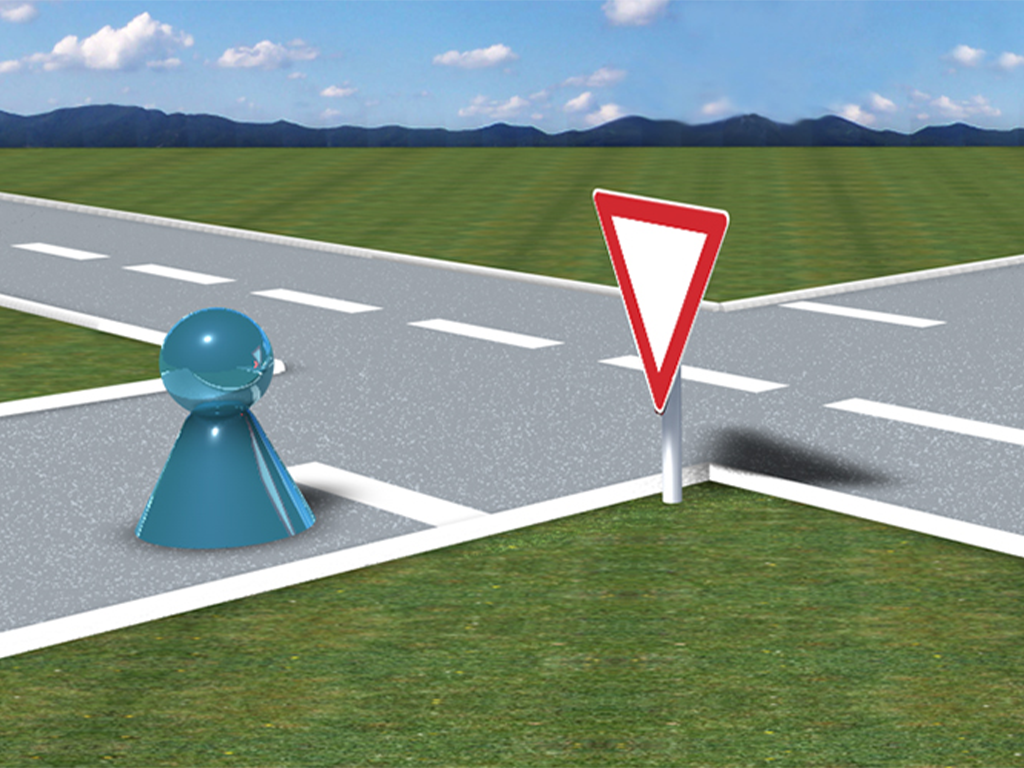
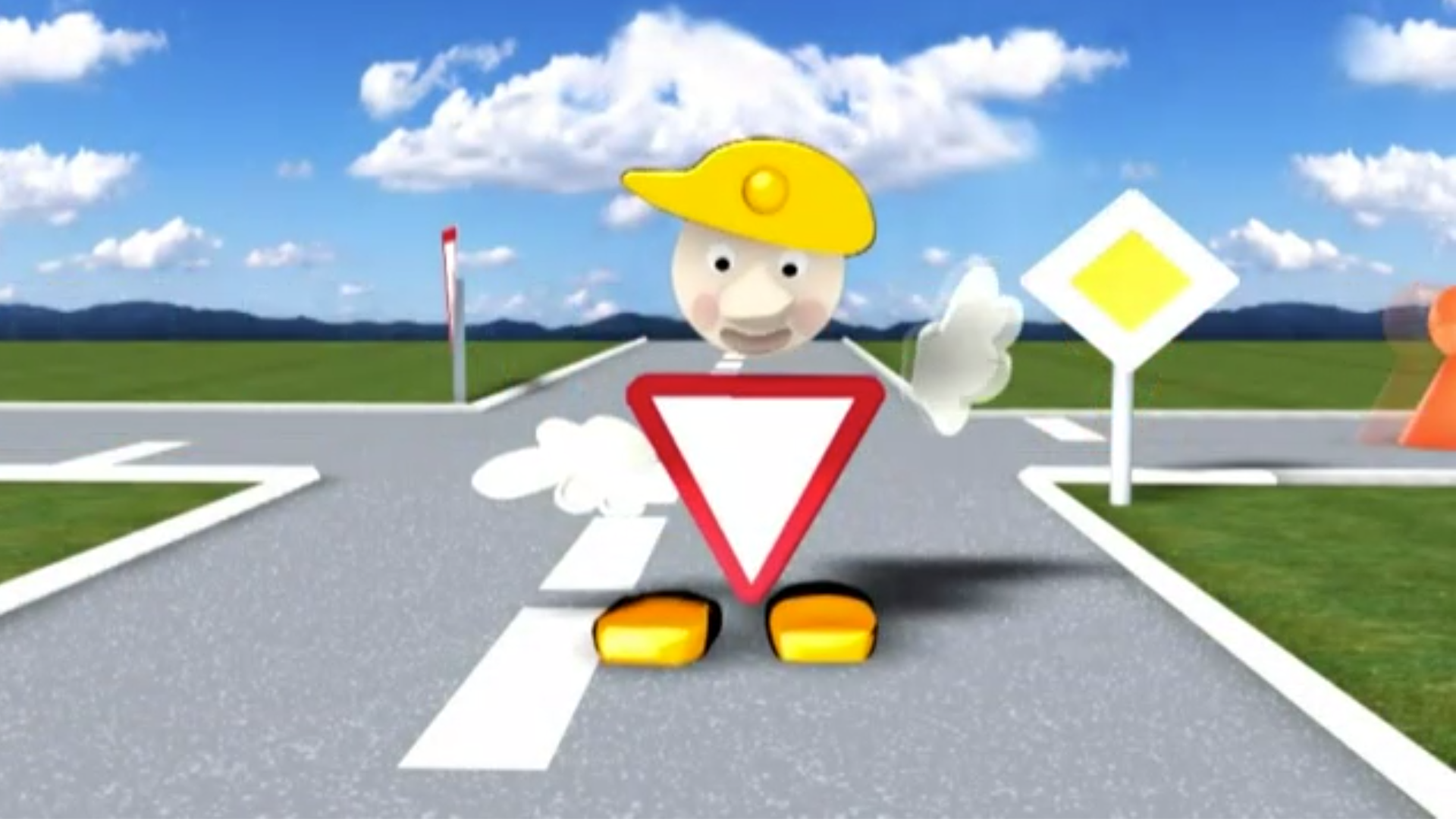
Road safety education for children is a difficult task for parents, tutors and teachers. Correct behaviour in road traffic is extremely hard to learn for children. They are not aware of the dangers. But how can you raise their awareness without frightening them? How can you encourage their autonomy in road traffic without exposing the children to dangers? The give-way sign “Signo” guides the children through traffic. It describes the correct crossing of a street and shows the dangers of playing next to a street and the right behaviour for passengers in a car. The film also describes the right clothes in the dark, the safe bike and the most important traffic rules. “Signo” asks well-directed questions to actively include the children in what is happening. The accompanying material contains ideas for practical implementation, games, songs, active games and painting sheets on the subjects. Work sheets for primary school are also included. Based on this comprehensive material, the DVD is ideal for projects in kindergartens, after-school care centres and primary schools.
Play trailer
- <> Languages : DE, EN, TR
- <> Target Groups : ELE, FÖ, GRU, GS
- <> Subject : Preschool
- <> Length : 21:17 min
- View in learning platform
Licenses
Curriculum-centred and oriented towards educational standards
Matching

Copyright
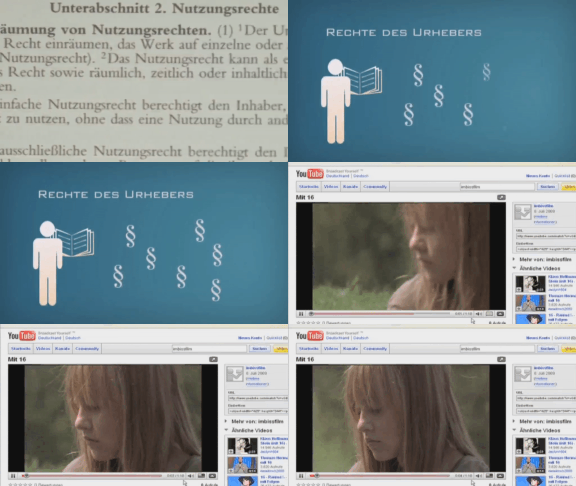
Copyright is subject to constant change to keep up with technological advances. This film enables the viewer to grasp the basic principles of this extremely intricate matter. By way of introduction, the film defines what an author is, what kinds of works there are and how long a work is protected on principle. Then the fundamental rights of an author are cited and it is shown how these are exploited in our times. In the third chapter, the respective rights are illustrated by way of practice-oriented examples of books, photos, music and films. Here, of course, an emphasis is laid on the field of education, taking into account the latest case law within the EU and Austria in particular. A further chapter highlights the problems arising with the Internet and goes into the citation law and pirate copies. All in all, in this way the viewer is made familiar with the most important basic terms and their meanings. Comprehensive worksheets and additional accompanying material invite us to deepen our knowledge of the subject.

Internet Addiction
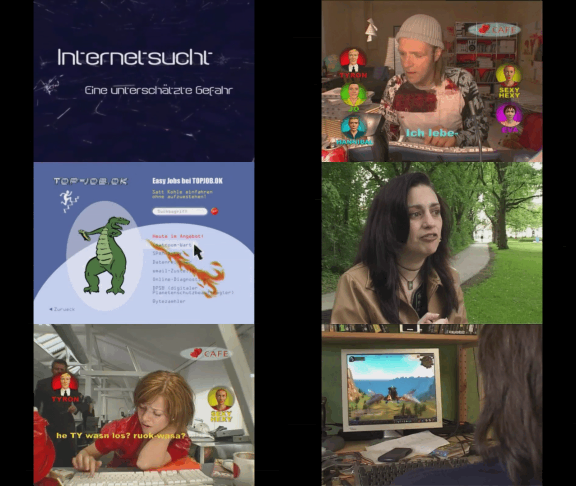
The film consists of two parts. The first part is the 15-minute short film “In the Net”. It describes the problem of excessive Internet use in a humorous way, in particular the risk of losing touch with reality when chatting. The second part illustrates with three real persons how Internet addiction can develop and the problems encountered by those who are afflicted. The authentic statements are commented by an experienced therapist. For many pupils, the issues addressed here are related to their everyday lives. What is a “sensible” use of the Internet, where does pathological addiction start? In contrast to addiction to alcohol, nicotine or drugs, the public seems to be largely ignorant of the problem of this addiction, which is not related to any substance abuse. The film provides material for discussion in the classroom (crossdisciplinary) and can be used as a basis for the formulation of prevention strategies.
Peer Mediation
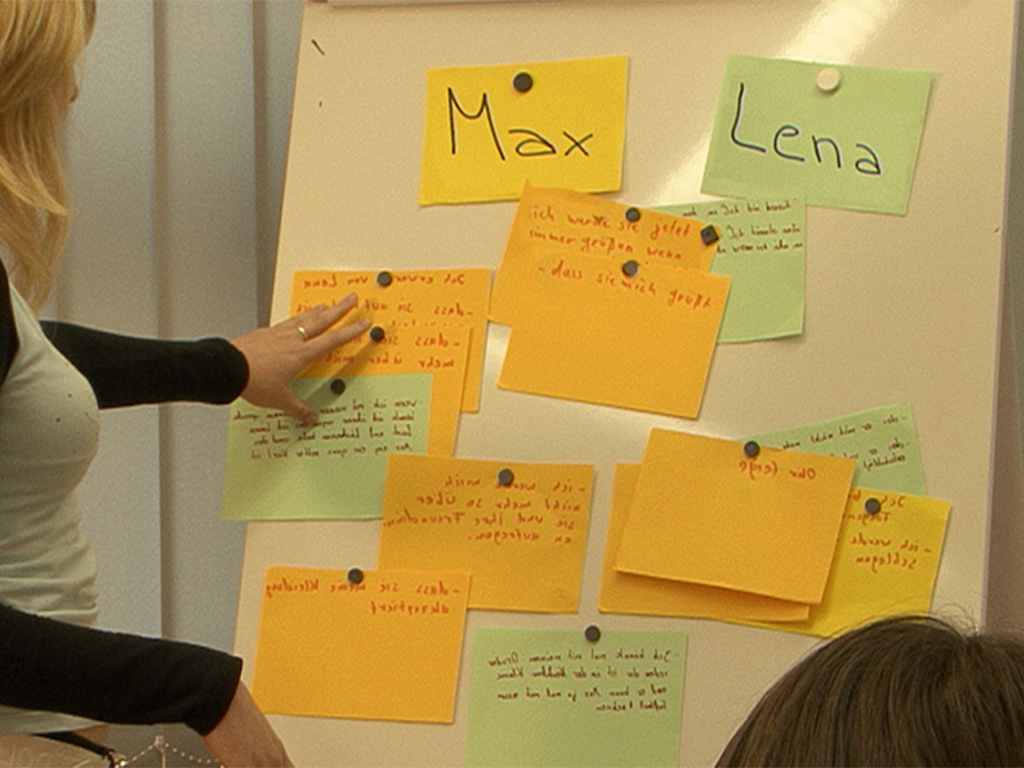
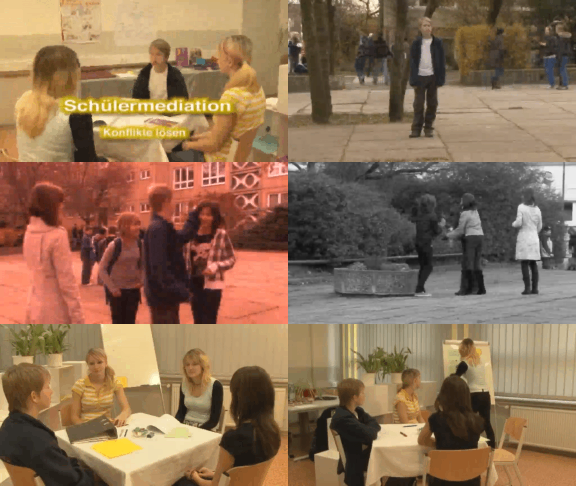
Lena and Max attend the 7th form. Max is new in class. During a break, Max notices that Lena and her friend are laughing at him again. Max loses his temper! He slaps Lena in the face. That hurts and Lena runs back into the classroom with a red cheek. The growing conflict between the two has escalated. Just like Lena and Max, every day pupils all over Germany have rows with each other. At the Heinrich Hertz Gymnasium in Thuringia, pupils have been trained as mediators for years. At set hours, they are in a room made available by the school specifically for mediation purposes. The film describes the growing conflict between Max and Lena and shows a mediation using their example. In doing so, the terms “conflict” and “peer mediation” are explained in a non-technical way. The aims of peer mediation and its progress in five steps as well as the mediators’ tasks are illustrated. The art of asking questions and “mirroring”, which the mediators must know, is described and explained. Together with the comprehensive accompanying material, the DVD is a suitable medium to introduce peer mediation at your school, too.