







 Artistry

4678995 / 5565755
Renaissance
Art, Science, Architecture
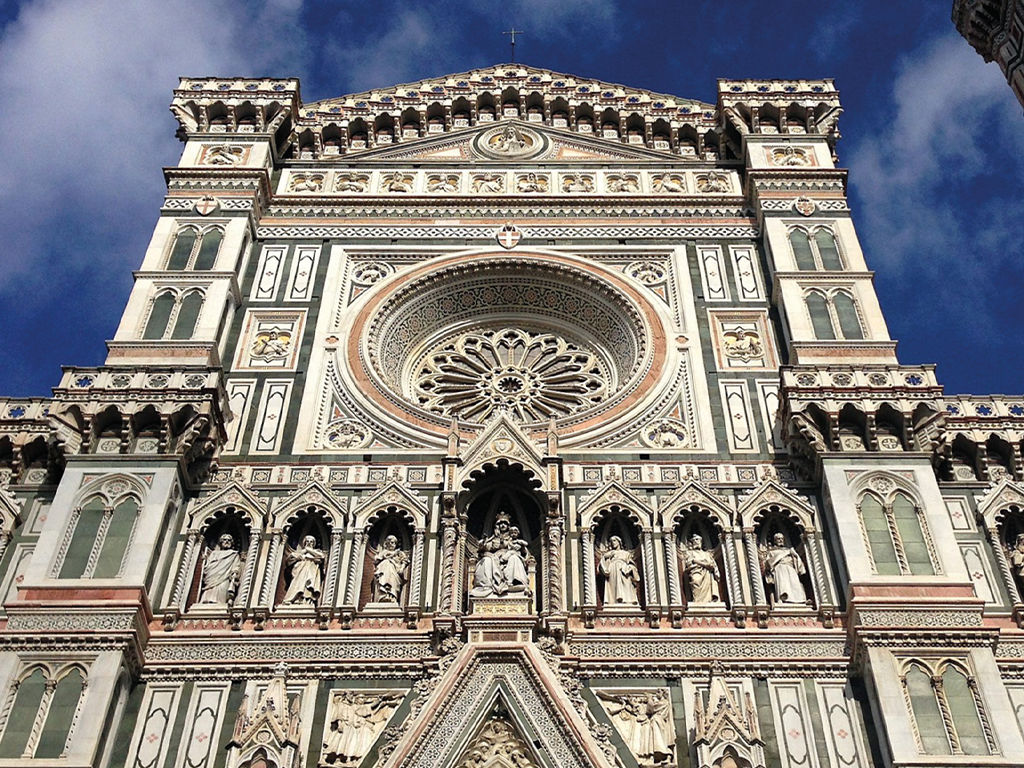
While large parts of Europe still lived in the Dark Middle Ages and huge cathedrals dominated the cities, a new consciousness blossomed in Florence, Italy at the beginning of the 15th century:
It was the period of the Renaissance.
Within few decades people’s self-image changed radically.
Art blossomed and the new scientific curiosity created a wealth of discoveries and inventions:
and the philosophy of humanism laid the foundation for our present-day self-perception.
It seemed as if humanity had awoken from a long sleep.
The Renaissance changed the world for good and marked the beginning of the modern era.
But what were the causes of this unprecedented radical change?
Article no.: 4678995
Targetgroups: Sek I,Sek II
Length: 20:42 min
Languages:
- <> Languages : DE, EN
- <> Target Groups : Sek I, Sek II
- <> Subject : Artistry
- <> Length : 20:42 min
- View in learning platform
Licenses
Curriculum-centred and oriented towards educational standards
Matching
Peer Mediation
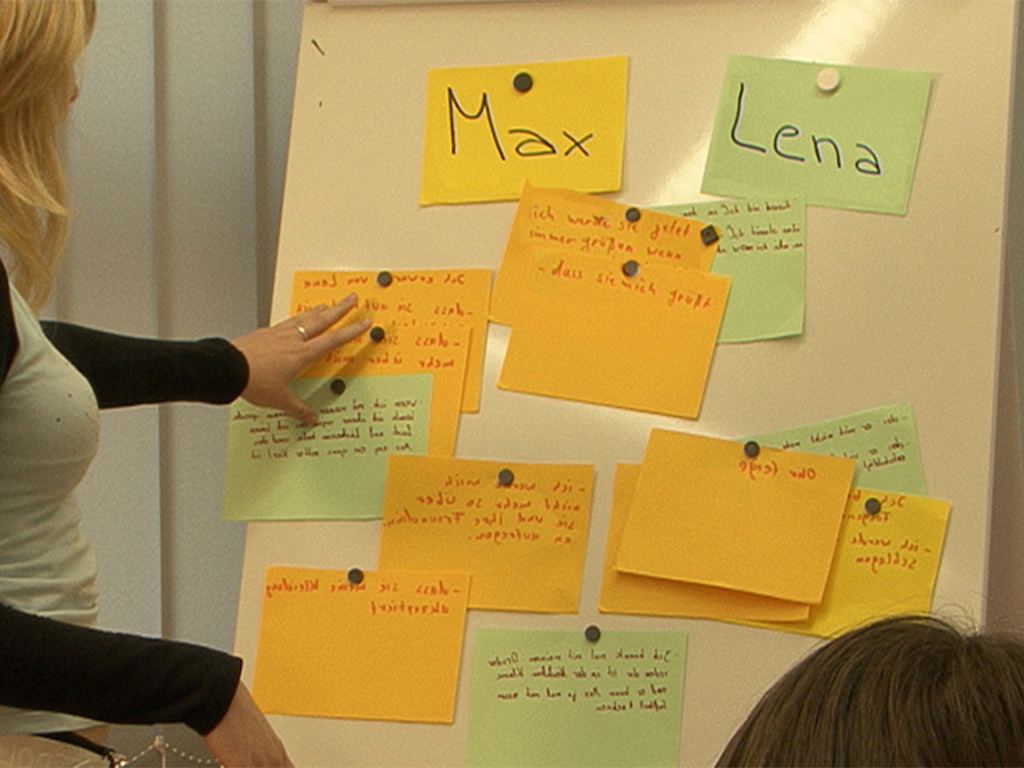
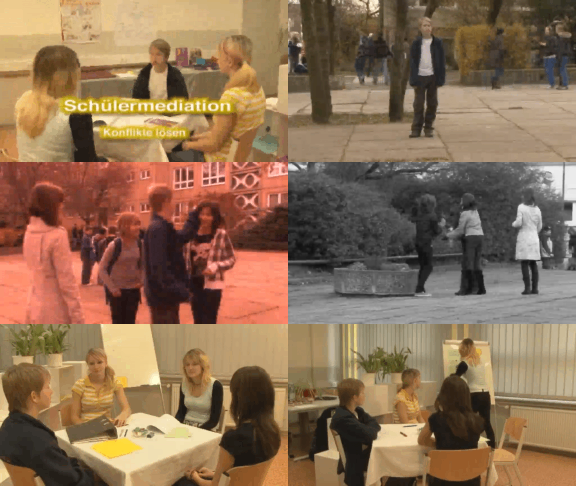
Lena and Max attend the 7th form. Max is new in class. During a break, Max notices that Lena and her friend are laughing at him again. Max loses his temper! He slaps Lena in the face. That hurts and Lena runs back into the classroom with a red cheek. The growing conflict between the two has escalated. Just like Lena and Max, every day pupils all over Germany have rows with each other. At the Heinrich Hertz Gymnasium in Thuringia, pupils have been trained as mediators for years. At set hours, they are in a room made available by the school specifically for mediation purposes. The film describes the growing conflict between Max and Lena and shows a mediation using their example. In doing so, the terms “conflict” and “peer mediation” are explained in a non-technical way. The aims of peer mediation and its progress in five steps as well as the mediators’ tasks are illustrated. The art of asking questions and “mirroring”, which the mediators must know, is described and explained. Together with the comprehensive accompanying material, the DVD is a suitable medium to introduce peer mediation at your school, too.
Big Data
Original soundtrack young woman:
Product Piracy
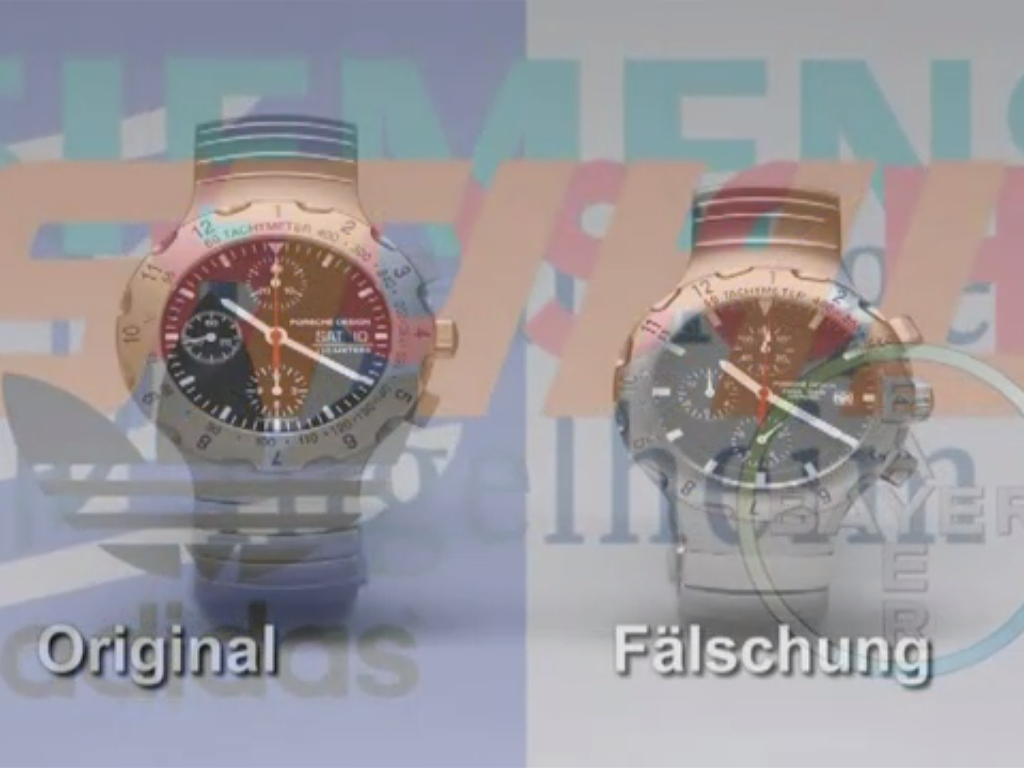
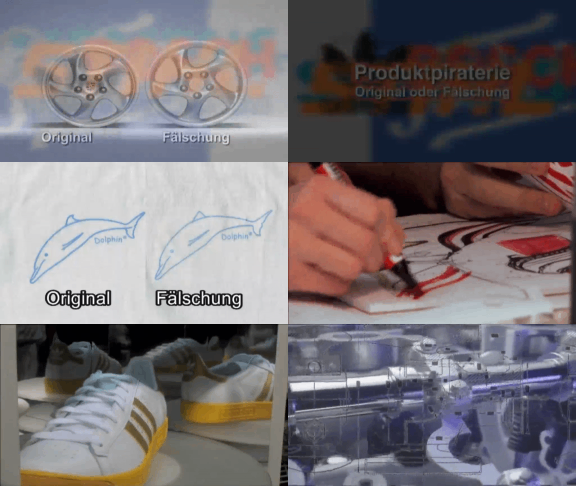
Counterfeiting takes place in almost all economic sectors – textiles, watches, car parts, machine parts, tools, accessories, software and medicines. Some counterfeits are easy to recognise, others are so well-executed that even experts have difficulty distinguishing between original and imitation. This DVD covers the development of a product from idea to manufacture. Once a product has become a trademark, product pirates appear on the scene.