







 Biology

4675542 / 5563690
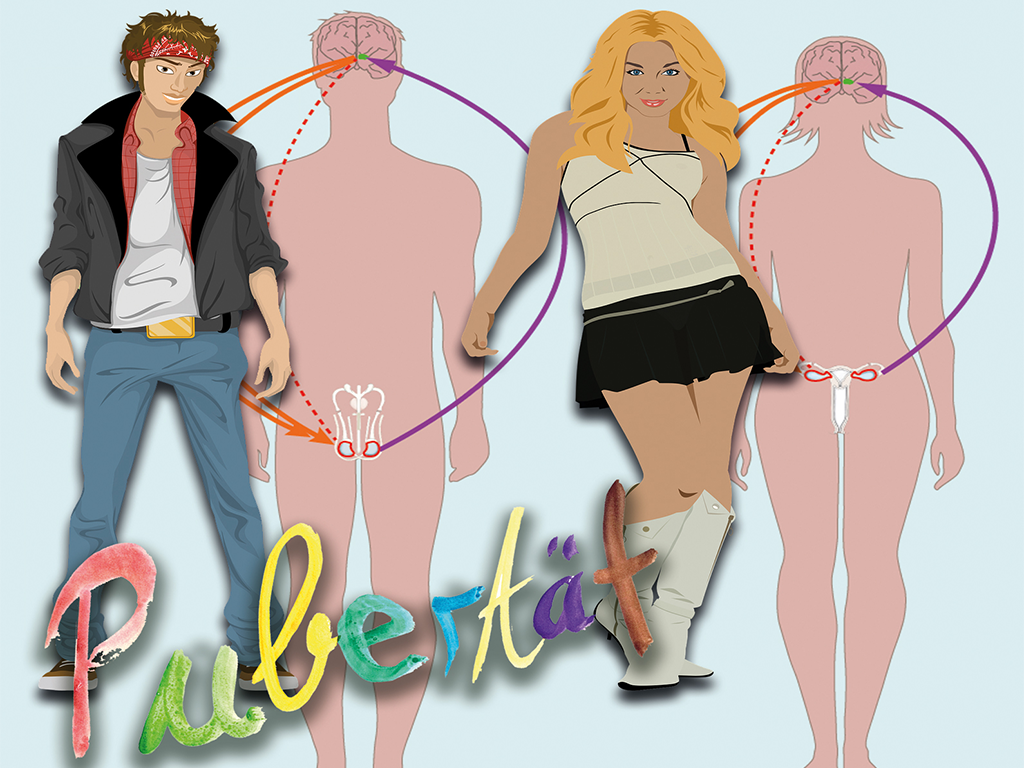
Pubertät
Erwachsen werden
Die Zeit zwischen Mädchen und Frau, zwischen Junge und Mann ist aufregend und extrem. Mal geht es auf, dann wieder ab. Es ist eine Zeit der Gegensätze und Launen, Irrungen und Wirrungen. Man nennt sie: Pubertät. Biologisch zeichnet sich die Pubertät durch die Veränderung der primären und sekundären Geschlechtsmerkmale aus. Der Reifeprozess verläuft bei Mädchen und Jungen unterschiedlich. Wenn Kinder in die Pubertät kommen, entsteht im Gehirn eine neue Ordnung. Früher dachte man, dass das Gehirn im Alter von sechs Jahren ausgebildet sei. Heute weiß man, dass das Gehirn während der Pubertät noch einmal ganz neu umstrukturiert wird. Die Meinung der Erwachsenen wird plötzlich nur noch sehr ungern akzeptiert. Dafür suchen Jugendliche nun verstärkt Rückhalt bei Gleichaltrigen. Unser Unterrichtsfilm zeigt die Erfahrungen von Mädchen und Jungen sowie Eltern auf.
Der Unterrichtsfilm ist gemeinsam mit dem sehr umfangreichen Unterrichtsmaterial (klassische und interaktive Arbeitsblätter sowie Testaufgaben) bestens zum Einsatz im Schulunterricht geeignet.
Play trailer
- <> Languages: DE, EN, TR
- <> Target Groups: Sek I, Sek II
- <> Subject: Biology
- <> Length: 28:58 min
- View in learning platform
Licenses
Curriculum-centred and oriented towards educational standards
Matching

Geschlechteridentität
Teil des Erwachsenwerdens ist es, seine eigene Identität zu finden. Für manche wird diese Identitätsfindung erschwert, weil das körperliche Geschlecht nicht mit dem empfundenen Geschlecht übereinstimmt.

Gütesiegel
Gütesiegel wie das „Bio-Siegel“, „Blauer Engel“, „Stiftung Warentest“ und bis zu 1.000 weitere Siegel repräsentieren Eigenschaften wie Nachhaltigkeit, Gesundheit oder Sicherheit bezüglich eines Produkts, einer Dienstleistung oder auch eines Unternehmens.
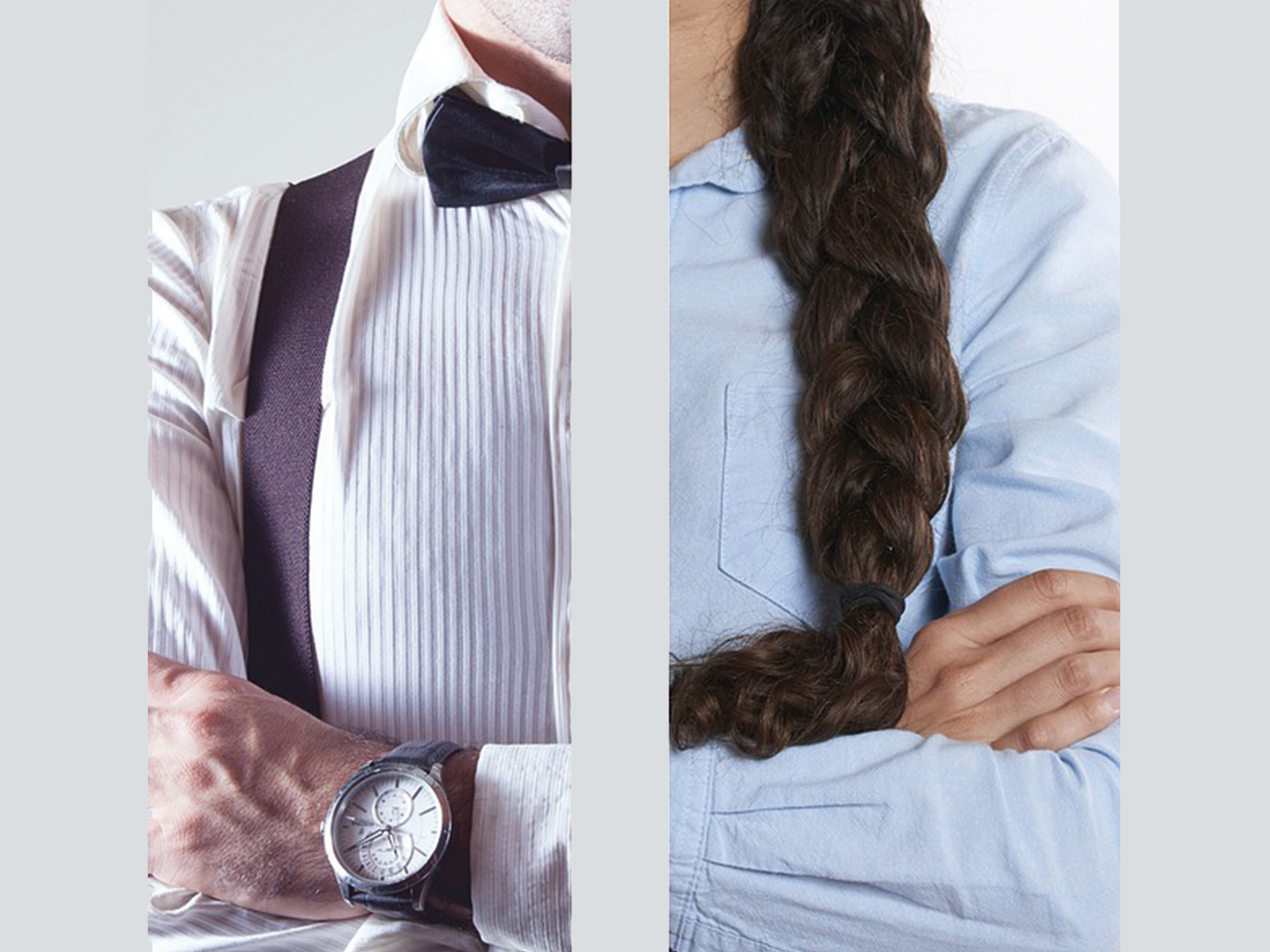
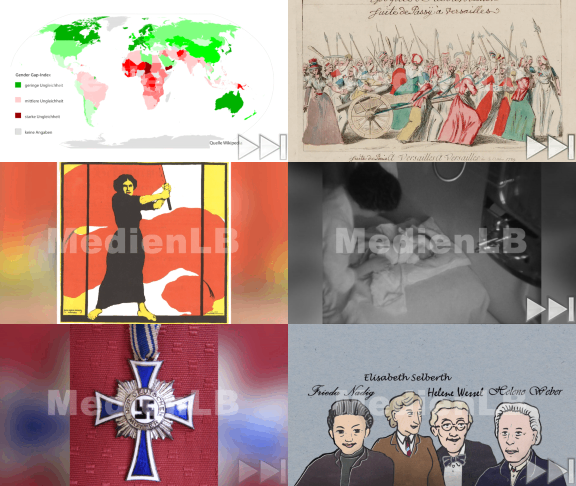
Gleichstellung der Geschlechter
„Männer und Frauen sind gleichberechtigt.“, so steht es im deutschen Grundgesetz in Artikel 3. Doch leben wir tatsächlich in einer geschlechtergerechten Gesellschaft? Wie hängen die Begriffe Gleichbehandlung, Gleichberechtigung und Gleichstellung zusammen? Wie kann die Gleichstellung der Geschlechter erreicht werden?