







 Primary School

4656512 / 5551520
Milk
Where does Milk Come from?
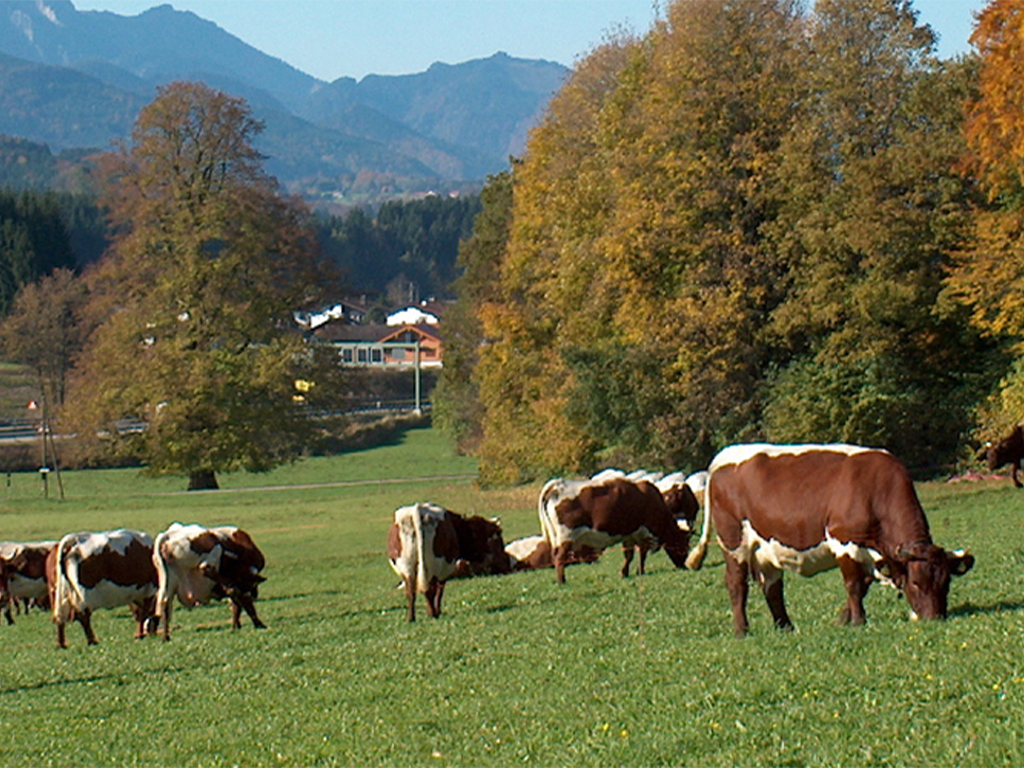
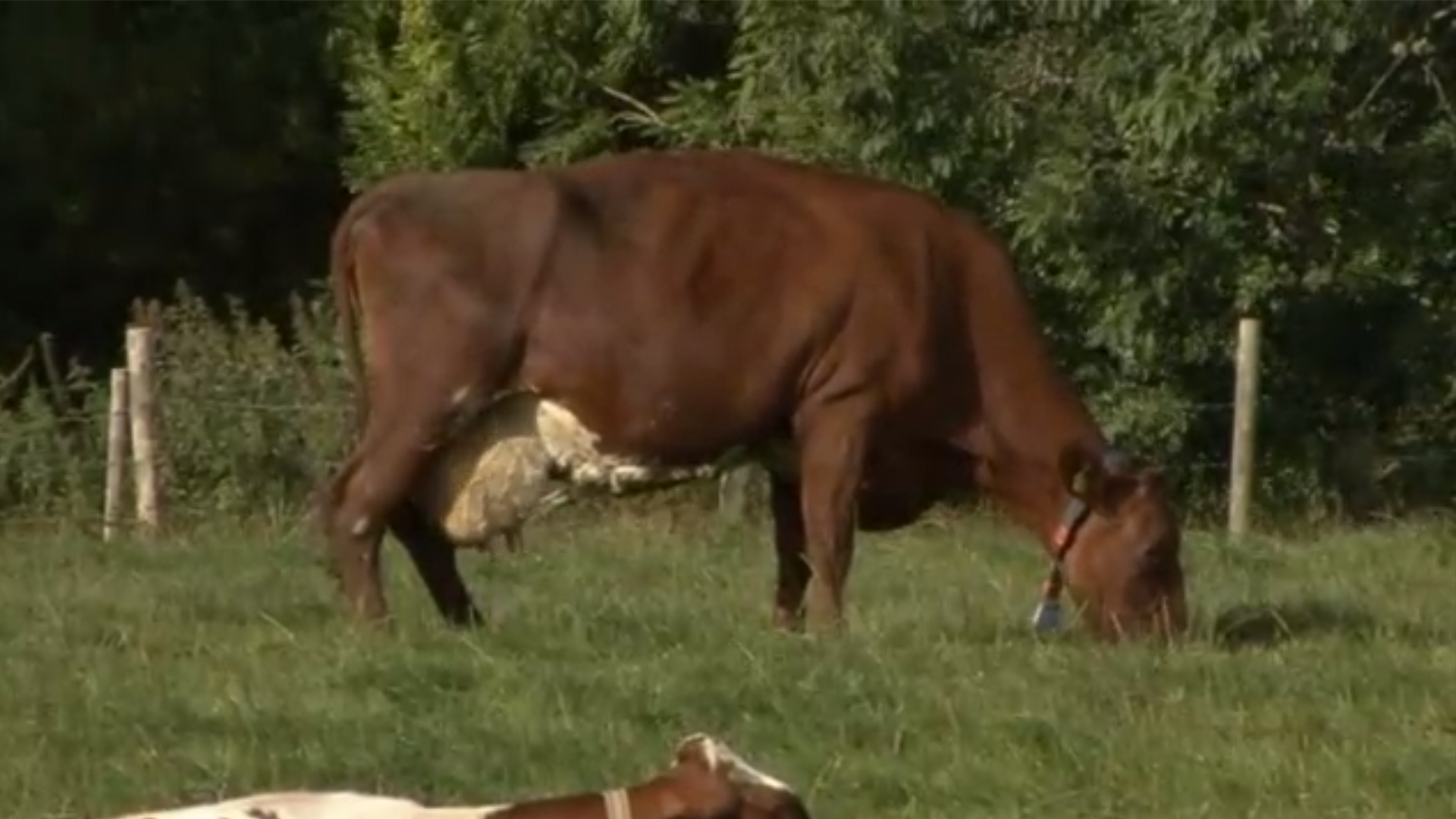
Milk is one of the oldest and, at the same time, most natural foods we know. This DVD provides comprehensive information on cow’s milk. Where does the milk come from, how are the cows best cared for, what do they eat? What breeds of cattle are there, how are the cows milked today compared to the past? What is the udder actually? What types of milk are there? What do pasteurised, ultra-heat treated, homogenised and sterilised mean? How does it get from the cow to the consumer? How is milk bottled and packed? What kinds of fresh dairy products are there? And how is butter and cheese made from milk? In the last chapter of the DVD, we take a look back into the past and show the history of milk production.
Play trailer
- <> Languages : DE, EN, TR
- <> Target Groups : FÖ, GRU, Sek I
- <> Subject : Primary School
- <> Length : 20:00 min
- View in learning platform
Licenses
Curriculum-centred and oriented towards educational standards
Matching
Youth Movement
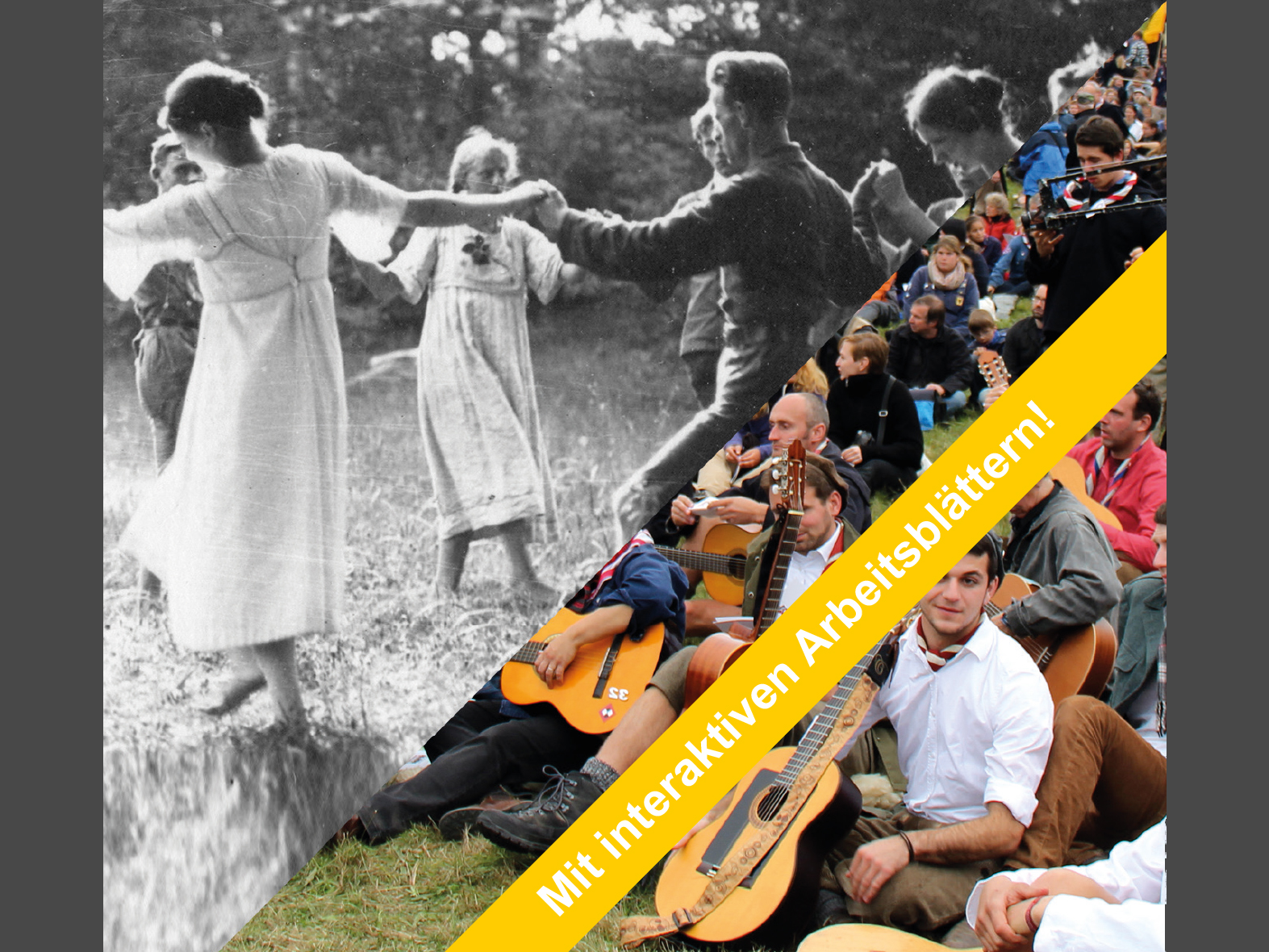
Dancing until your feet hurt: Here, at the meeting on the Hoher Meissner near Kassel, 3,500 participants from Boy Scout associations, youth and Wandervogel groups from all over the German-speaking region have gathered. They want to celebrate, simply get to know each other and commemorate a historic anniversary.
Product Piracy
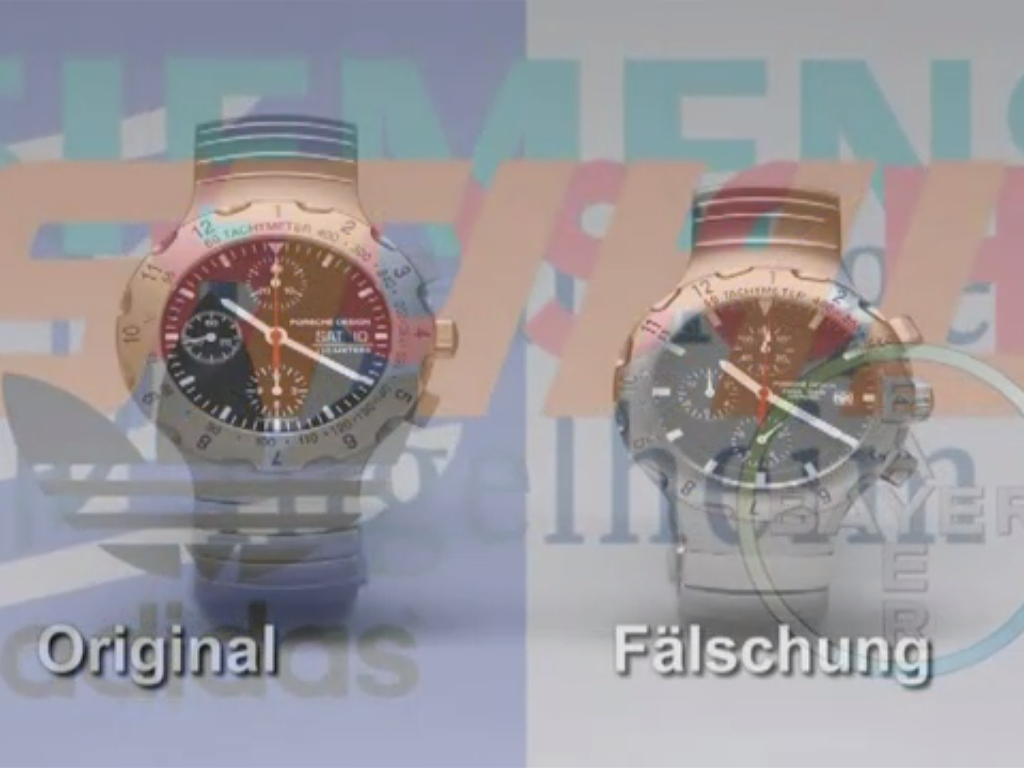
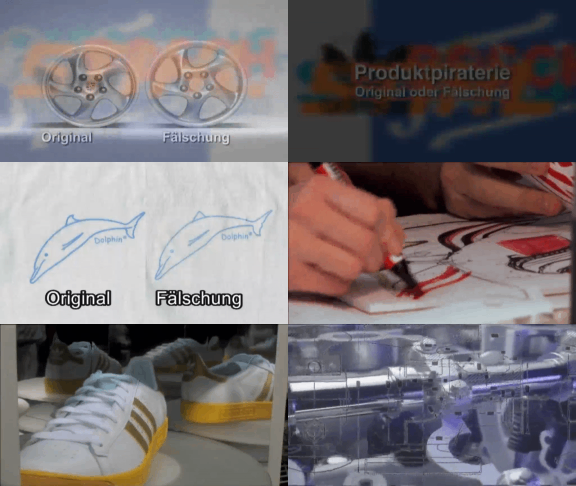
Counterfeiting takes place in almost all economic sectors – textiles, watches, car parts, machine parts, tools, accessories, software and medicines. Some counterfeits are easy to recognise, others are so well-executed that even experts have difficulty distinguishing between original and imitation. This DVD covers the development of a product from idea to manufacture. Once a product has become a trademark, product pirates appear on the scene.

Blogging
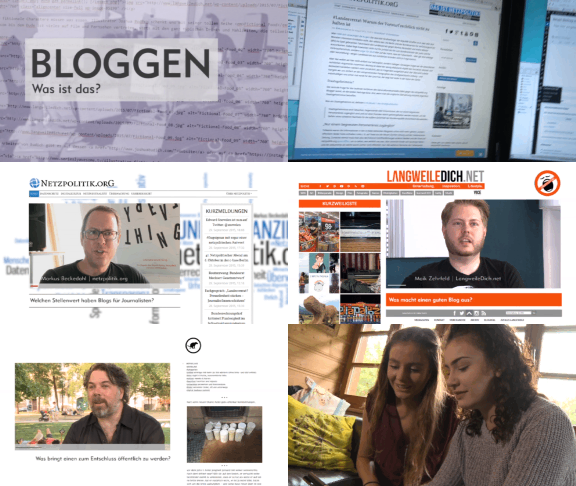
The weblog or blog, for short, as a medium is not much older than this century. Blogs came into being in the World Wide Web as ’messages from below’, as web pages from web creators who wanted to share their view of the world with the world. They are short notes, long texts, pictures, videos, which are posted loosely and at random intervals to the world for an undefined public.