







 Geography

4657329 / 5551521
Man and Climate
Climate Change
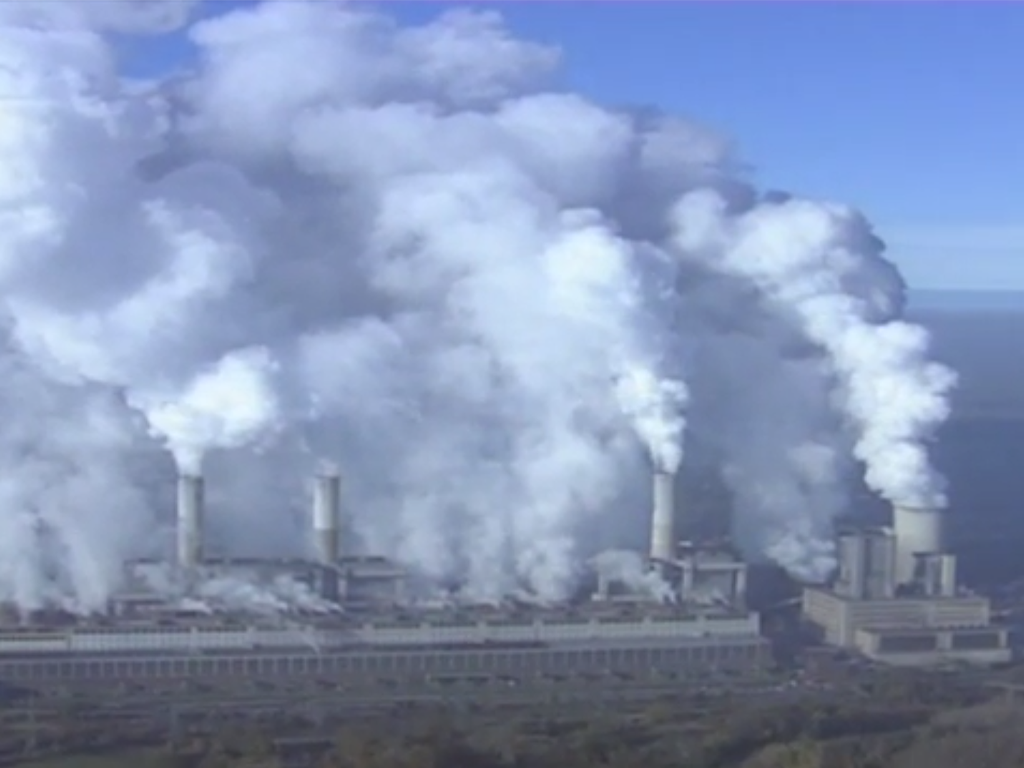
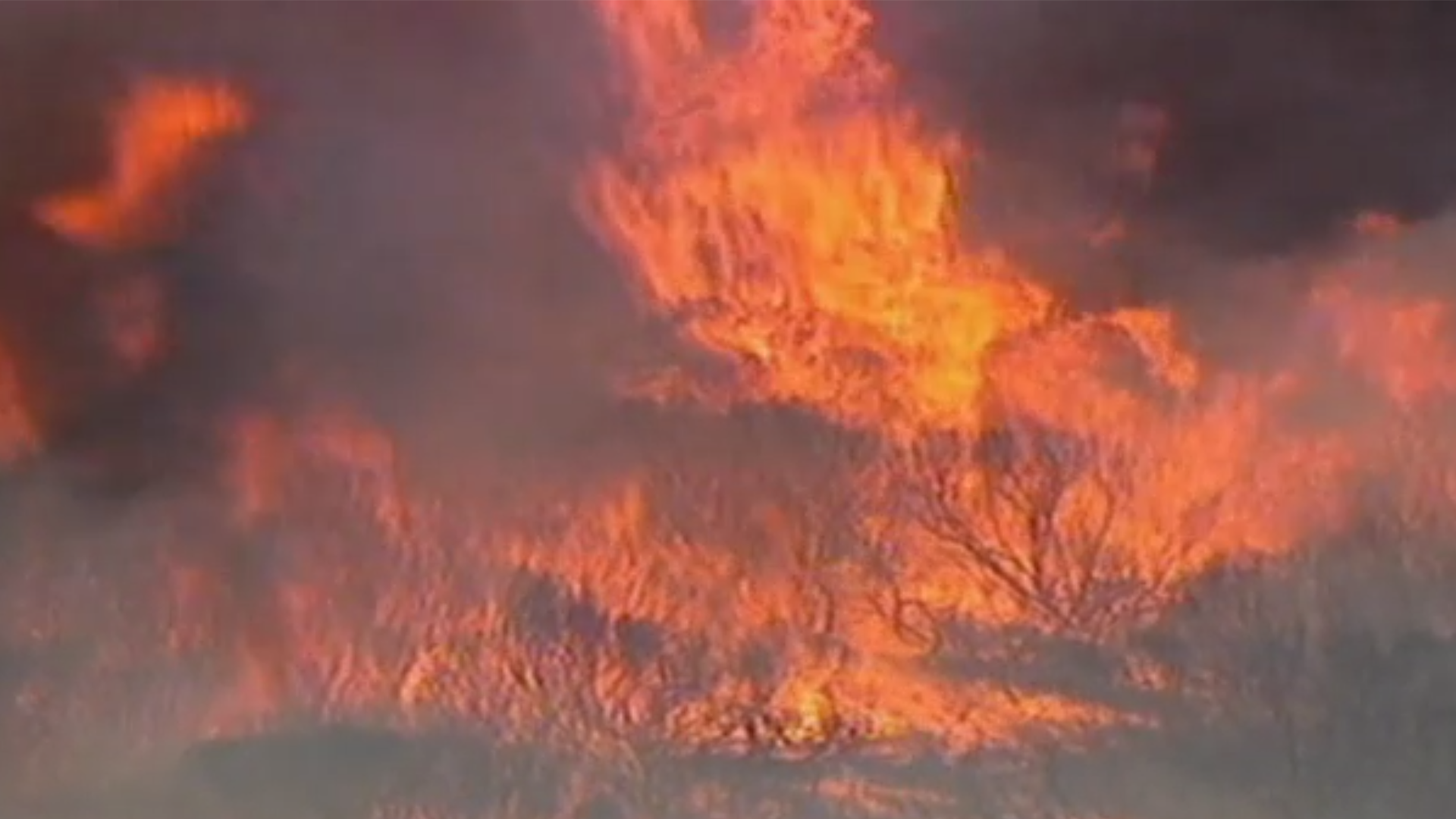
The first chapter of this DVD deals with the population development over the past 3000 years and the associated dramatic effects on nature. The massive deforestation and the fast-increasing water consumption are analysed as two examples for the consumption of our resources. The dependency of the regeneration of our water supplies on climatic conditions clearly illustrates the close link between humans and the climate. But what exactly is the climate and how is it determined? This question is discussed in detail in the second chapter. A look back into the past helps us in addressing current questions. The warm High Middle Ages and the following Little Ice Age as well as plant remains, e.g. the annual rings of trees, or animal finds such as dinosaur skeletons allow us to draw conclusions regarding climatic conditions. Will we meet the same fate as the dinosaurs? In the fourth chapter, we visit the climate data processing centre at the MPI. Significant climate changes are predicted in model calculations for the next 100 years. This leads to further important questions: Do we need to act? If yes, when and on what scale? Especially with this last chapter, the pupils are encouraged to recognise their own responsibility in order to shape the future of all of us.
Play trailer
- <> Languages : DE, EN, FR, TR
- <> Target Groups : Sek II
- <> Subject : Geography
- <> Length : 31:25 min
- View in learning platform
Licenses
Curriculum-centred and oriented towards educational standards
Matching
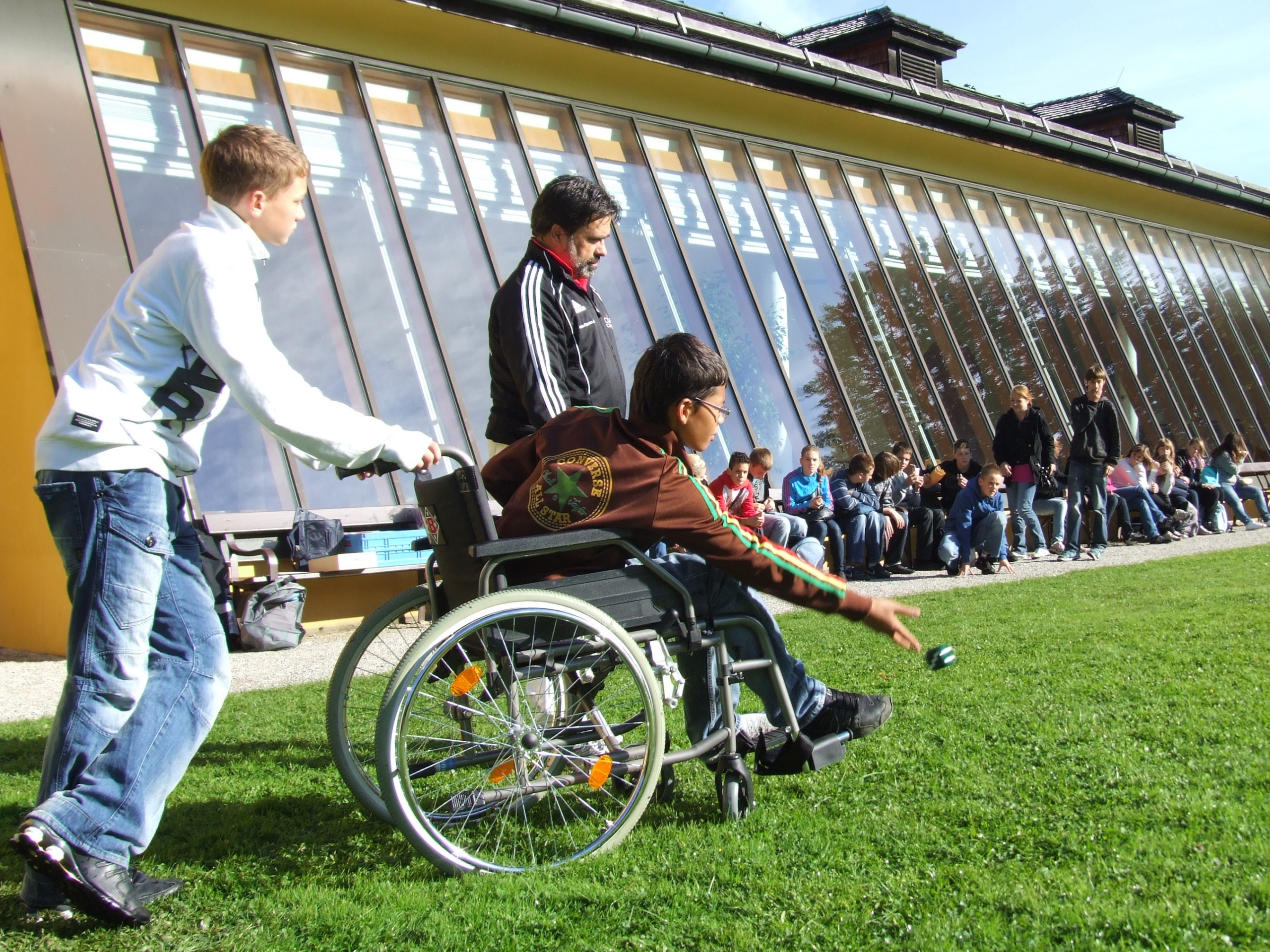
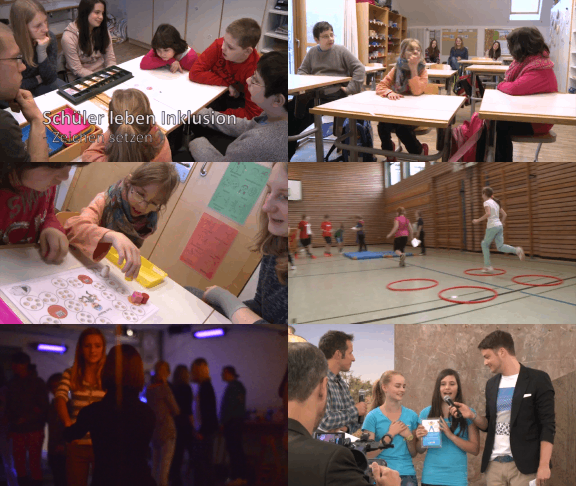
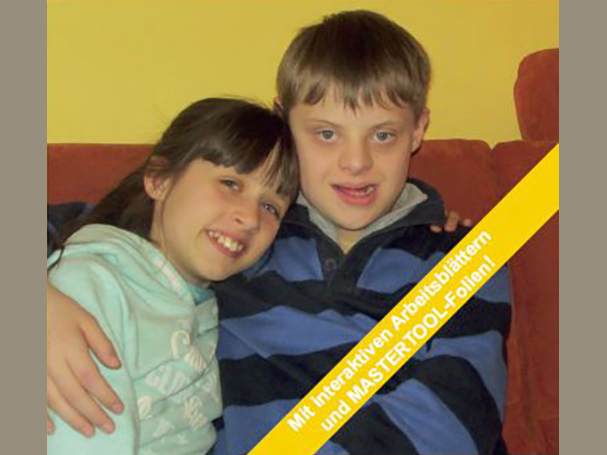
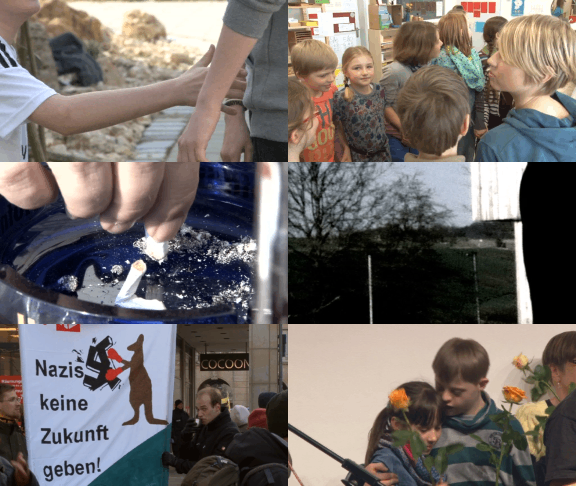
Pupils Practise Inclusion
When people come together, no matter under what concomitant circumstances – ultimately, it is about how these people meet and how openly they interact with one another.


Blogging
The weblog or blog, for short, as a medium is not much older than this century. Blogs came into being in the World Wide Web as ’messages from below’, as web pages from web creators who wanted to share their view of the world with the world. They are short notes, long texts, pictures, videos, which are posted loosely and at random intervals to the world for an undefined public.
Tolerance
“Tolerance means being generous and kind to other people and helping them, too.”