







 German

4675558 / 5563706
Literatur der Klassik
Goethe und Schiller in Weimar
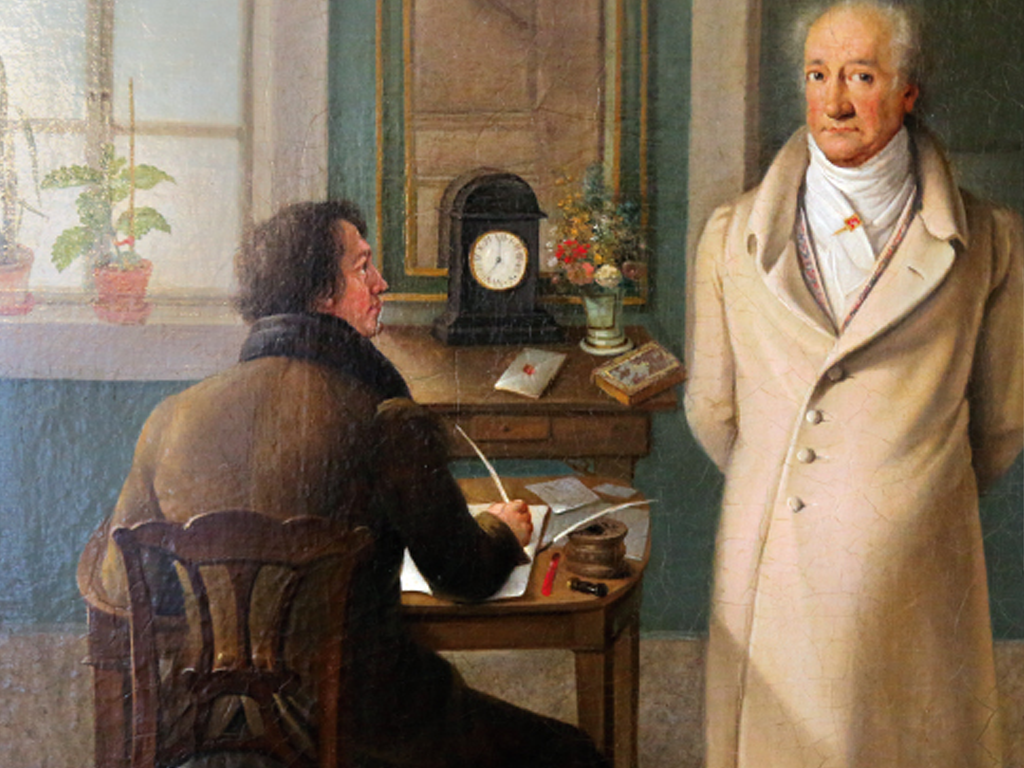
Johann Wolfgang von Goethe und Friedrich Schiller sind die wichtigsten Vertreter der klassischen Literaturepoche, die zwischen 1786 und 1805 in Weimar ihre Blütezeit hatte. Herausragend war dabei die Freundschaft zwischen Goethe und Schiller, die sich nach anfänglicher Rivalität zu einem äußerst kreativen „Miteinander“ entwickelte. Nicht zuletzt ist dies durch ihren jahrelangen Briefwechsel bestens dokumentiert. Wir untersuchen die Jugend und Entwicklung von Goethe, seine ersten Werken. Ebenso wird Schiller im Vergleich dargestellt und Gemeinsamkeiten aufgezeigt. Wir beleuchten ihre historischen und philosophischen Voraussetzungen. Der Schwerpunkt liegt auf ihrer Zeit in Weimar, wobei ein besonderes Augenmerk auf ihr kreatives Miteinander und den Austausch von ca. 1.000 Briefen gelegt wird. Ein abschließendes intensives Kapitel ist dem Klassiker „Faust“ gewidmet.
Der Unterrichtsfilm ist gemeinsam mit dem sehr umfangreichen Unterrichtsmaterial (klassische und interaktive Arbeitsblätter sowie Testaufgaben) bestens zum Einsatz im Schulunterricht geeignet.
Play trailer
- <> Languages: DE, EN, TR
- <> Target Groups: Sek I, Sek II
- <> Subject: German
- <> Length: 26:27 min
- View in learning platform
Licenses
Curriculum-centred and oriented towards educational standards
Matching
Peer Mediation
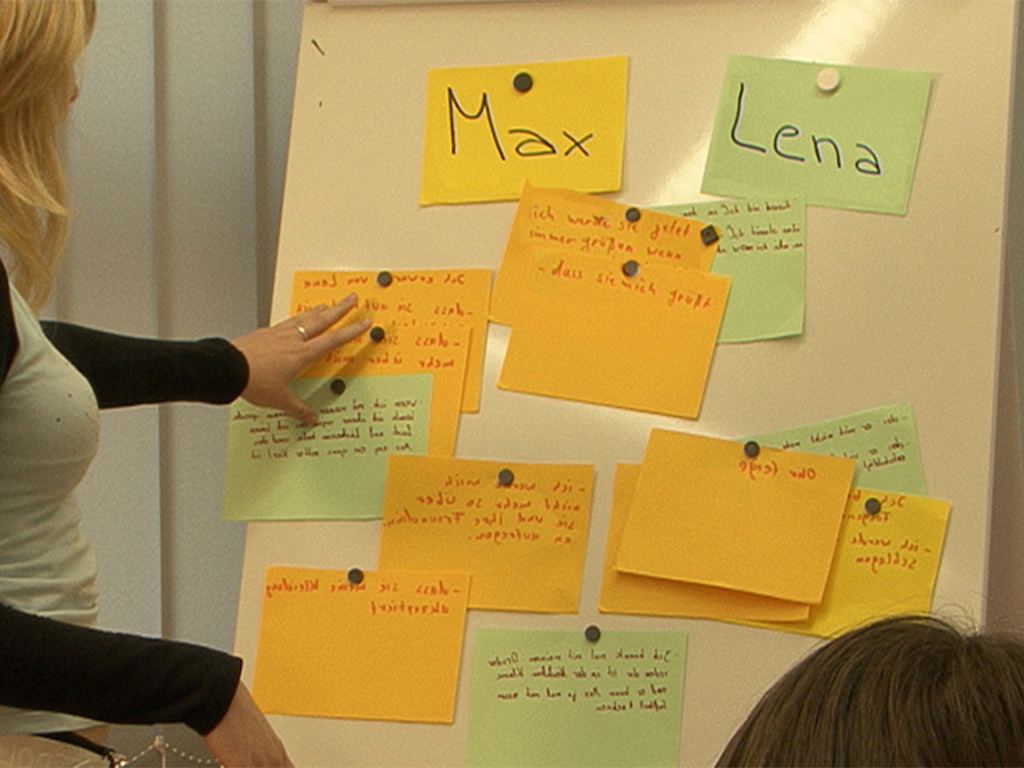
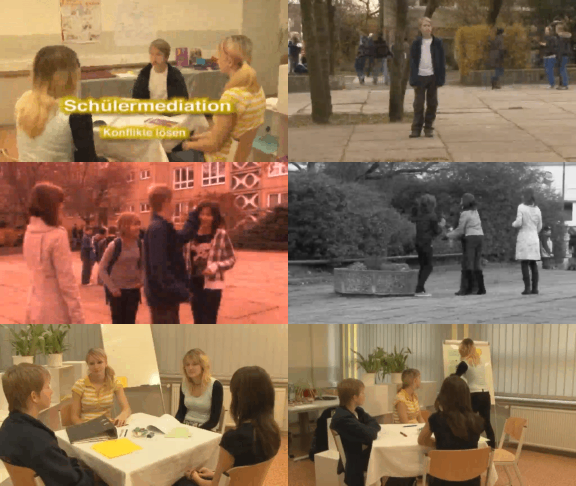
Lena and Max attend the 7th form. Max is new in class. During a break, Max notices that Lena and her friend are laughing at him again. Max loses his temper! He slaps Lena in the face. That hurts and Lena runs back into the classroom with a red cheek. The growing conflict between the two has escalated. Just like Lena and Max, every day pupils all over Germany have rows with each other. At the Heinrich Hertz Gymnasium in Thuringia, pupils have been trained as mediators for years. At set hours, they are in a room made available by the school specifically for mediation purposes. The film describes the growing conflict between Max and Lena and shows a mediation using their example. In doing so, the terms “conflict” and “peer mediation” are explained in a non-technical way. The aims of peer mediation and its progress in five steps as well as the mediators’ tasks are illustrated. The art of asking questions and “mirroring”, which the mediators must know, is described and explained. Together with the comprehensive accompanying material, the DVD is a suitable medium to introduce peer mediation at your school, too.
Seal of approval
Quality seals such as the "Bio-Siegel", "Blauer Engel", "Stiftung Warentest" and up to 1,000 other seals represent characteristics such as sustainability, health or safety with regard to a product, a service or even a company.

Rights and Obligations
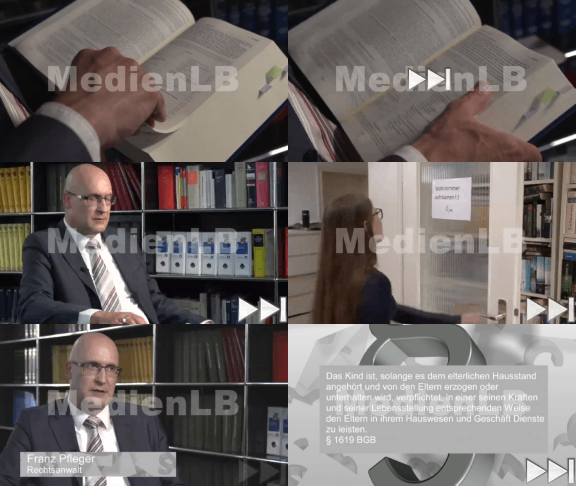
Three girls of different ages: Anna is 17, Paula 15 and Lena 13. Before the law, their respective ages have consequences – because children and adolescents have different rights and also obligations.