







 Ecological
4669863 / 5560484
Hybrid Drives
Technology of the Future
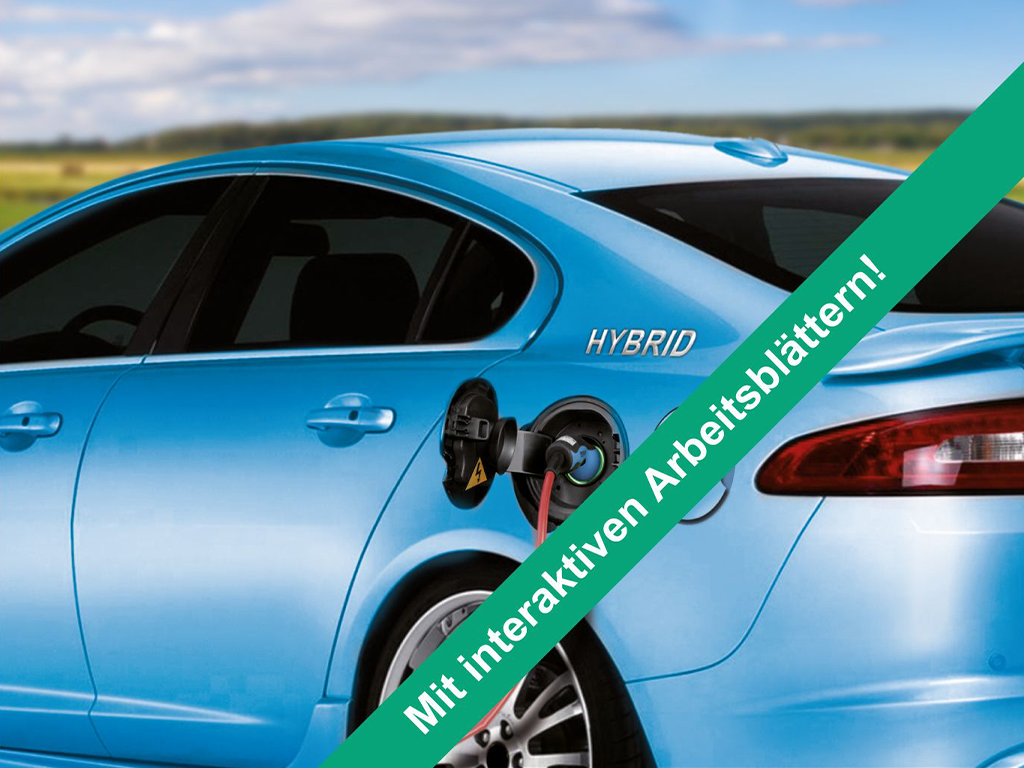
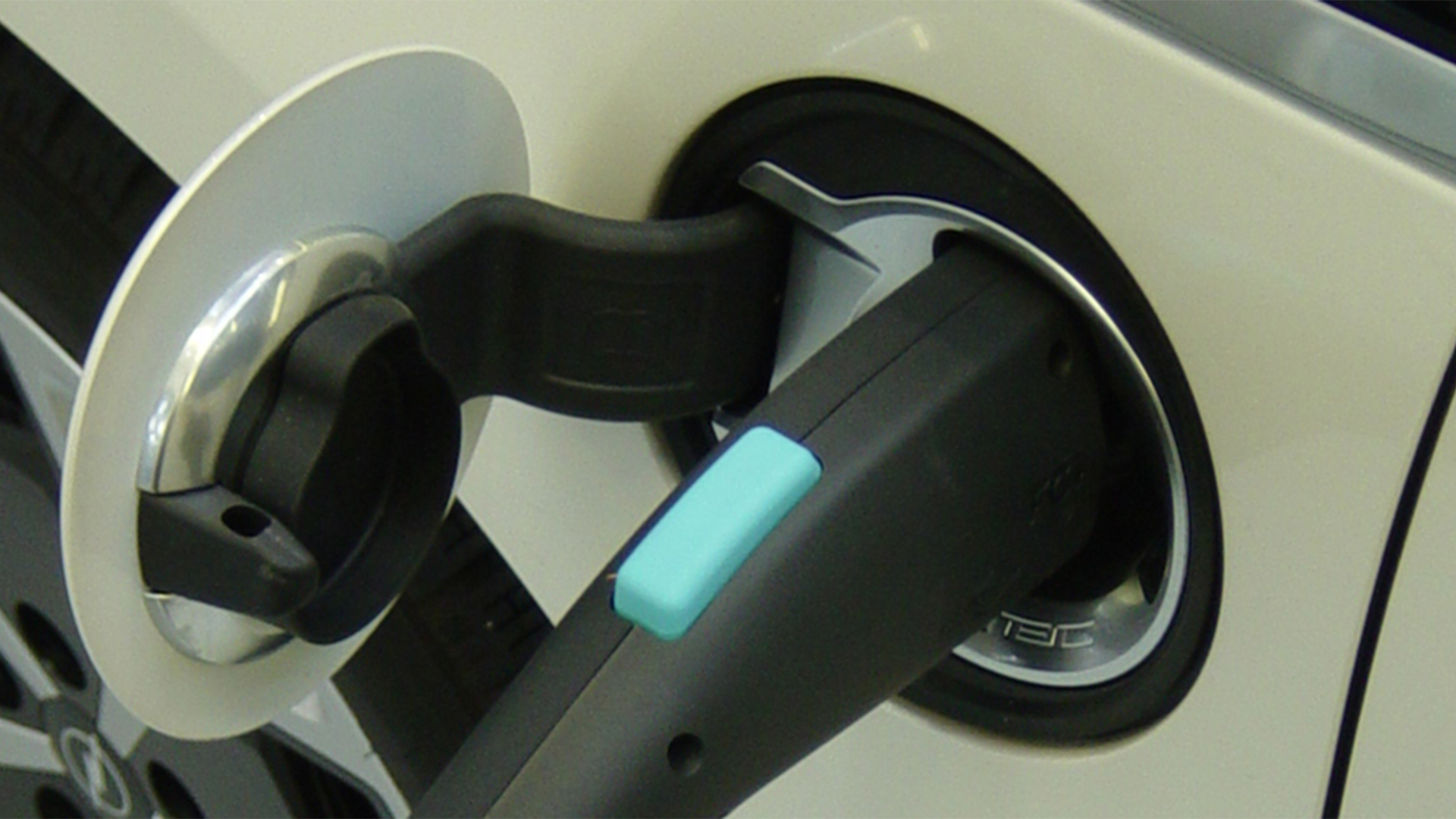
When Lena goes through the city centre by car, she has to be particularly careful, because her car is almost inaudible and therefore pedestrians often hear it just in the nick of time. For in the city centre, her car is powered by electricity. The power is provided by a strong battery in the boot.
But as soon as the destination is located far away, Lena switches to petrol operation. Then the car is powered by a normal combustion engine. The fuel comes from the tank – just like with all other cars. Depending upon when and where the car travels, it uses different engines and different types of energy in doing so. That is why the car is also called a hybrid vehicle. Hybrid means something like “mixed”.
This may also refer to an e-bike, which Lena has in her garage as well. It combines electric energy from the battery with energy from muscle power.
Curriculum-centred and oriented towards educational standards
Matching
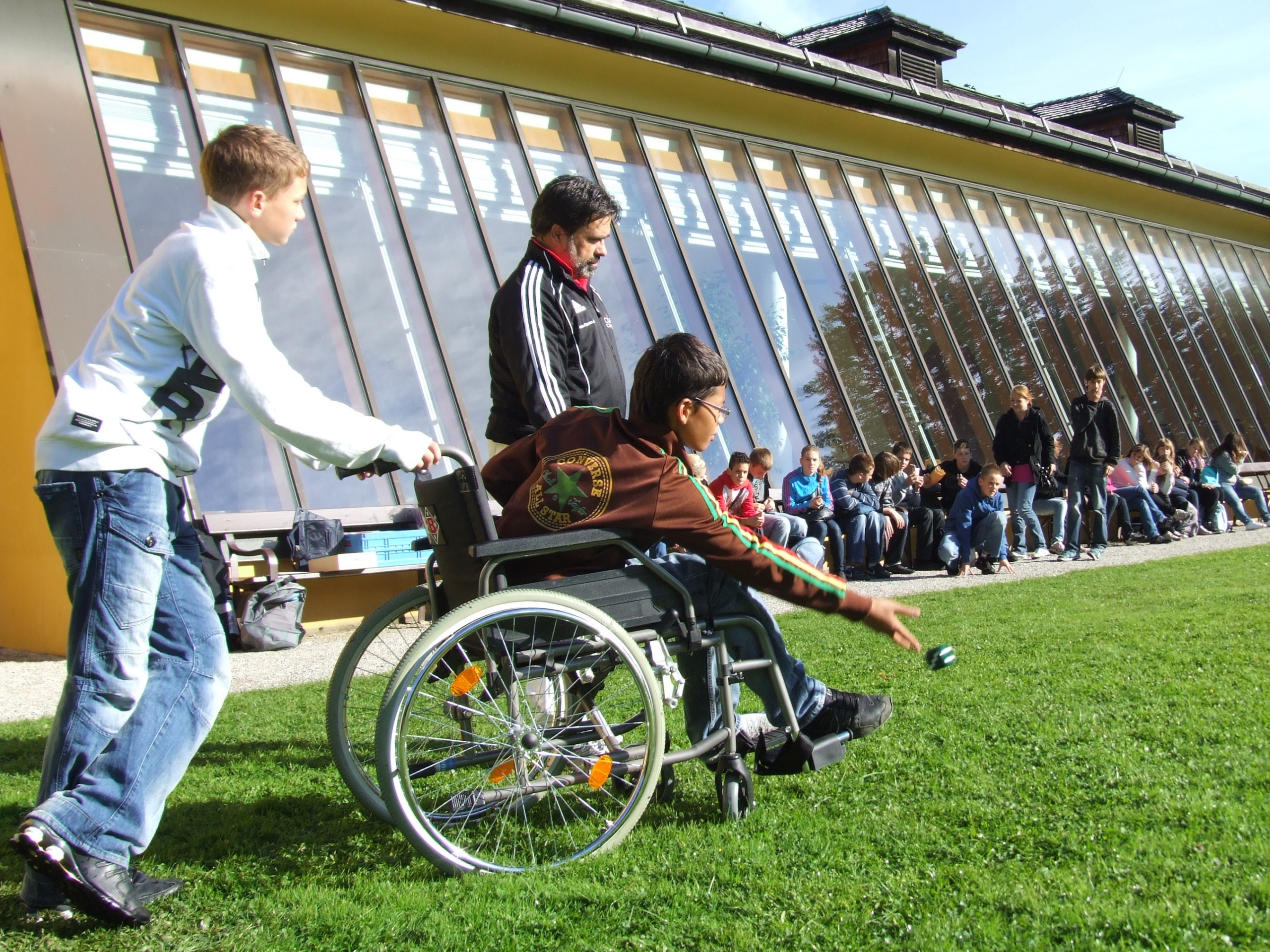
Tolerance
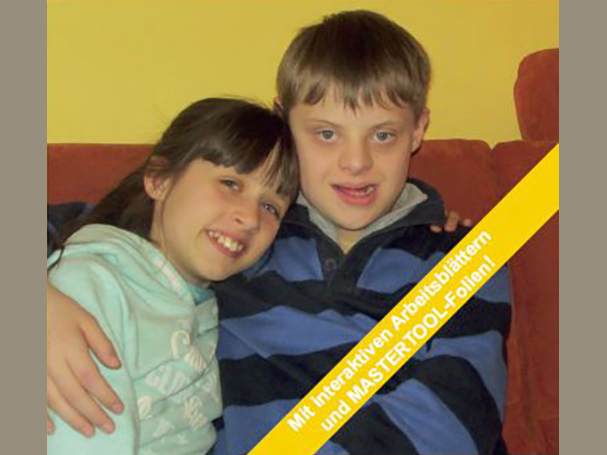
“Tolerance means being generous and kind to other people and helping them, too.”

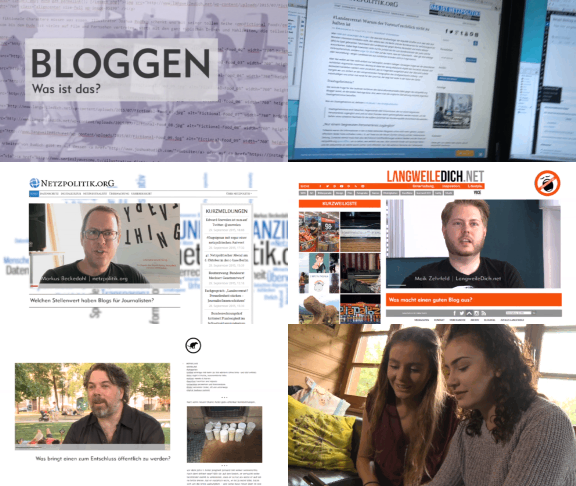
Blogging
The weblog or blog, for short, as a medium is not much older than this century. Blogs came into being in the World Wide Web as ’messages from below’, as web pages from web creators who wanted to share their view of the world with the world. They are short notes, long texts, pictures, videos, which are posted loosely and at random intervals to the world for an undefined public.
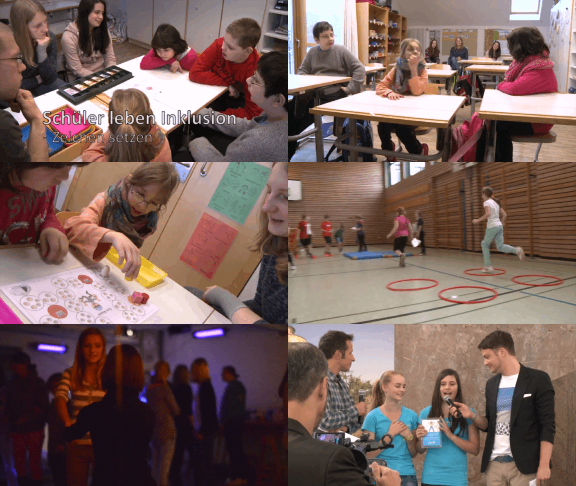
Pupils Practise Inclusion
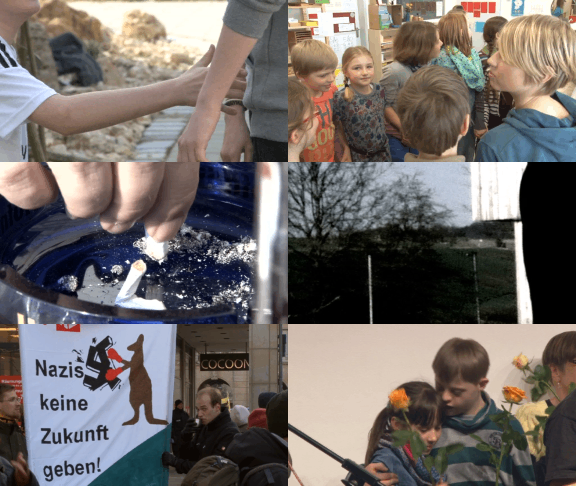
When people come together, no matter under what concomitant circumstances – ultimately, it is about how these people meet and how openly they interact with one another.