







55502510
Fossilien
In 10 interaktiven Aufgaben und interaktiven Videos wird Wissen zu Fossilien vermittelt und anschließend abgefragt.
Das Medium bietet H5P-Aufgaben an, die ohne zusätzliche Software verwendbar sind.
Durch interaktive Aufgabentypen wird das audiovisuelle und interaktive Lernen einfach.
Lernen macht jetzt Spaß!
Included Tasks
- I Wie entstehen Fossilien? - Interaktives Video
- II Wo findet man Fossilien? - Interaktives Video
- III Fossilien sammeln - Interaktives Video
- IV Fachbegriffe identifizieren - Interaktive Aufgabe
- V Begriffe finden - Interaktive Aufgabe
- VI Finde die Ammoniten-Fossile - Interaktive Aufgabe
- VII Fossil vs Nachbildung - Interaktive Aufgabe
- VIII Wie viel weißt du über Fossilien? - Interaktive Aufgabe
- IX Was kann ein Fossil werden? - Interaktive Aufgabe
- X Fossilien ausgraben - Interaktive Aufgabe
Curriculum-centred and oriented towards educational standards
Matching
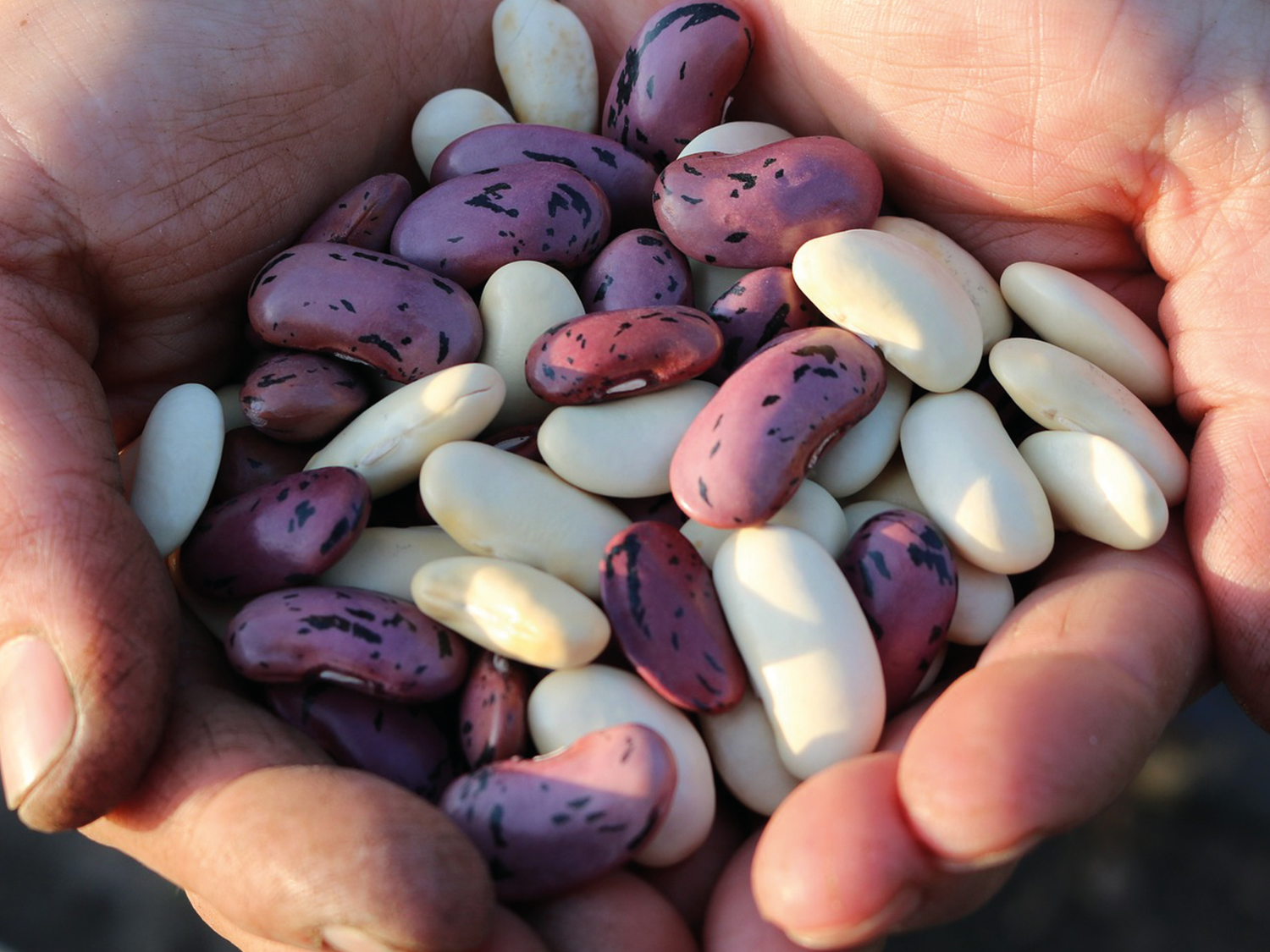
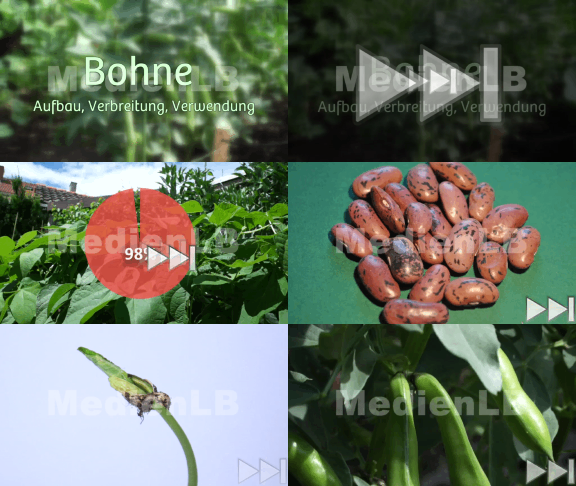
Bean
The word bean refers to both the seeds and the pods surrounding them and often even the whole bean plant. It is not easy to get an overview of the different types of bean plants. Their variety is due to, among other things, their different origins.
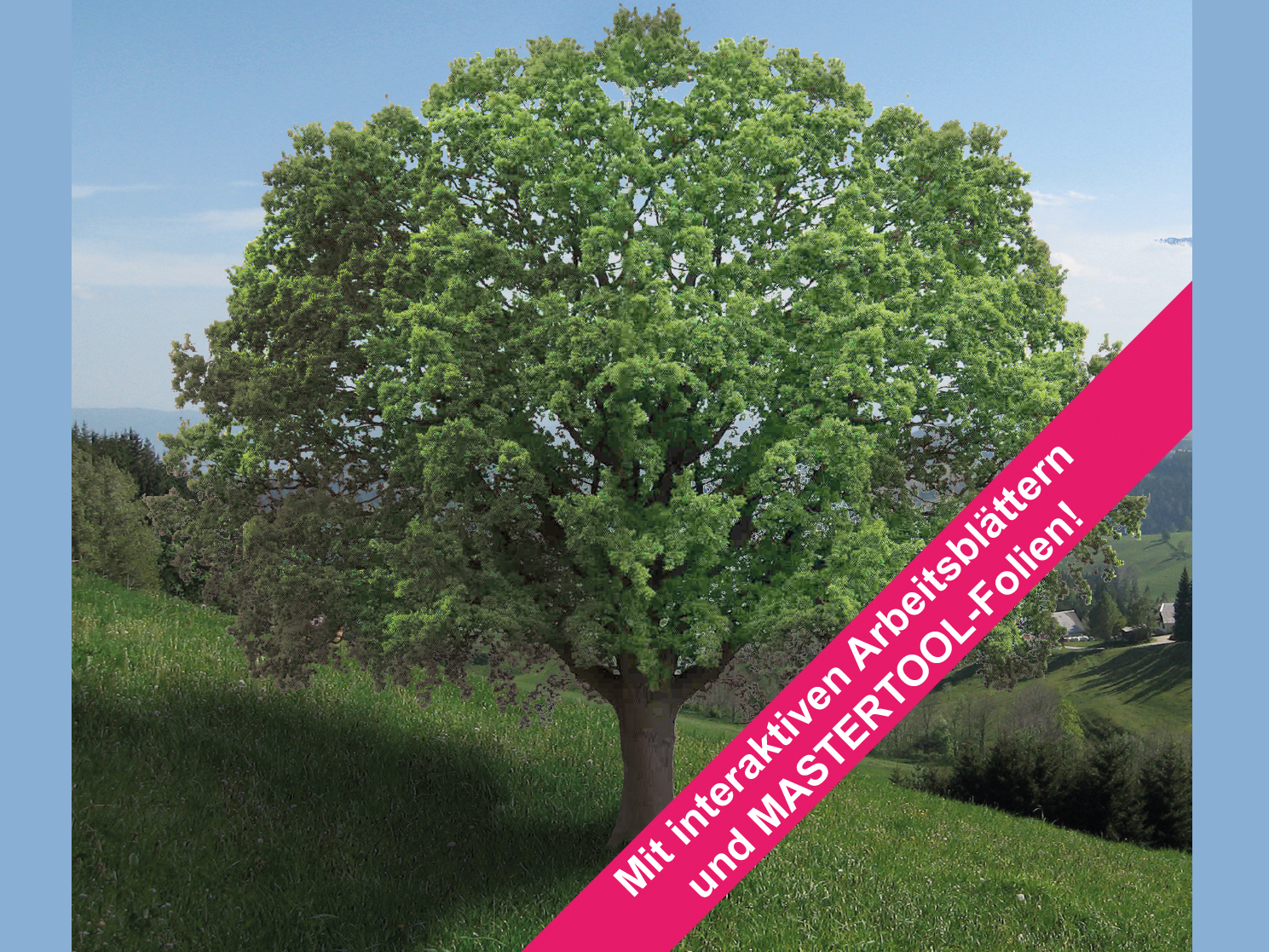
Structure of the Forest
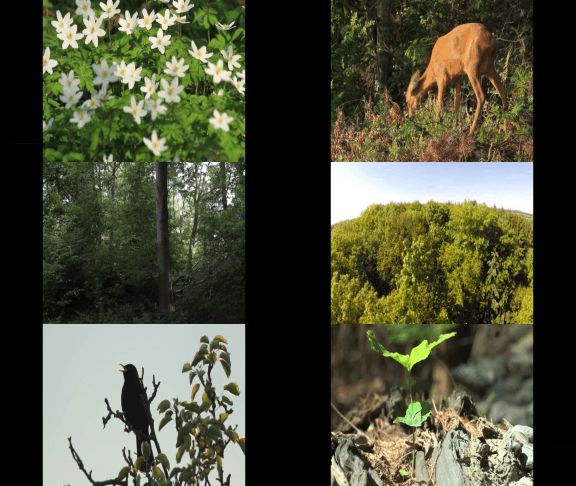
Forests are more than an accumulation of trees. The individual tree is more than a valuable source of wood. From its roots to its crown, it offers habitats to a variety of the most different creatures. The older a tree, the more valuable it becomes to many forest inhabitants. And even in death it is still full of life. If you take a closer look at a forest, you notice that the plants grow to different heights. They form storeys like those of a house. At the top level there are only the big trees. From a bird’s perspective we see that the highest specimens in the forest form a closed canopy. In summer, the treetops resemble big parasols shading the forest floor. Depending upon how much sunlight filters into the depths, this has consequences for the forest vegetation.
Animals in the Forest
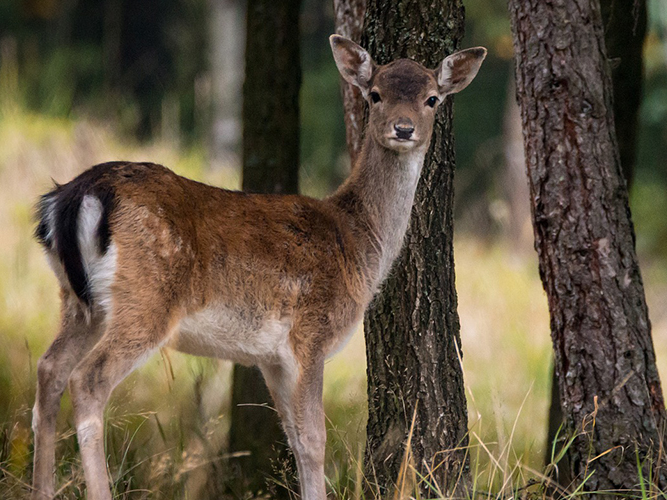
The forest is home to many animals.