







 Physics
46500920 / 55500676
Fluids and Viscosity
Liquids and their Properties
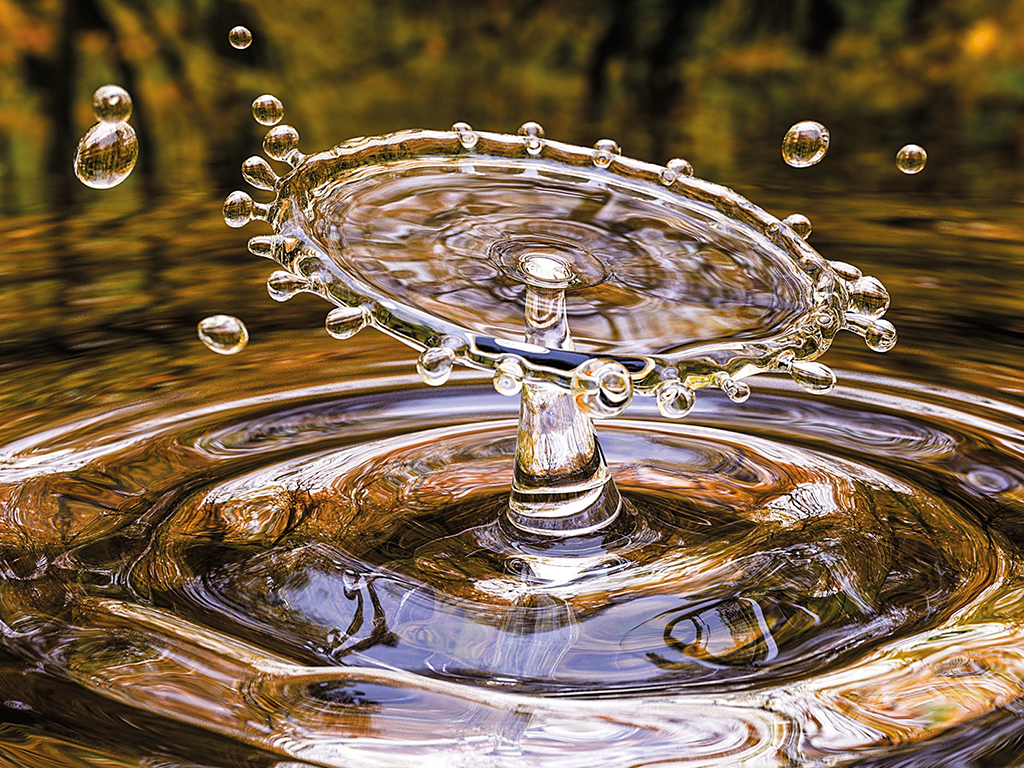
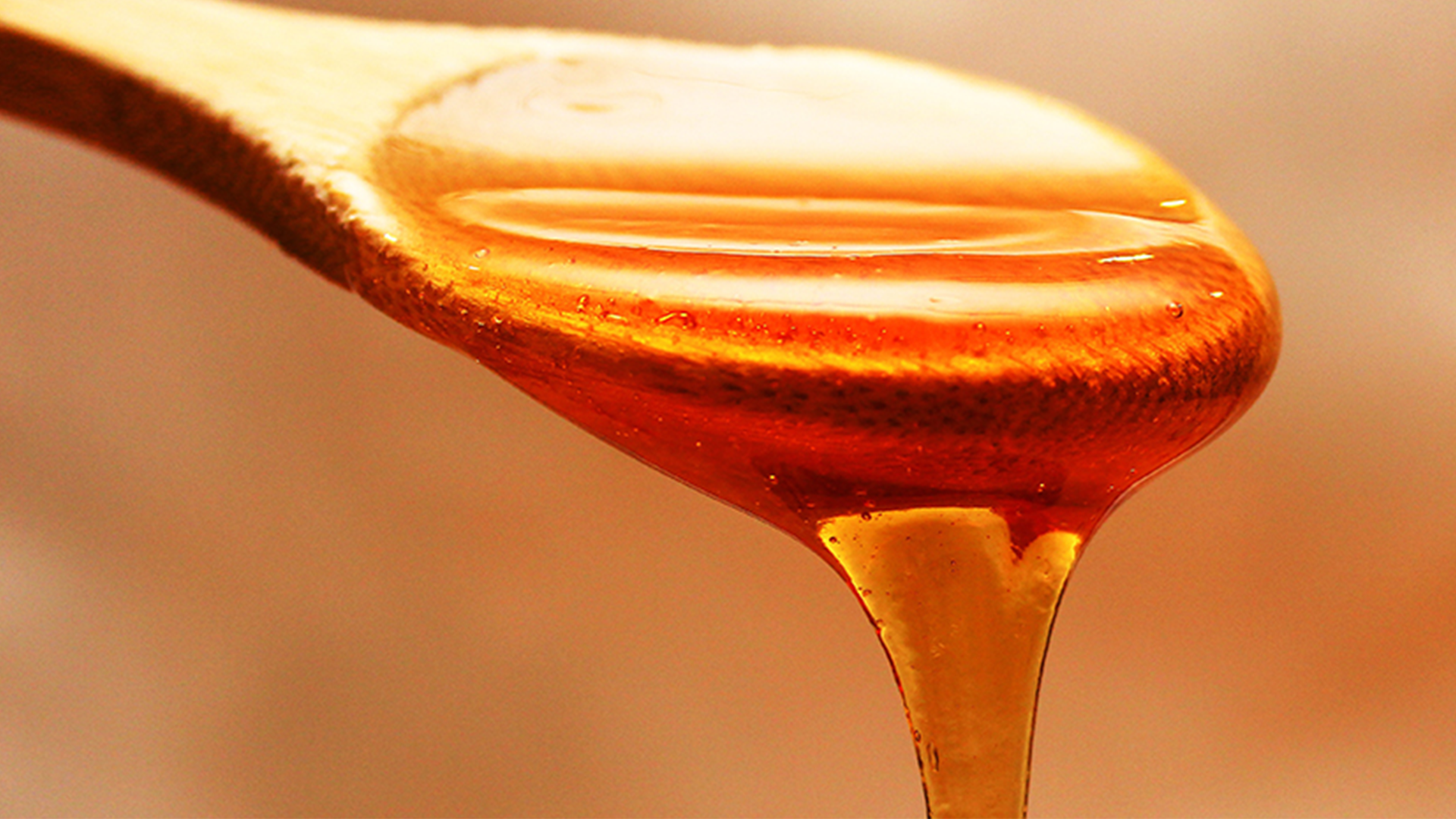
Be it the honey on our breakfast toast, the water from the tap or the air surrounding us – they all have one thing in common: in a physical sense they are fluids.
That means: if you expose these substances to shear forces, their molecules are shifted against each other and the substance deforms continuously. With honey the shearing force of the knife on the one hand, and the resistance of the rough surface of the bread on the other, lead to this deformation – the honey is easy to spread.
Fluids react to even slight force application. The deformation rate increases proportionally to the amount of shear stress. Therefore water flows faster from a plastic bottle when it is compressed more strongly. Physically speaking: the stronger the force, the faster the fluid is deformed.
A solid, in contrast, offers a greater resistance to shear forces. Tension is built up inside it until eventually, above a certain threshold, deformation occurs – the stick breaks.
But a solid can become a fluid if it changes its state of aggregation and melts. So the ice cube is no fluid, its melt water, however, is. It is easily deformed. It is almost the same with solid and molten steel. Thus temperature plays an important role in the behaviour of fluids.
Curriculum-centred and oriented towards educational standards
Matching
Tolerance
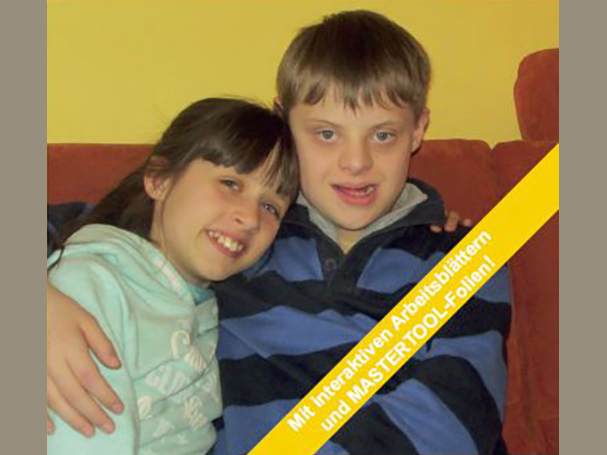
“Tolerance means being generous and kind to other people and helping them, too.”
Inclusion
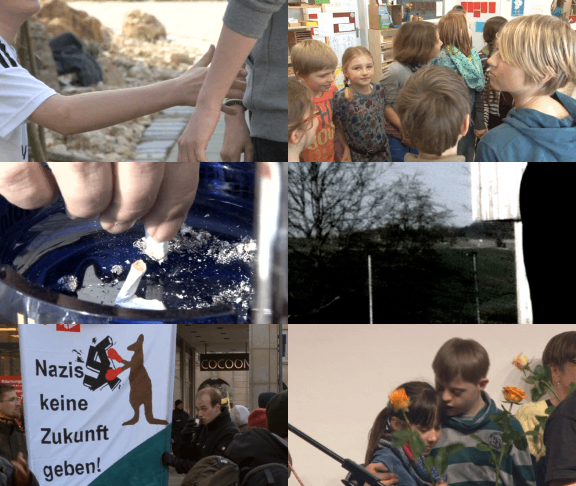
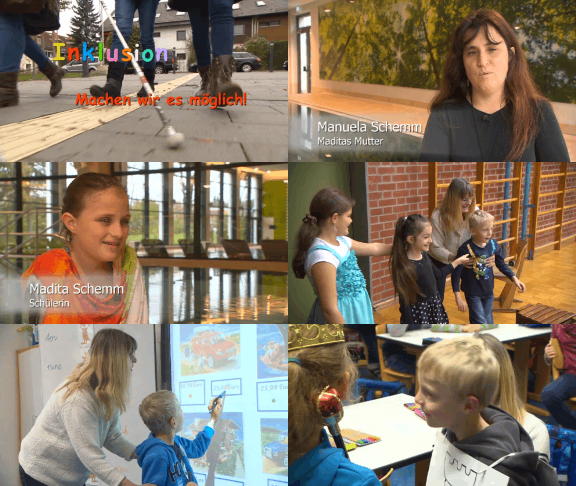
Madita is eleven and blind. She does not want to go to a special school but to a regular grammar school. She says she feels "normal" there. Jonathan is eight and has a walking disability. He likes going to the school where he lives. Here, his best friend sits next to him. Max Dimpflmeier, a teacher who is severely deaf, explains that school life is not easy. Quote Max Dimpflmeier: "You don't want to attract attention, you want to avoid saying that it is necessary for you that 70 people adjust to your situation." People on their way to inclusion.
Youth Movement
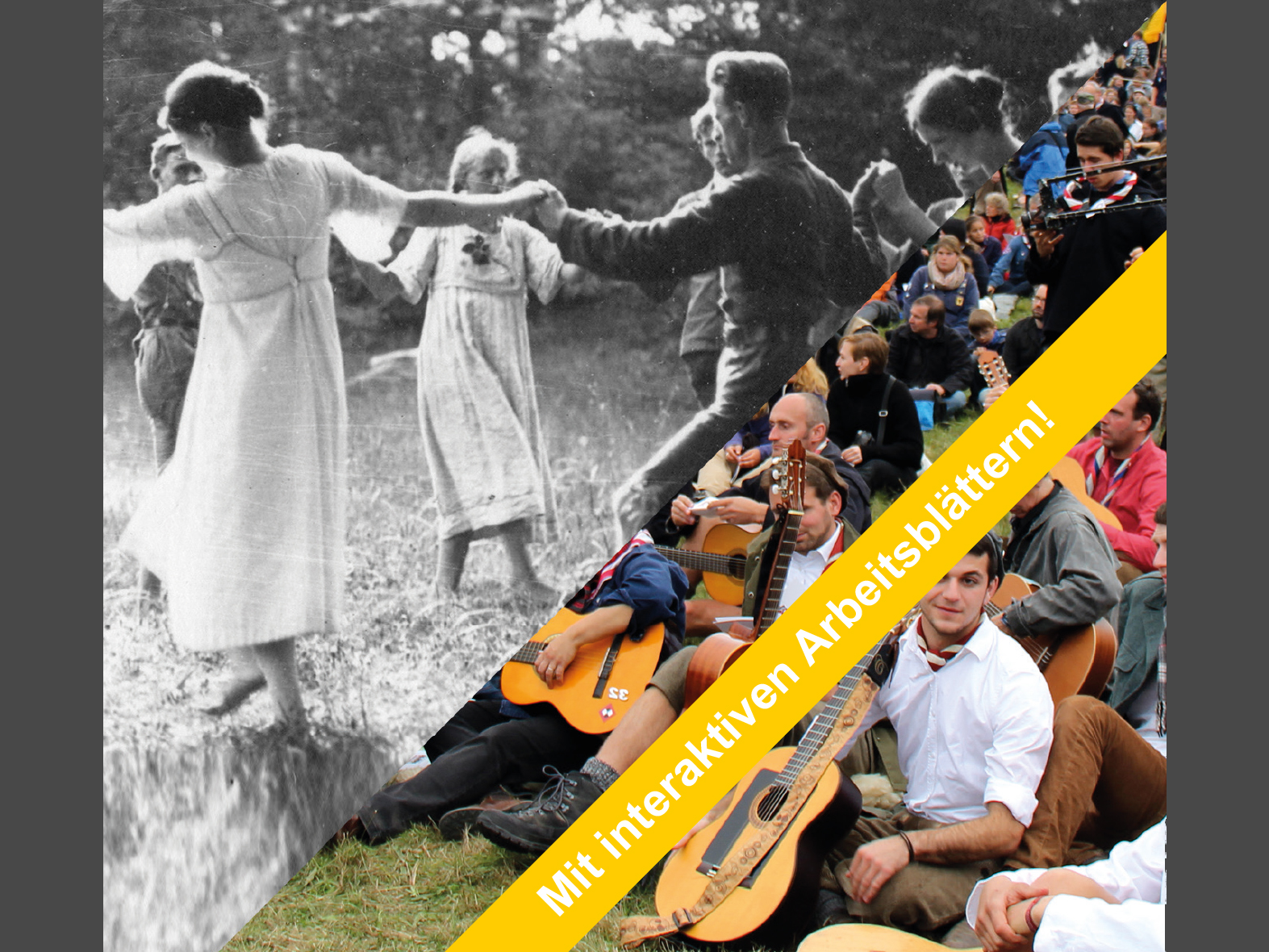
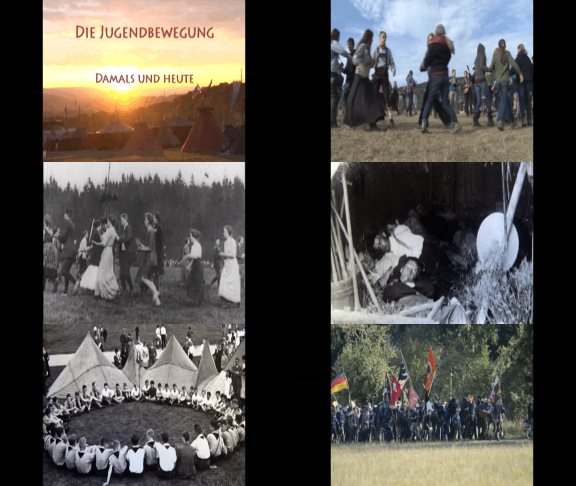
Dancing until your feet hurt: Here, at the meeting on the Hoher Meissner near Kassel, 3,500 participants from Boy Scout associations, youth and Wandervogel groups from all over the German-speaking region have gathered. They want to celebrate, simply get to know each other and commemorate a historic anniversary.