







55502604
Feuer und Flamme
In 10 interaktiven Aufgaben und interaktiven Videos wird Wissen rund um das Thema Feuer vermittelt und anschließend abgefragt.
Das Medium bietet H5P-Aufgaben an, die ohne zusätzliche Software verwendbar sind.
Durch interaktive Aufgabentypen wird das audiovisuelle und interaktive Lernen einfach.
Lernen macht jetzt Spaß!
Included Tasks
- I Wie entstehen Flammen? - interaktives Video
- II Feuerdreieck - interaktive Aufgabe
- III Entzündungstemperaturen - interaktive Aufgabe
- IV Was ist was? interaktive Aufgabe
- V Temperaturzonen - interaktive Aufgabe
- VI Brandklassen - interaktive Aufgabe
- VII Gefahrenzeichen - interaktive Bildkarten
- VIII Die Menschen und das Feuer - Lückentext
- IX Gefahrensymbole - interaktive Aufgabe
- X Feuer und Flamme-Quiz - interaktive Aufgabe
Curriculum-centred and oriented towards educational standards
Matching
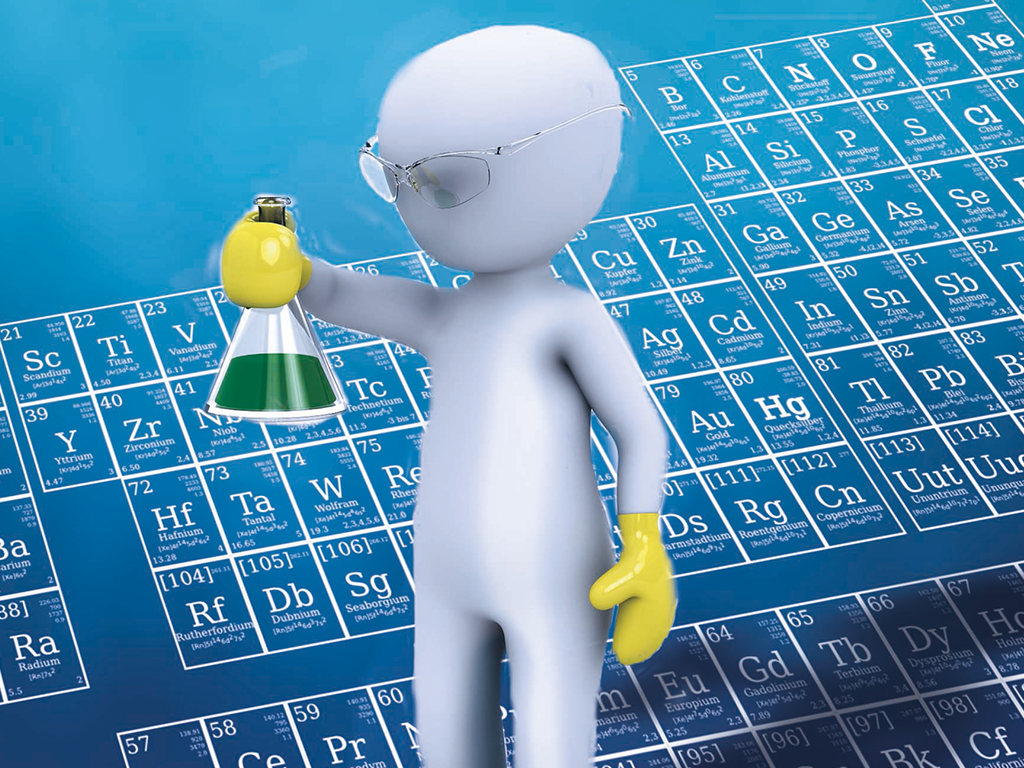
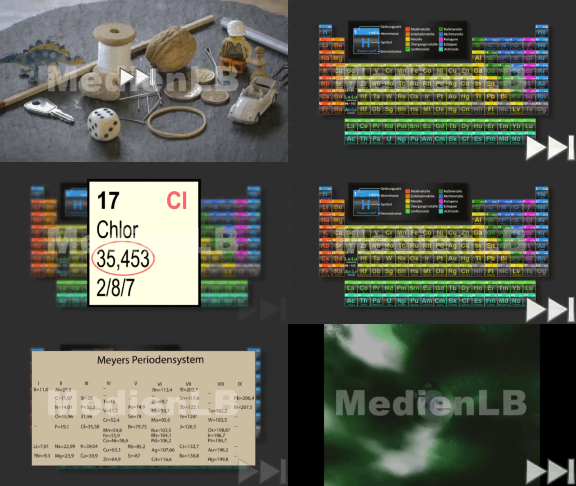
Periodic Table
With the help of the periodic system chemists can predict properties of chemical elements and derive chemical reactions. But you need not be a chemist to understand the periodic system.
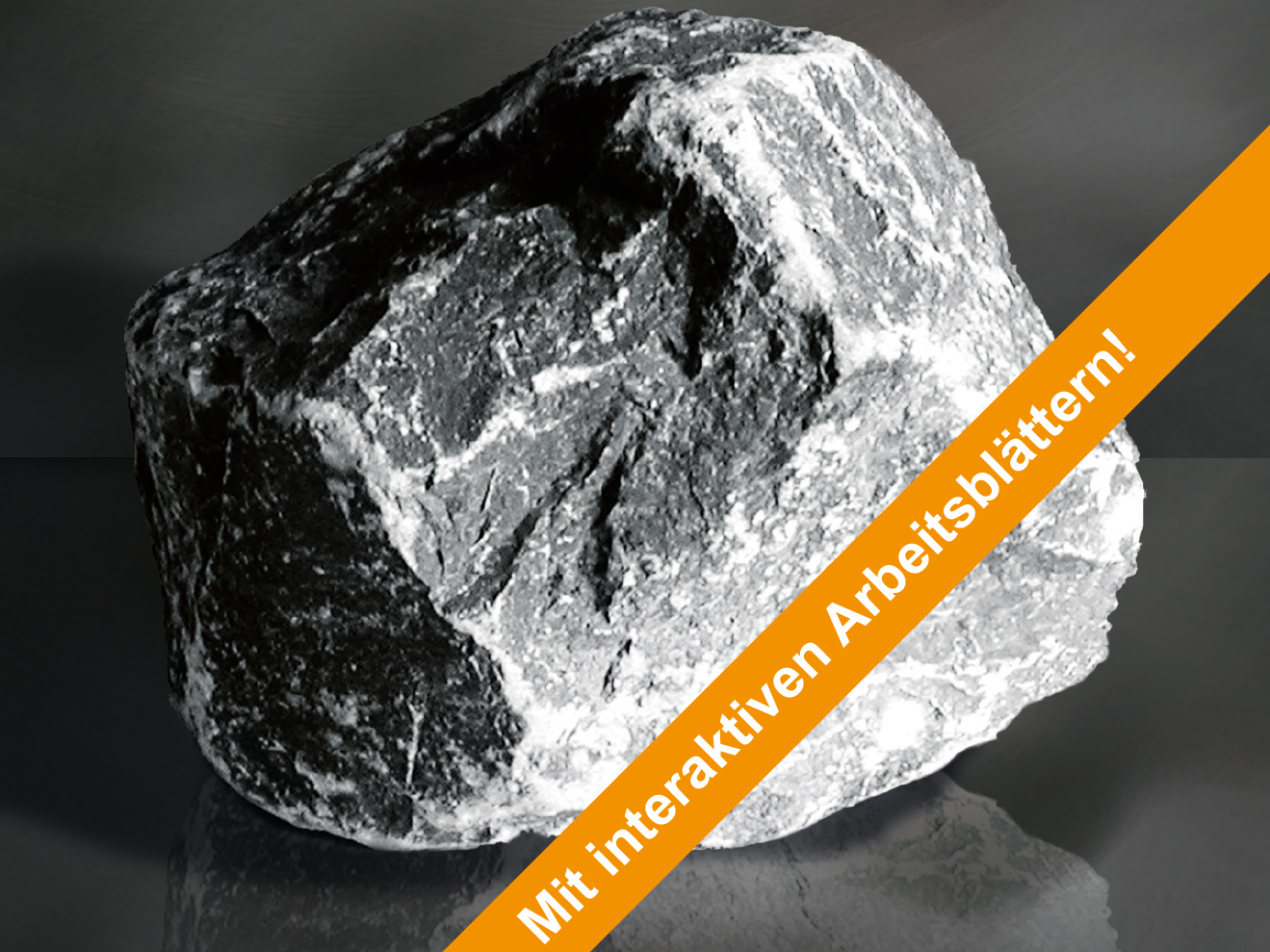
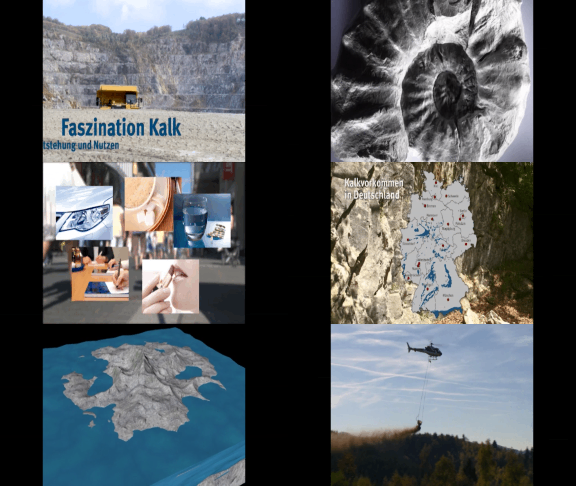
Fascination Lime
Many products used in everyday life are impossible without lime. These are, among others, glass, sugar, paper as well as pharmaceutical and cosmetic products. The raw material is also indispensable in the construction materials industry. Iron and steel producers need limestone, in environmental protection it is used, for example, for air cleaning and drinking water purification.
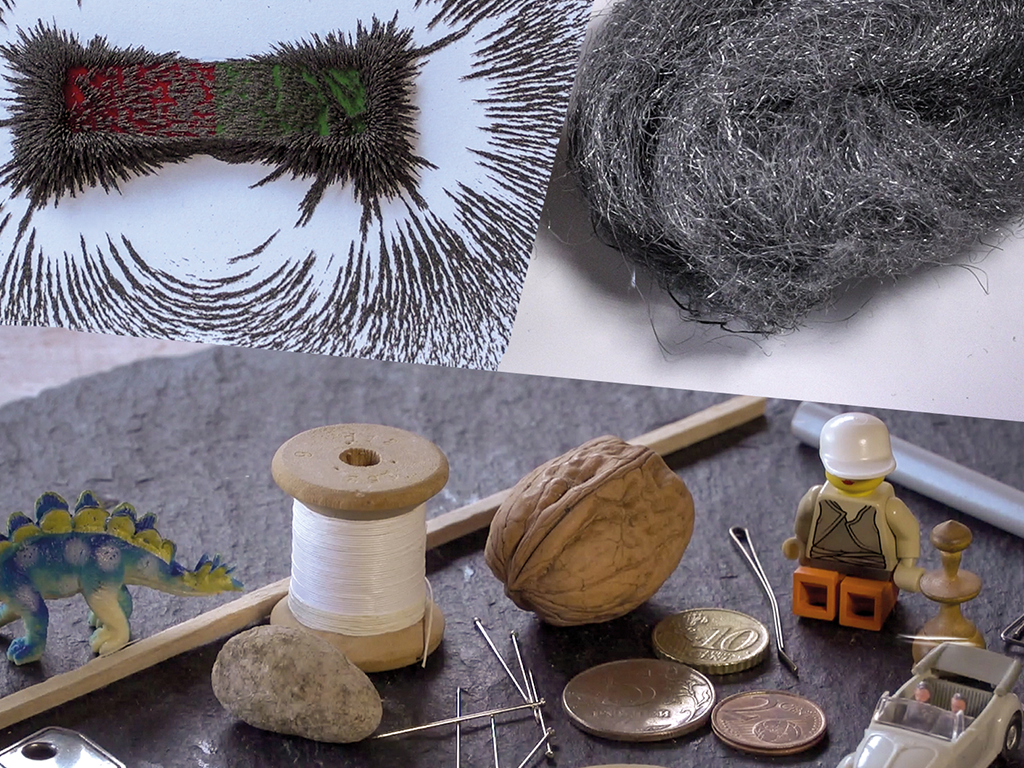
Materials and Substances of Everyday Life
Hearing these words, you first think of the materials our clothing is made of. But all objects surrounding us in everyday life consist of one or several materials.