







 German
4679023 / 5565784
Expressionism in Literature
Poetry, Prose, Drama
The term Expressionism is made up of the two words “ex“ and “premere“, the Latin word for “ to press”.
So Expressionism is the art of expressing oneself.
Truths, thoughts and experiences seen mentally are brought out and in a manner that is radical, blunt and, above all, subjective.
Thus Expressionism was the response to a world that was completely turned upside down, which posed enormous problems for the whole of humanity at the beginning of the 20th century.
The period of Expressionism is dated both in literature and the visual arts from 1905 to 1925.
The essential event in those years was the First World War, which lasted from 1914 to 1918 and called into question human existence as a whole.
It was waged with so far unknown dreadful weapons, such as the use of gas as in combat.
War, destruction, disintegration, confusion , loss of self, ecstasy, madness, love, emotions were the Expressionists’ subjects which they dealt with in a strongly subjective and existential, sometimes almost eruptive manner.
Political depression, advancing industrialisation and, last but not least, problems of the city became constantly recurring themes in many works.
Berlin was the hub of this era and its art.
The city was full of life but also bursting at the seams. Many people had difficulties adapting to the speed of the new era.
Curriculum-centred and oriented towards educational standards
Matching
Ideals of Beauty
1. What Is Beautiful?
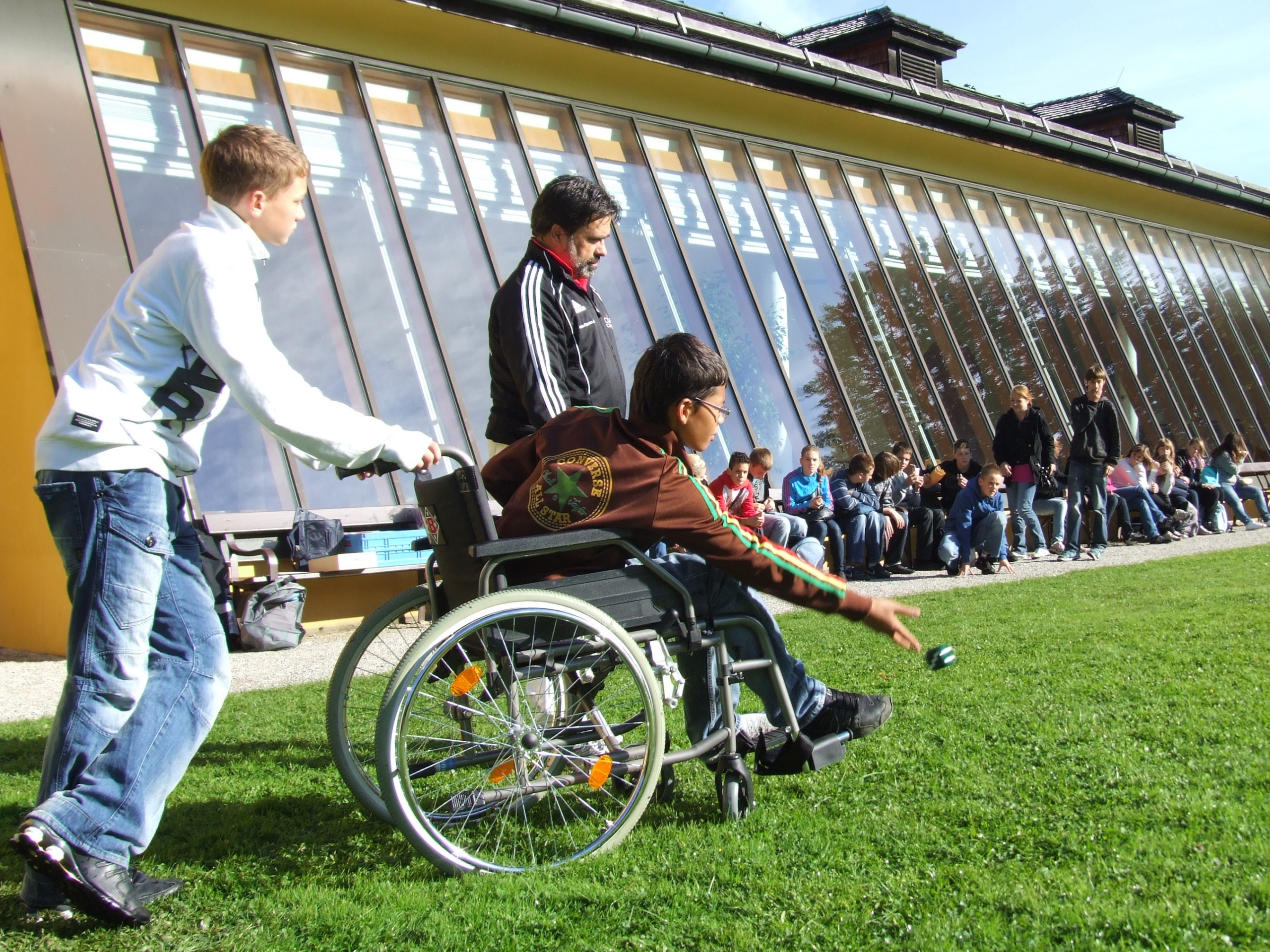
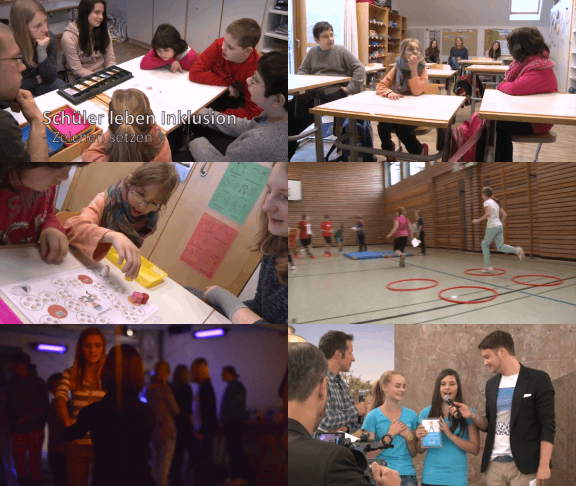
Pupils Practise Inclusion
When people come together, no matter under what concomitant circumstances – ultimately, it is about how these people meet and how openly they interact with one another.
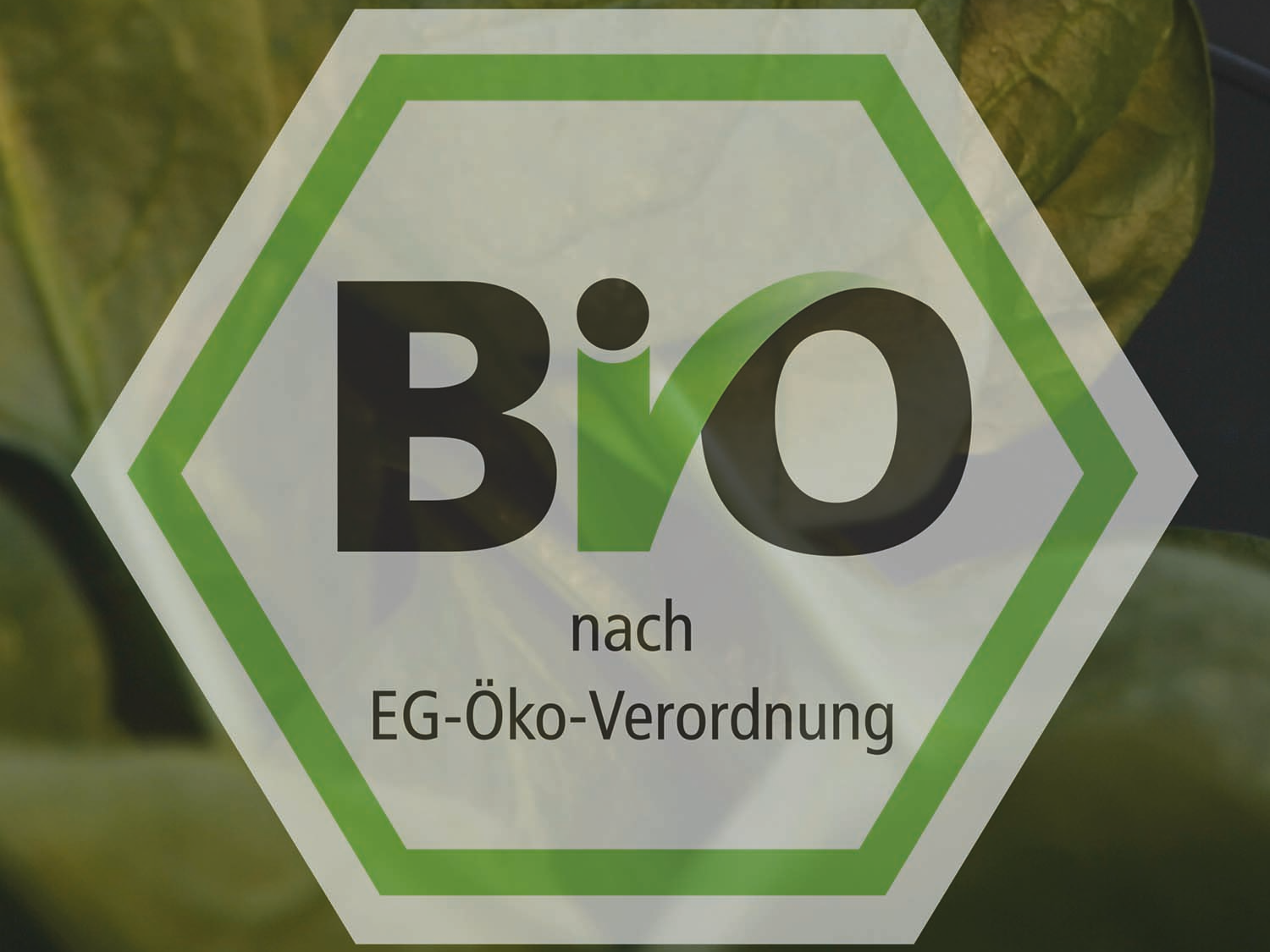

Seal of approval
Quality seals such as the "Bio-Siegel", "Blauer Engel", "Stiftung Warentest" and up to 1,000 other seals represent characteristics such as sustainability, health or safety with regard to a product, a service or even a company.