







 Religion

4669640 / 5560317
Christian Feasts
Holidays In the Liturgical Year
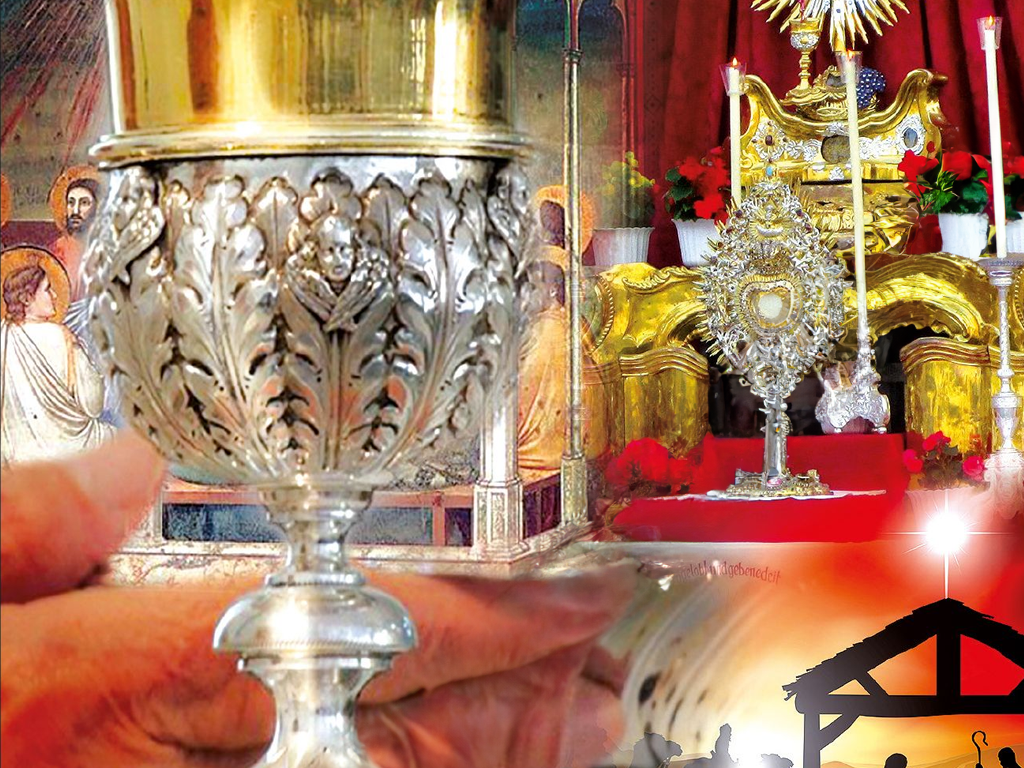
People like to celebrate – music, laughing, dancing, being sociable, giving and receiving presents. All this is part of a good celebration. Apart from private festivities such as birthdays or weddings, there are also constantly recurring feasts and holidays in the circle of the seasons. Some are celebrated only regionally, others nationwide or worldwide. It is often forgotten that originally they had a Christian background. Thanksgiving, a parish fair or church mass turned into a fun fair and eventually simply a public festival in many places. Ascension Day, Whitsun or Easter are mostly wonderful occasions for just relaxing and long weekend getaways. But to Christians they have yet another, deeper meaning. They can be used for contemplation, commemoration, for example of the life of Jesus Christ, and for common celebration with other believers in church services.
Play trailer
- <> Languages : DE, EN, TR
- <> Target Groups : Sek I, Sek II
- <> Subject : Religion
- <> Length : 25:18 min
- View in learning platform
Licenses
Curriculum-centred and oriented towards educational standards
Matching

Copyright
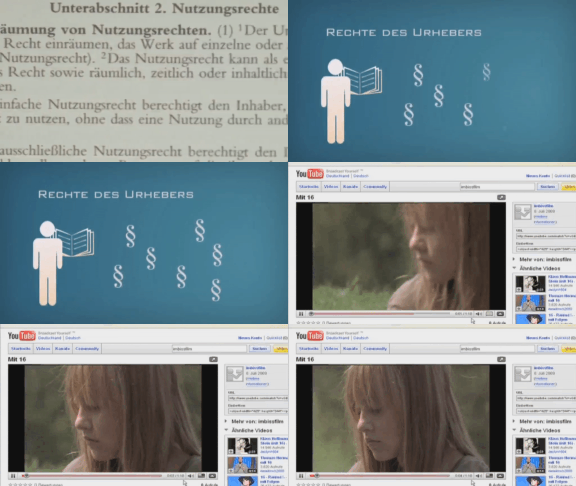
Copyright is subject to constant change to keep up with technological advances. This film enables the viewer to grasp the basic principles of this extremely intricate matter. By way of introduction, the film defines what an author is, what kinds of works there are and how long a work is protected on principle. Then the fundamental rights of an author are cited and it is shown how these are exploited in our times. In the third chapter, the respective rights are illustrated by way of practice-oriented examples of books, photos, music and films. Here, of course, an emphasis is laid on the field of education, taking into account the latest case law within the EU and Austria in particular. A further chapter highlights the problems arising with the Internet and goes into the citation law and pirate copies. All in all, in this way the viewer is made familiar with the most important basic terms and their meanings. Comprehensive worksheets and additional accompanying material invite us to deepen our knowledge of the subject.
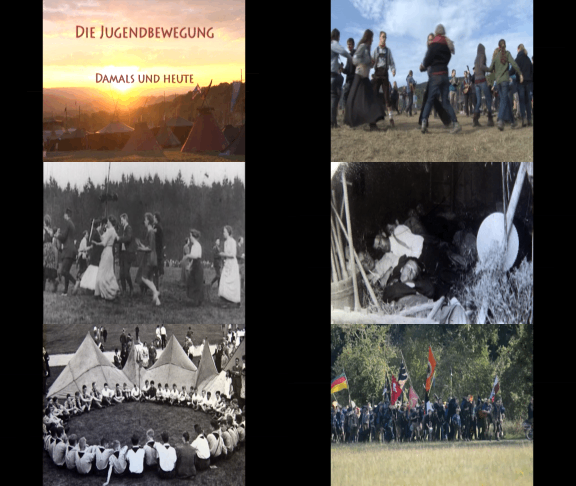
Youth Movement
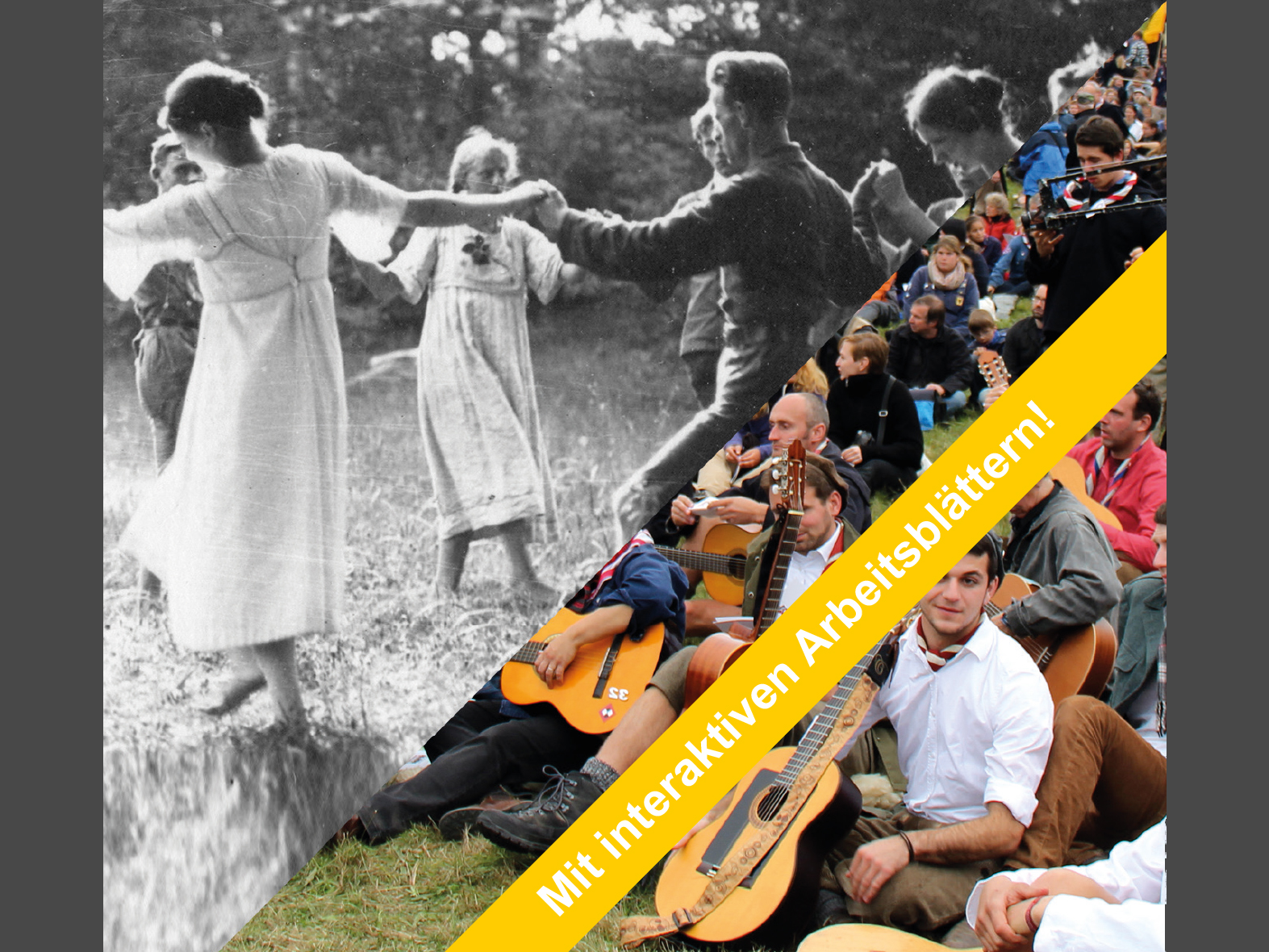
Dancing until your feet hurt: Here, at the meeting on the Hoher Meissner near Kassel, 3,500 participants from Boy Scout associations, youth and Wandervogel groups from all over the German-speaking region have gathered. They want to celebrate, simply get to know each other and commemorate a historic anniversary.
Air Traffic
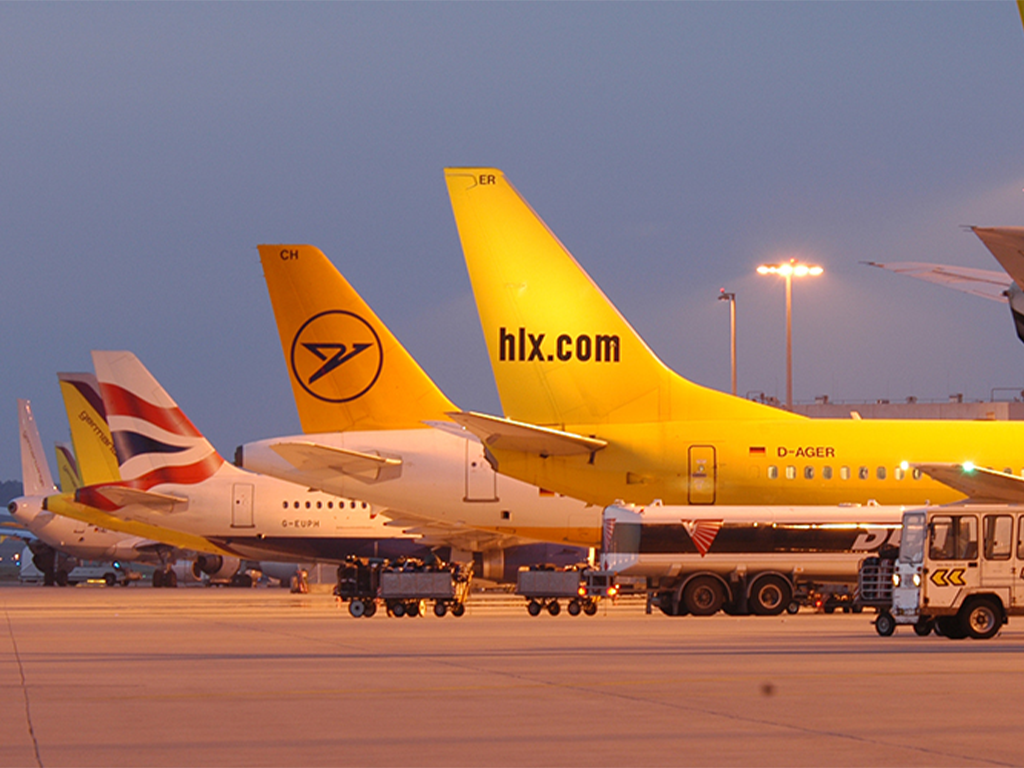
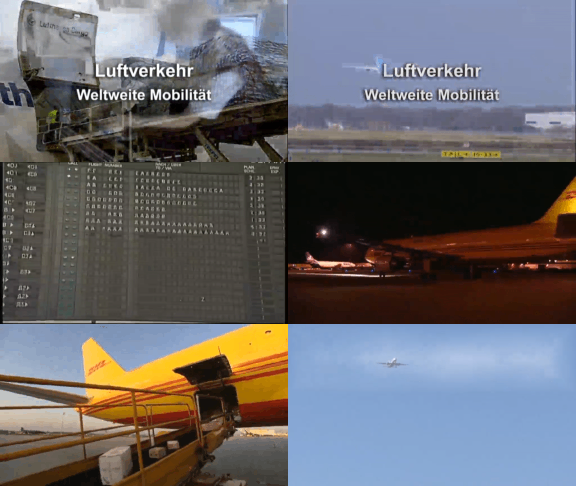
Being able to fly has been a dream of humanity from time immemorial. But it does not even date back a century that people actually started being able to travel through the air. Since the 1960s, the number of flight passengers has been constantly increasing. Thus, the airspace is no longer dominated by birds but by man-made flying objects.