







 Chemistry
4664216 / 5553655
C, CO2 and Associates in Everyday Life
From Carbon to Car
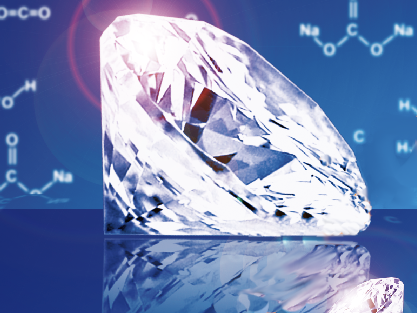
All organic matter contains carbon. Coal is deposited in the Earth’s interior. It developed about 300 million years ago from plants in a geological period which is also called Carboniferous. During the combustion of organic matter, carbon turns into the gas carbon dioxide. Dissolved in water, it becomes the so-called carbonic acid. Carbon dioxide is an incombustible, colourless and odourless gas that is easily dissolved in water. With various metal oxides or hydroxides it forms two types of salts: the carbonates and the hydrogen carbonates. As calcium carbonate it is contained in natural products such as chalk and egg shells. Specific forms of carbon, called modifications, are graphite and also the particularly valuable diamond.
Play trailer
Curriculum-centred and oriented towards educational standards
Matching

Stalking
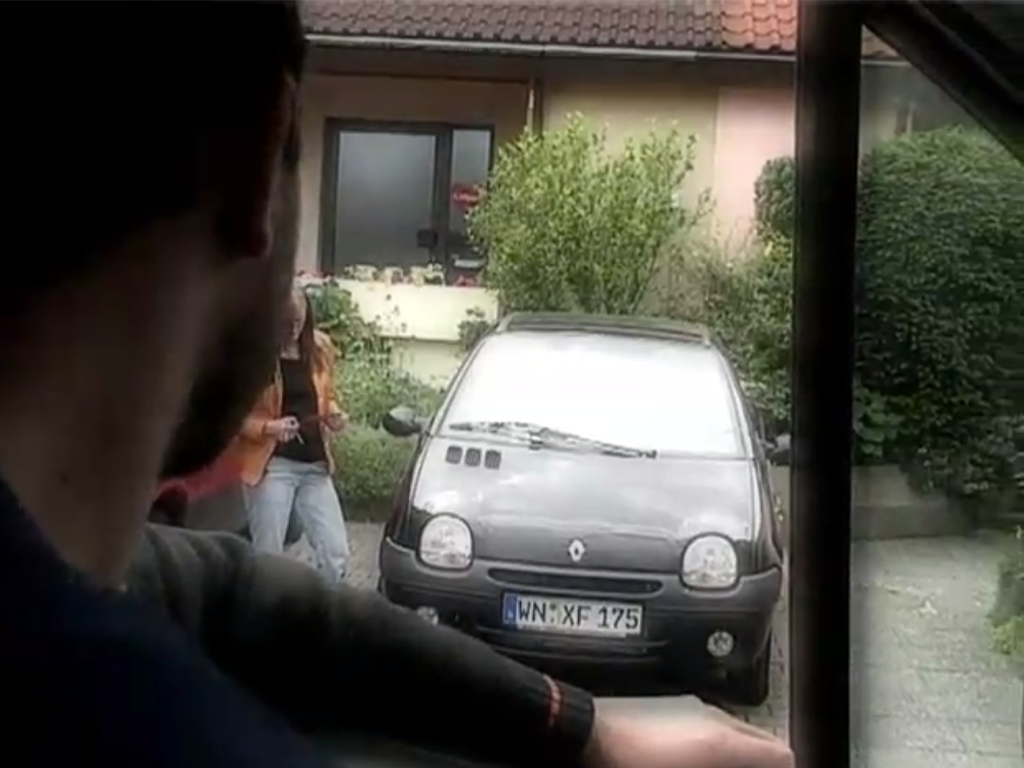
n Germany, 12 % of all federal citizens are pursued by a stalker once in their lives. And not only celebrities are among their victims! Everyone may be confronted with such a situation.
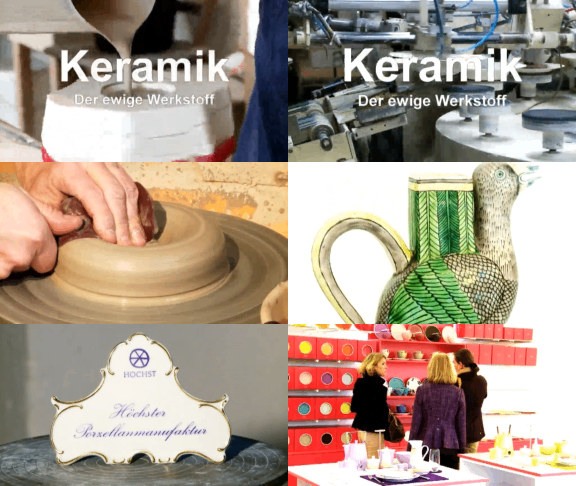
Ceramic
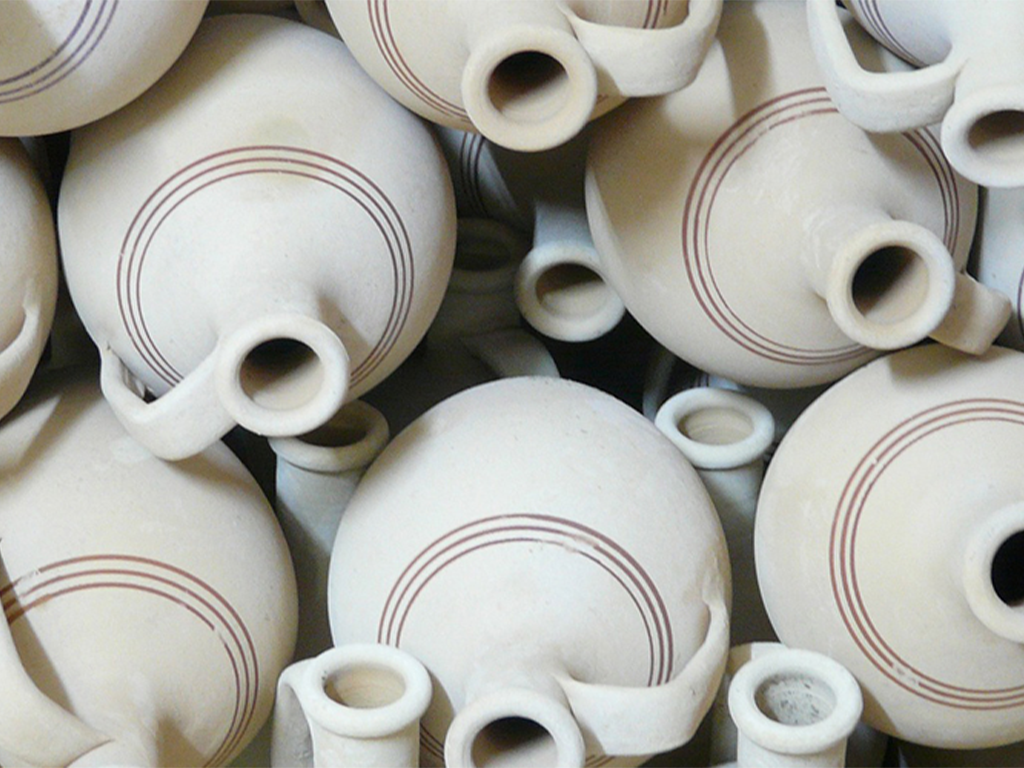
Ceramics are indispensable in our everyday lives. We eat from ceramic plates, drink from ceramic cups, use tiled ceramic bathrooms. But how is ceramic manufactured? The film reveals the secrets of this fascinating material! We get to know more about the beginnings of ceramic in the Old World of Egypt and Mesopotamia, about Greece, China and Rome. We gain interesting insights into the valuable earthenware and are also shown the exquisite further development of the "white gold". Today this versatile material is irreplaceable in industry, too. Whether in space or as an easily compatible substitute in medicine, ceramic is applied in many places.

Part Time Kings
Your children are not your children