







 History

4677121 / 5564410
Bronze Age
A New Material is Discovered
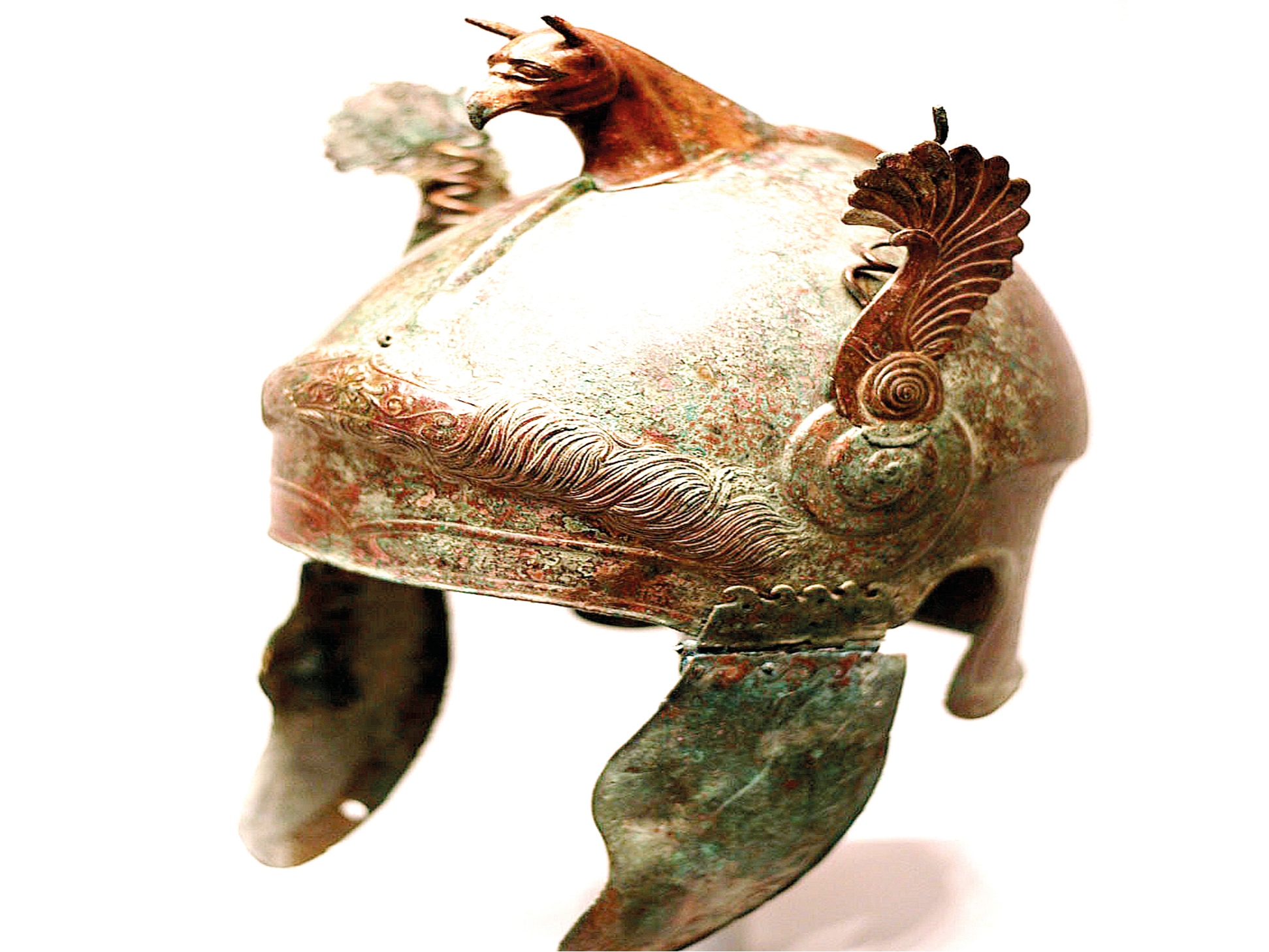
With the use of bronze as a working material a new historical era started at about 2200 BC.
Why was this particular metal so important for the development of humankind?
Bronze consists of nine parts copper and one part tin. It is melted at 800 to 1,000 degrees.
The bronze is poured into the mould and solidifies after a while. During the Bronze Age the moulds consisted mostly of sandstone. The latter was carved first and served as a template or negative of the objects, also called artefacts ─ such as flat axes, sickles, knife blades and swords.
The raw materials copper and tin were mined in Europe, the Middle East and also Africa. A flourishing trade with them started.
- <> Languages : DE, EN
- <> Target Groups : Sek I
- <> Subject : History
- <> Length : 24:06 min
- View in learning platform
Licenses
Curriculum-centred and oriented towards educational standards
Matching
Inclusion
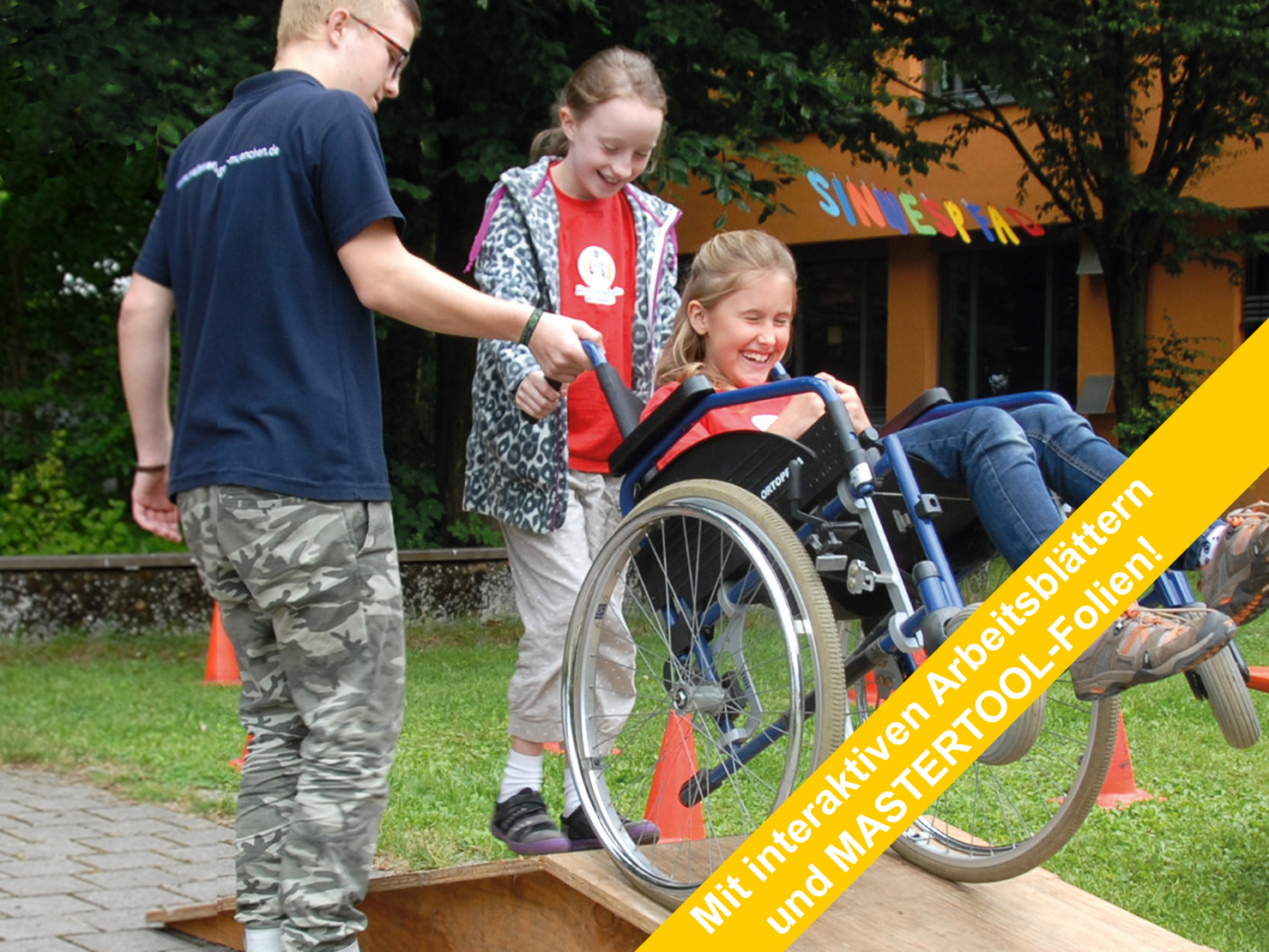
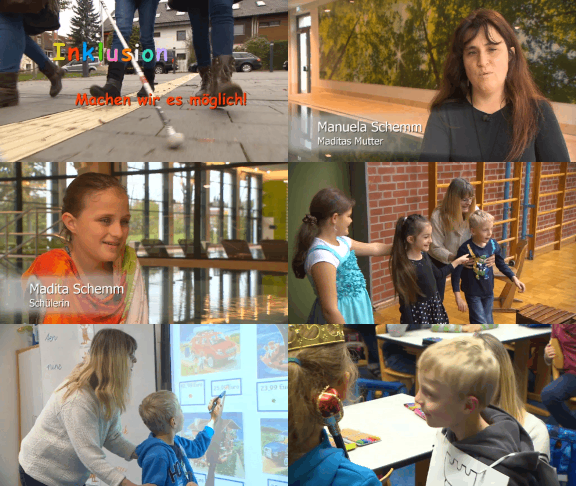
Madita is eleven and blind. She does not want to go to a special school but to a regular grammar school. She says she feels "normal" there. Jonathan is eight and has a walking disability. He likes going to the school where he lives. Here, his best friend sits next to him. Max Dimpflmeier, a teacher who is severely deaf, explains that school life is not easy. Quote Max Dimpflmeier: "You don't want to attract attention, you want to avoid saying that it is necessary for you that 70 people adjust to your situation." People on their way to inclusion.


Internet Addiction
The film consists of two parts. The first part is the 15-minute short film “In the Net”. It describes the problem of excessive Internet use in a humorous way, in particular the risk of losing touch with reality when chatting. The second part illustrates with three real persons how Internet addiction can develop and the problems encountered by those who are afflicted. The authentic statements are commented by an experienced therapist. For many pupils, the issues addressed here are related to their everyday lives. What is a “sensible” use of the Internet, where does pathological addiction start? In contrast to addiction to alcohol, nicotine or drugs, the public seems to be largely ignorant of the problem of this addiction, which is not related to any substance abuse. The film provides material for discussion in the classroom (crossdisciplinary) and can be used as a basis for the formulation of prevention strategies.
Ceramic
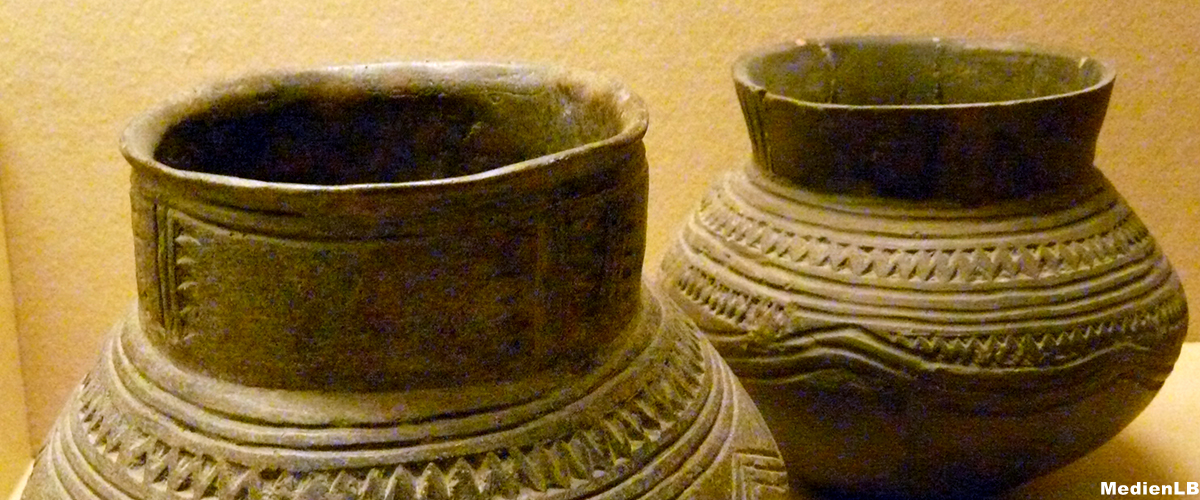
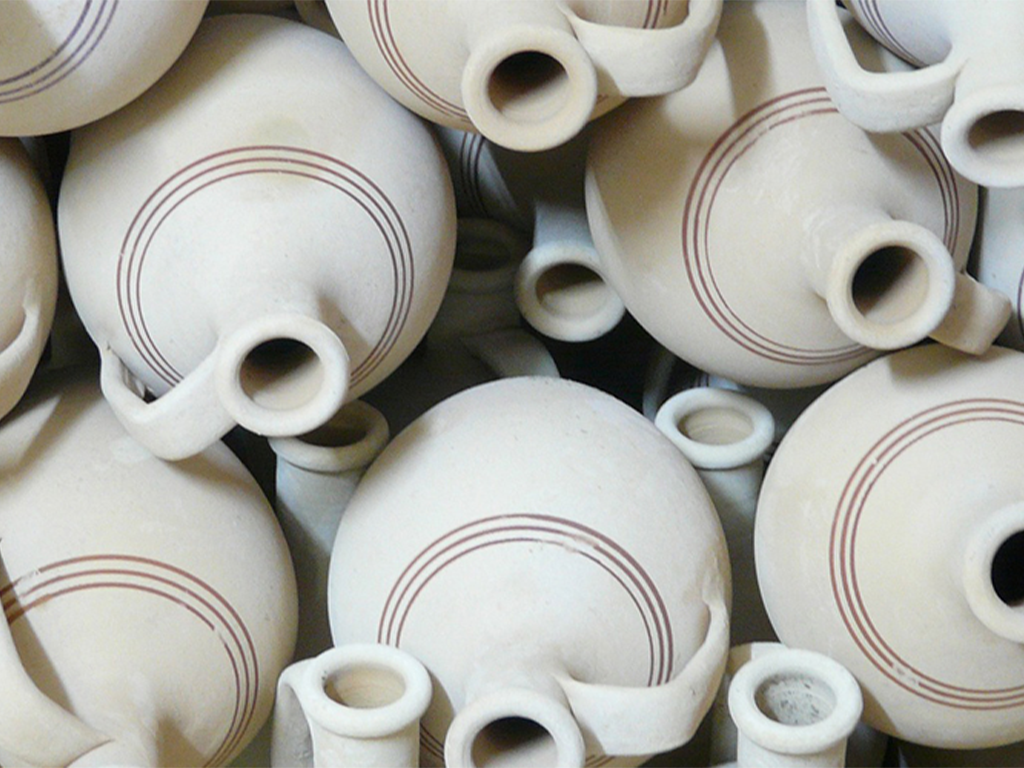
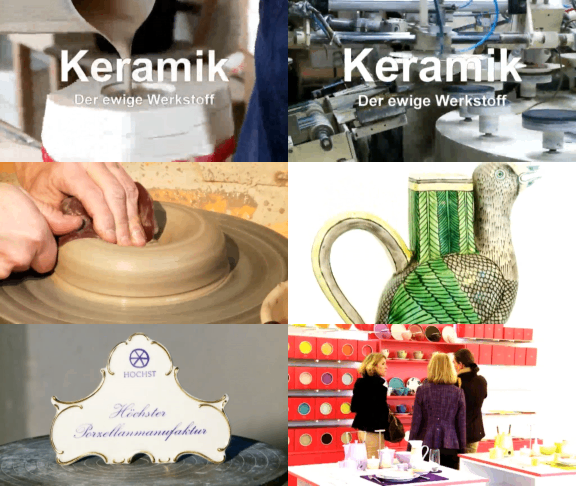
Ceramics are indispensable in our everyday lives. We eat from ceramic plates, drink from ceramic cups, use tiled ceramic bathrooms. But how is ceramic manufactured? The film reveals the secrets of this fascinating material! We get to know more about the beginnings of ceramic in the Old World of Egypt and Mesopotamia, about Greece, China and Rome. We gain interesting insights into the valuable earthenware and are also shown the exquisite further development of the "white gold". Today this versatile material is irreplaceable in industry, too. Whether in space or as an easily compatible substitute in medicine, ceramic is applied in many places.