







 Biology

4667672 / 5558931
Basics of BIOLOGY I
Plant Cells, Photosynthesis, Respiration
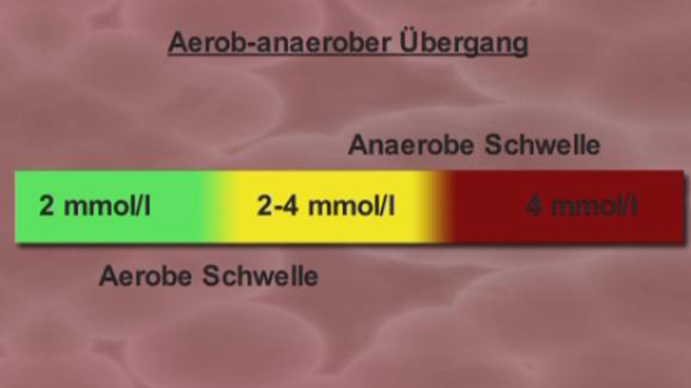
Basics of Biology examines general biological issues that help to expand and consolidate basic biological knowledge. The first film of this series deals with the structure of the plant cell. It centres around the structure and function of plant tissue such as the xylem, root cells and stomata as well as the functions of the chloroplasts. In the second chapter the issue of photosynthesis and the elements involved in it are dealt with. With tests and experiments impacts of light and CO2 on photosynthesis are demonstrated and explained. The third part explains human respiration. The rising oxygen consumption of a woman athlete brought on by physical effort on the moving walkway is shown. What happens when the physical stress becomes too strong and the amount of oxygen inhaled is no longer sufficient? The transition from aerobic respiration to anaerobic respiration is vividly illustrated. Together with the extensive accompanying material the didactic DVD is ideally suited for use in the classroom.
Play trailer
- <> Languages : DE, EN, TR
- <> Target Groups : Sek I, Sek II
- <> Subject : Biology
- <> Length : 20:54 min
- View in learning platform
Licenses
Curriculum-centred and oriented towards educational standards
Matching
Product Piracy
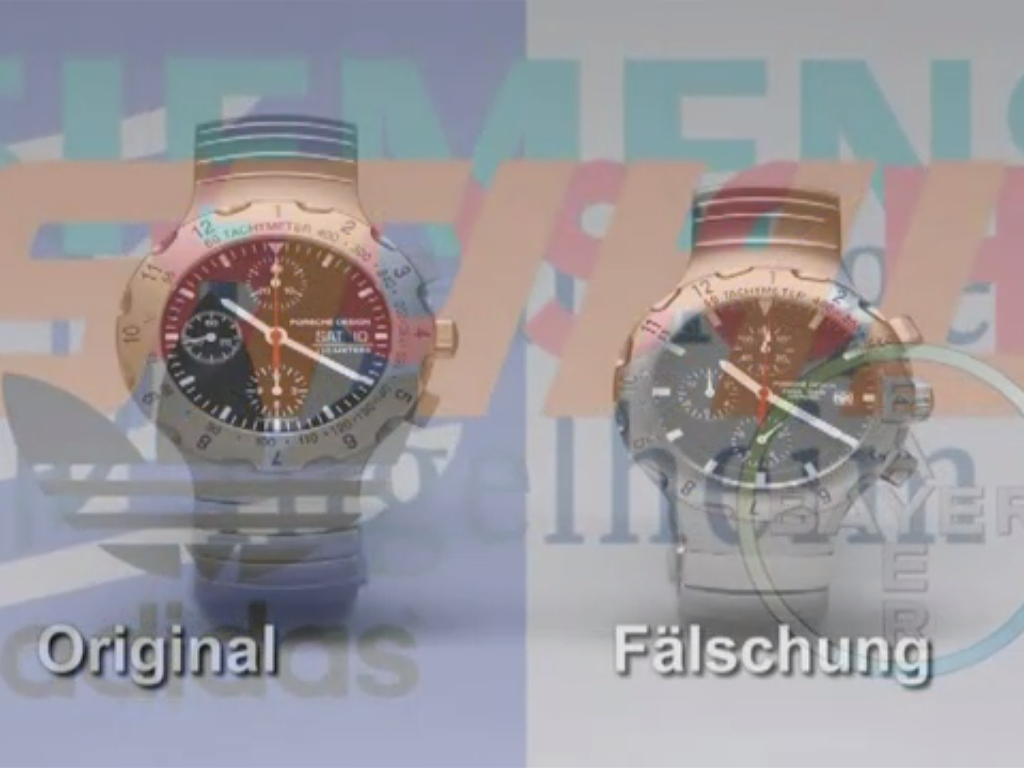
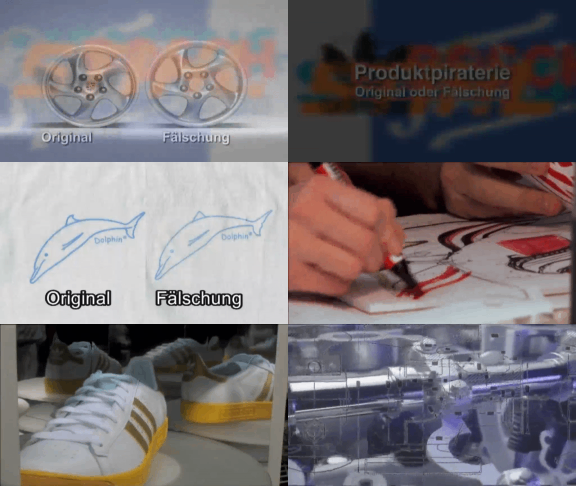
Counterfeiting takes place in almost all economic sectors – textiles, watches, car parts, machine parts, tools, accessories, software and medicines. Some counterfeits are easy to recognise, others are so well-executed that even experts have difficulty distinguishing between original and imitation. This DVD covers the development of a product from idea to manufacture. Once a product has become a trademark, product pirates appear on the scene.

Resuscitation
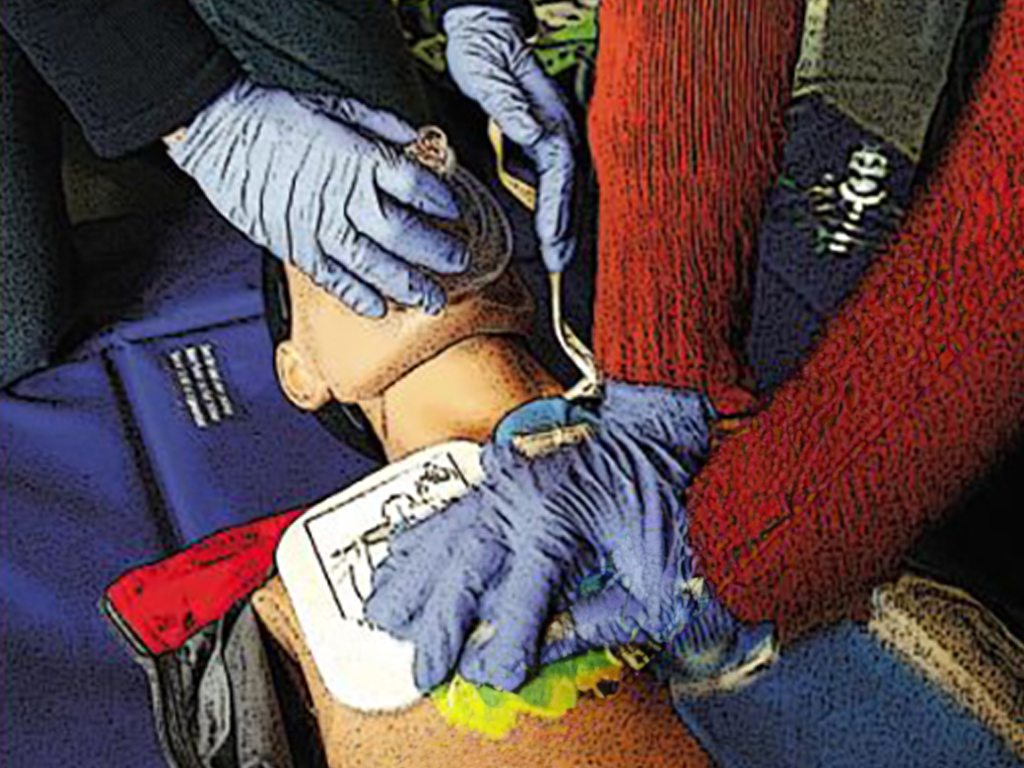
It can happen to anyone – of any age, in any place, at any time. Sudden cardiac arrest may quickly prove fatal. Immediate action is called for! Just remember: Check Call Press Anyone can do it. You can't do anything wrong!
Part Time Kings
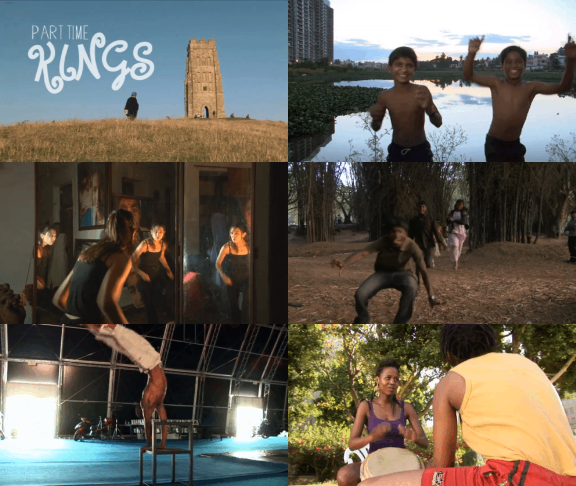
Your children are not your children