







 History


4669633 / 5560310
Apartheid
Racial Segregation in South Africa
A new era began for South Africa when, in 1886, an out-of-work miner struck gold at the Witwatersrand in South Africa. The consequences of the discovery of the world’s largest natural treasure were dramatic. From all over the world speculators and adventurers flocked to the area. Scattered »gold fever« shanty towns mushroomed, which soon developed into modern concrete cities, though. The wealth created by the gold made South Africa grow into an industrial and financial power. Today, the economy of the country is the most important of the entire African continent. But there are many pitfalls. It is imperative to recognise them in order to confront the challenges of the future.
Play trailer
- <> Languages : DE, EN, TR
- <> Target Groups : Sek I, Sek II
- <> Subject : History
- <> Length : 36:50 min
- View in learning platform
Licenses

Curriculum-centred and oriented towards educational standards
Matching
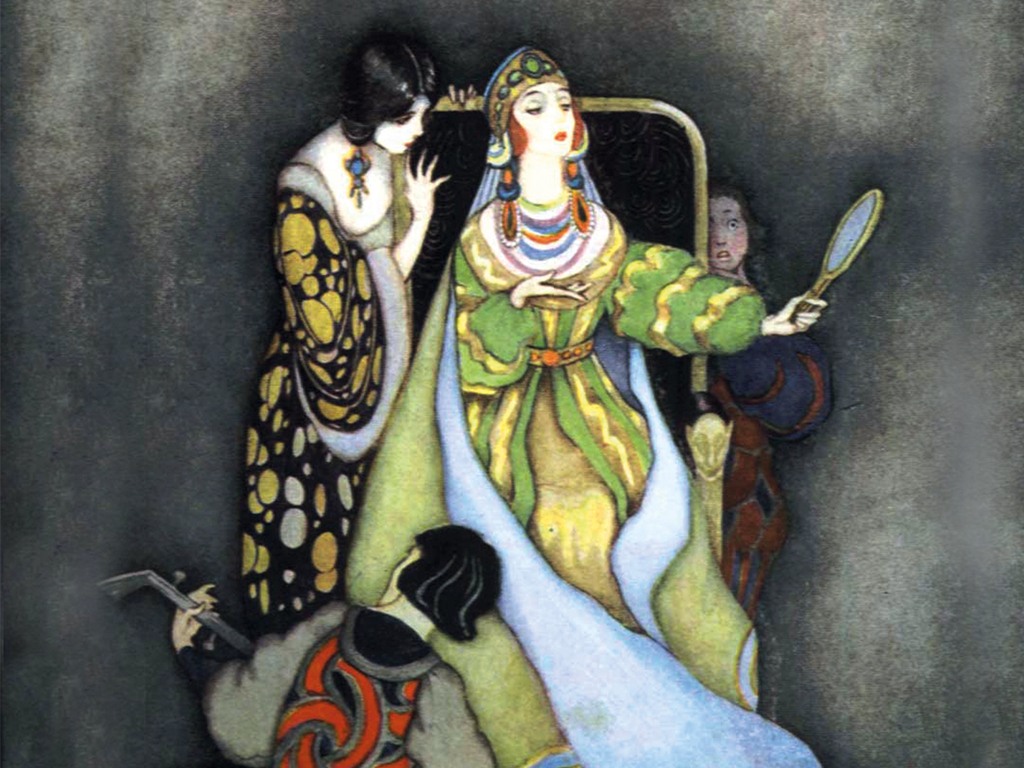
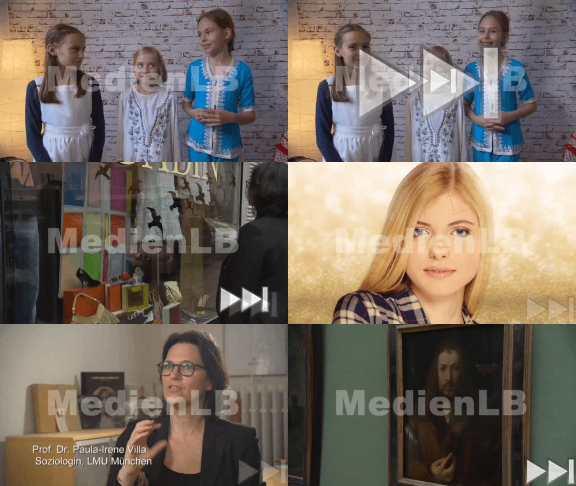
Ideals of Beauty
1. What Is Beautiful?
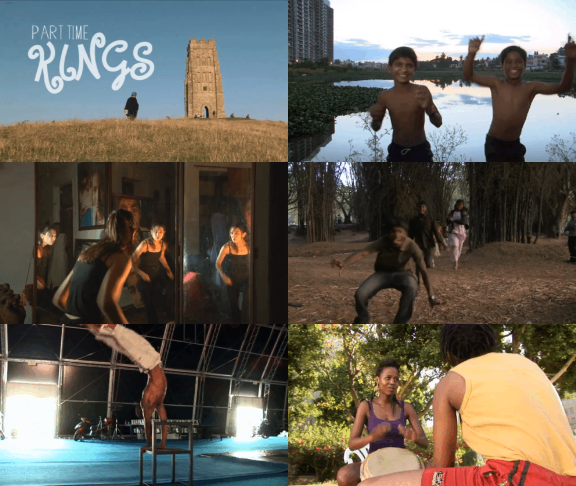
Part Time Kings
Your children are not your children
Podcasting
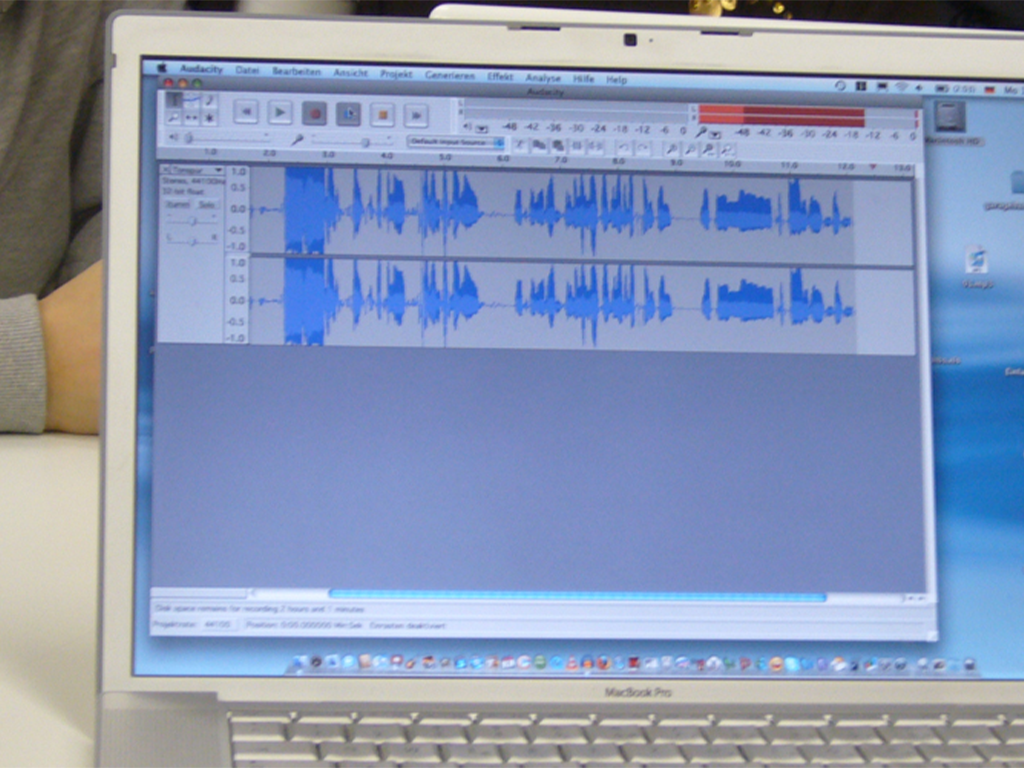
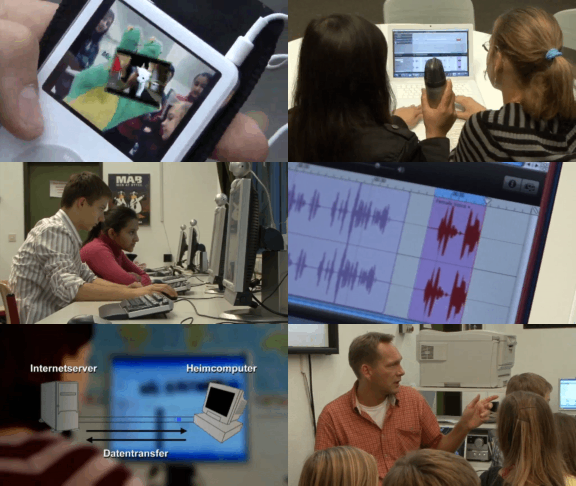
Today, the use of new media has become a matter of course not only in everyday life – schools and teaching, too, benefit from the new technologies and methods, which support active and independent learning. Especially in computer science, ethics and language courses but also in all other subjects, modern media are a valuable pedagogic and didactic asset. This DVD uses the example of podcasts to demonstrate how the possibilities opened up by new media can be applied in the classroom and how the pupils can be taught to handle them in a competent and target-oriented manner. The film is aimed at supporting the use of podcasts at school and encourages making them. This also requires the ability to find information on the Internet and assess it. The film informs on the functionality of podcasts and technical background as well as on the teaching and learning possibilities offered by podcasts – ranging from specific contents to superordinate learning targets such as the advancement of creativity and team spirit. The DVD is a useful support for teachers applying new media and wishing to show their pupils how to handle Running Time: 20:29 ms them in a sensible way.