







 Biology
46505866 / 55508568
Pilze
Artenvielfalt, Lebensräume, Nachhaltigkeit
Dieser Film nimmt Schülerinnen und Schüler mit in die faszinierende Welt der Pilze. Anschaulich und altersgerecht erklärt er, warum Pilze weder Pflanzen noch Tiere sind, wie sie leben, sich vermehren und welche wichtige Rolle sie für das Ökosystem spielen. Von verborgenen Myzelien im Waldboden über beeindruckende Fruchtkörper bis hin zu seltenen und bekannten Arten wie Fliegenpilz, Trüffel oder Igelstachelbart vermittelt die Produktion fundiertes biologisches Wissen. Darüber hinaus werden Themen wie Symbiose, Pilzzucht, Nutzung in Medizin und Biotechnologie sowie der sichere Umgang mit Speise- und Giftpilzen behandelt. Der Film zeigt eindrucksvoll, wie unverzichtbar Pilze für den Nährstoffkreislauf, die Artenvielfalt und das Gleichgewicht der Natur sind.
Play trailer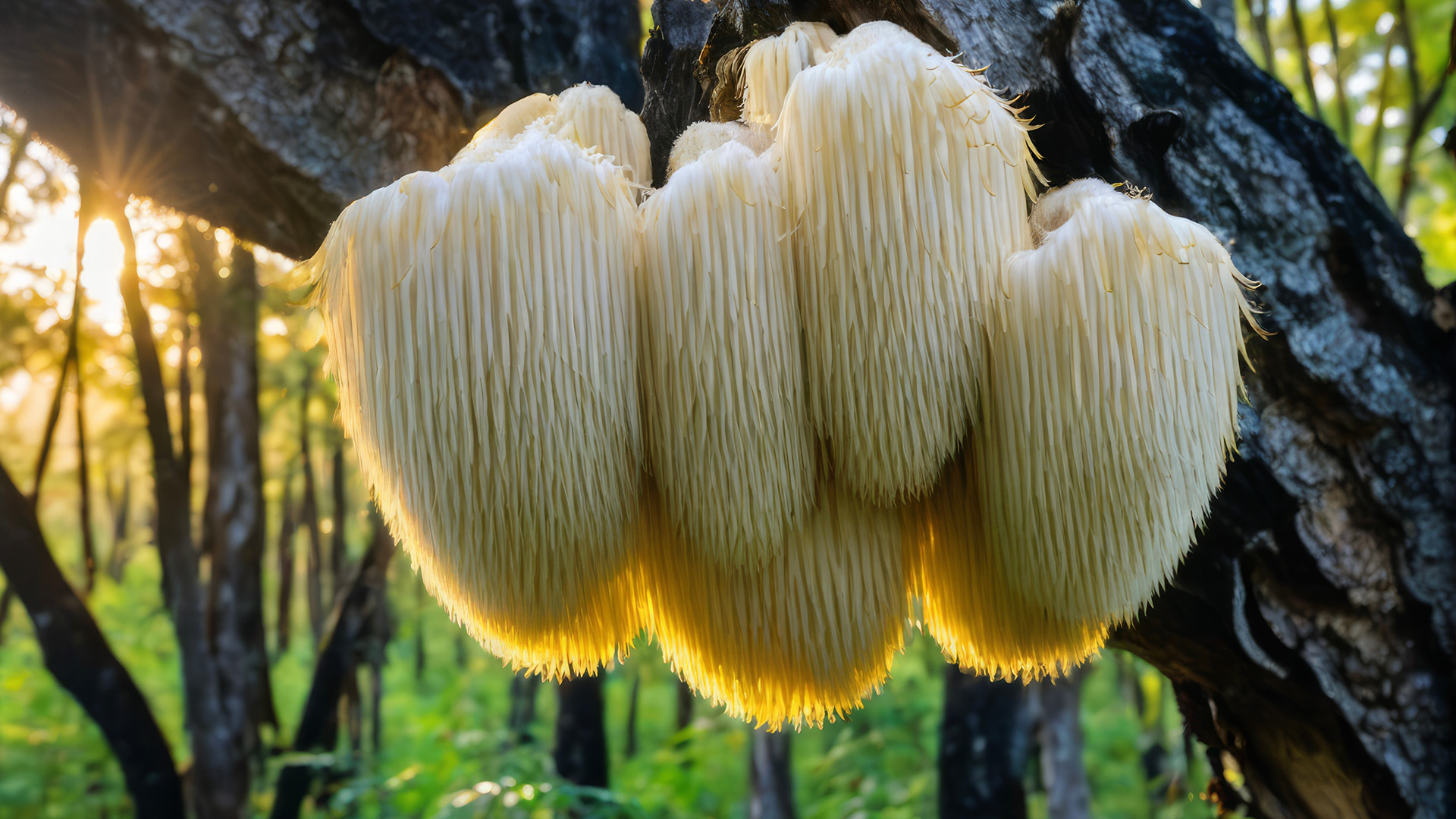
Curriculum-centred and oriented towards educational standards
Matching
Mushrooms
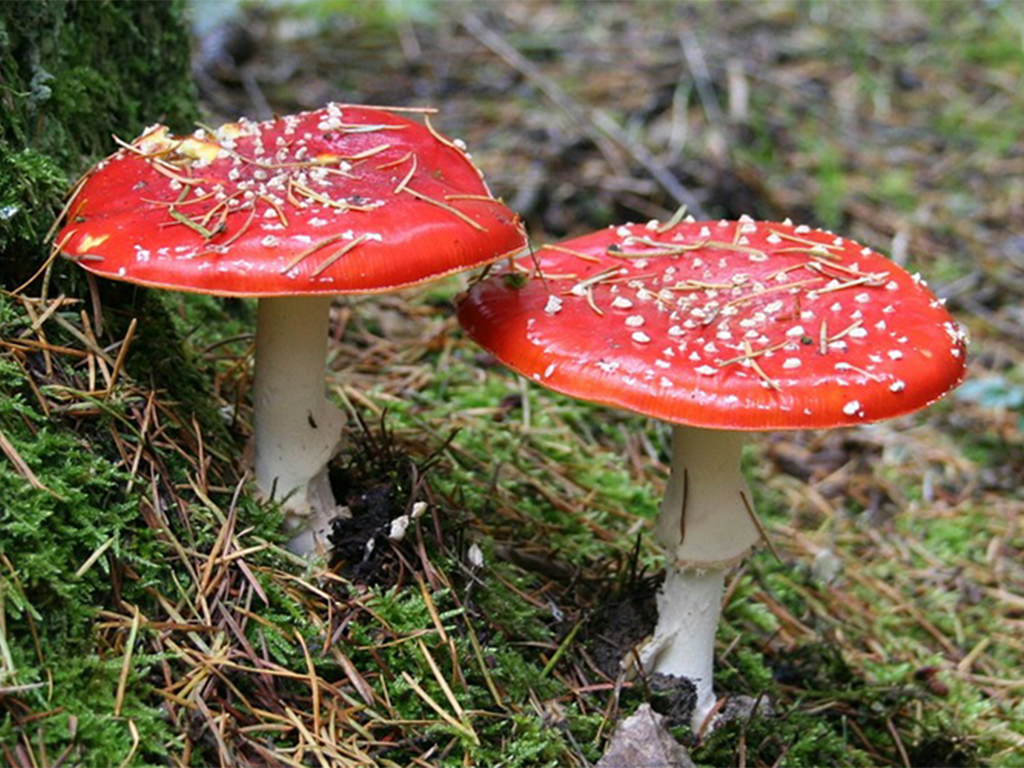
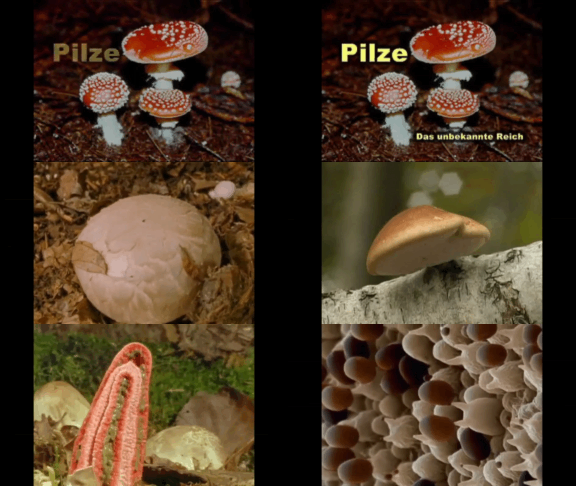
This DVD offers a clearly structured survey of mushrooms with an emphasis on the following aspects: Mushrooms of different shapes and colours present their fruit bodies. The reproduction by means of spores is shown with different kinds of mushrooms. The actual mushroom is formed by hyphae in the ground. The symbiosis between mushroom and tree is called mycorrhiza. Mushrooms can be poisons or medicines, as is illustrated by the examples of ergot and the birch polypore. Mildews and slime moulds are examples of the decomposing effects of mushrooms. In the fermentation of yeast plants, sugar is transformed into alcohol and carbon dioxide. Lichens are extremely adaptable. Under the electron-scan microscope, we can see how algae and mushroom hyphae form a complex symbiosis. Finally, rules and recommendations for gathering mushrooms are provided. Outstanding shots (with impressive fast-motion pictures and animations) give the pupils a comprehensive overview of the characteristics of mushrooms.


Rassismus
Von Rassismus spricht man, wenn Menschen wegen äußerer Merkmale wie ihrer Hautfarbe, aber auch ihrer Herkunft oder Religion, als Gruppe bestimmte, meist negative Eigenschaften zugeschrieben werden.

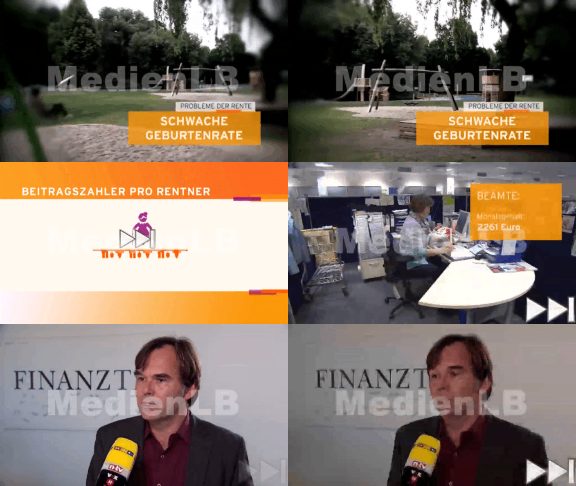
Altersarmut
Innerhalb von 52 Jahren hat sich in der Bundesrepublik das Verhältnis von Beitragszahlern für die Rente zu den bestehenden Rentnern um den Faktor 3 verschlechtert. Sind 1962 noch 6 Erwerbstätige für die Rentenzahlung eines Rentners aufkommen, so mussten 2014 zwei Erwerbstätige für die Rentenzahlung von einem Rentner aufkommen. Die Altersarmut in Deutschland steigt. Denn nur wer 40 Jahre ohne Unterbrechung mindestens 2.100 € verdient hat, bekommt als Rente mehr als den Hartz-IV-Satz ausgezahlt. Beschäftige im Niedriglohnsektor oder in Teilzeit können selbst nach 45 Jahren Arbeit nicht von ihrer Rente leben. Vielen Rentnern bleibt nur der entwürdigende Weg zum Arbeitsamt.