






Suche:
- # Artistry
- # Biology
- # Chemistry
- # Ecological
- # Economy
- # English
- # Foreign Language
- # Geography
- # German
- # Health
- # History
- # Informatik
- # Latin
- # Mathematics
- # Media Education
- # Music
- # Physics
- # Politics / Civics
- # Preschool
- # Primary School
- # Religion
- # Society
- # Sports
- # Technology
- # Training of Teachers
- # Vocational Education
Erfolgsrechnung
In unserem Arbeitsheft Industrielles Rechnungswesen, Vol. 3 finden Sie 50 interaktive und didaktisch aufbereitete Aufgaben.
Learn more

Strukturwandel
Strukturwandel bezeichnet einen Prozess der langfristigen und tiefgreifenden Veränderung von Wirtschafts- und Arbeitsstrukturen mit starken Konsequenzen auch für die Gesellschaft. Für den Unterricht empfohlen!
Learn more

Wohlstand ohne Wachstum
Der Film hinterfragt das klassische Wachstumsmodell und zeigt Alternativen für eine nachhaltige Zukunft.
Learn more
Wirtschaftssystem
Das Wirtschaftssystem eines Landes bildet einen Markt, in dem Produzenten von Gütern, Anbieter von Dienstleistungen und Verbraucher miteinander in Verbindung stehen.
Learn more

Accounting
Ms. Köller is a director at a small carpentry, which she has inherited from her parents. As the boss of her firm Ms. Köller also takes care of the accounting.
Learn more
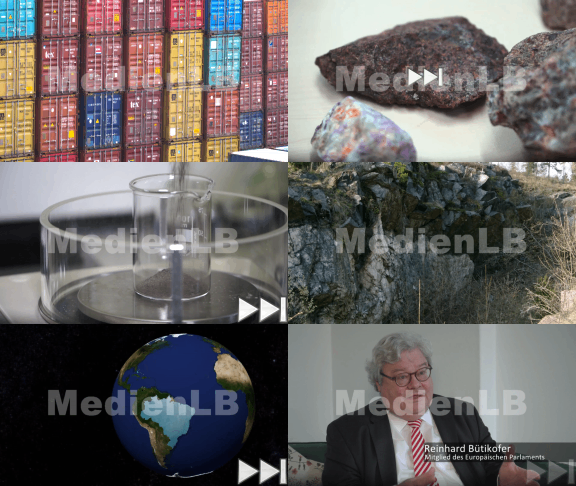
Seltene Erden
Der technische Fortschritt versorgt die Menschheit zuverlässig mit innovativer Technologie. Dies hat die Nachfrage nach spezifischen Rohstoffen, etwa für Mikrochips, Rußpartikelfilter, und Dauermagneten sprunghaft steigen lassen. Metalle wie Lithium, Cer, Neodym und weitere gehören zu den sogenannten „Seltenen Erden“. Der Bedarf nach ihnen hat große geopolitische Auswirkungen, und hat zum Aufstieg Chinas, das den Großteil der Lagerstätten auf seinem Gebiet birgt, entscheidend beigetragen.
Learn more
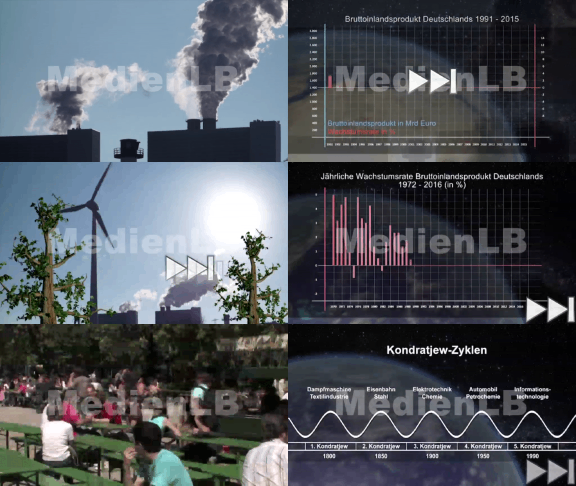
Economic Cycles
»Growth is not everything, that is true. But without growth, everything is nothing. Without growth, no jobs; without growth, no reform of the social security systems; without growth, declining wealth; without growth, more and more people will fall by the wayside.«
Learn more

Sozialismus
Der Unterrichtsfilm beleuchtet die Grundlagen des Sozialismus, der als Gesellschaftsmodell auf Gemeineigentum und Gemeinwirtschaft beruht. Er hielt infolge der Industrialisierung als Gegenmodell zum Kapitalismus Einzug. Doch in den Ländern, wo sich der Sozialismus verbreitet hatte, erwies er sich als ökonomisch ineffizient und führte letztlich zur Einschränkung der menschlichen Grundrechte sowie zur Verletzung der Rechtsstaatlichkeit.
Learn more
High-tech Locations
The satellite dishes of the first terrestrial communications site on German ground in Raisting near the Ammersee have been a symbol of high-tech in Bavaria for decades.
Learn more
MedienLB has been producing award-winning school films and interactive modules for the classroom since 2006.


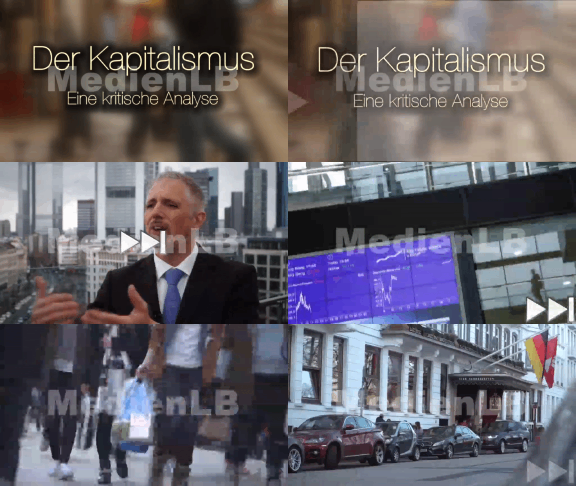
Capitalism
Capitalism is a global economic and social order, in which the means of production such as, for instance, buildings, farmland or technical facilities are in private ownership, and the control of economic activities is effected by the market.
Learn more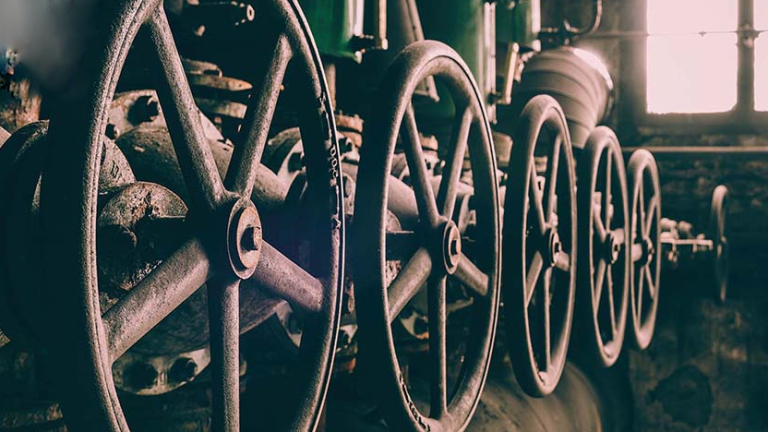

Demography
Demography is the science that examines the structure and dynamics of population. Demographic change describes the dynamics of population size and structure. Tools of the trade for demographers are statistics.
Learn more
World Trade
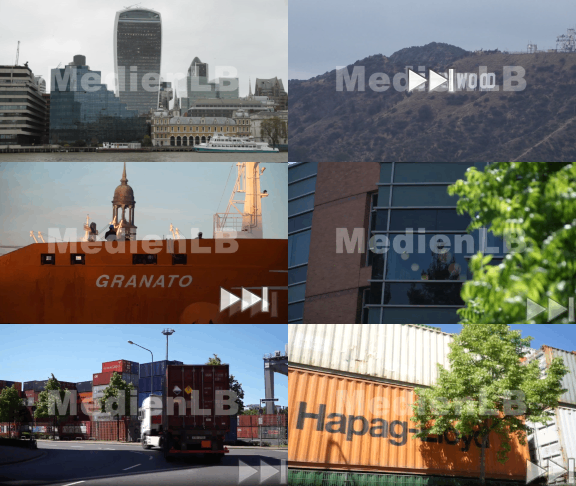
Many of the goods we use every day come from foreign countries and have to be imported into Germany. Without a functioning world trade our range of products would be very limited. Often goods are transported over long distances from A to B before we can use them.
Learn more