







 Geography

4677114 / 5564403
Urbanisation
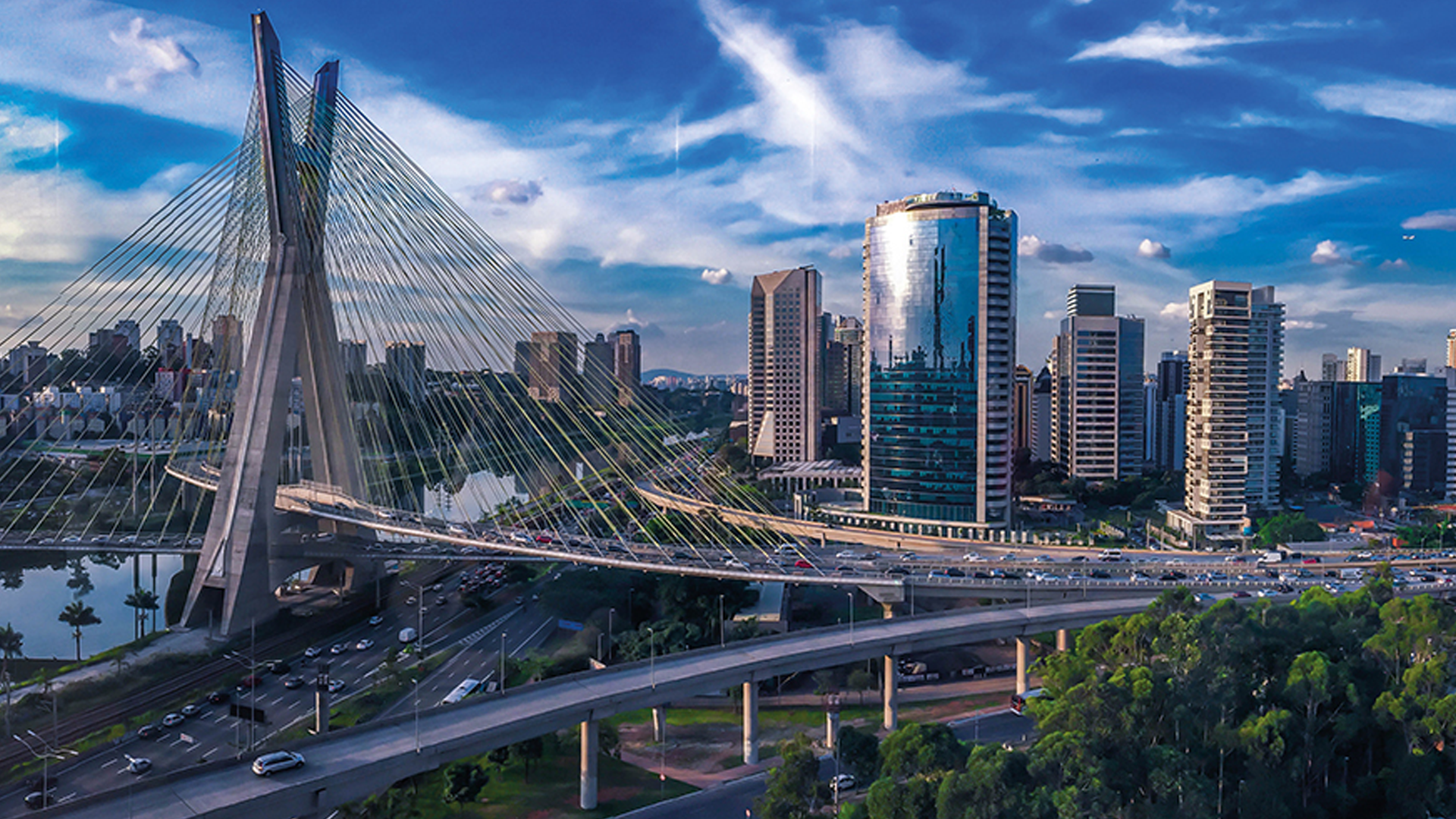
The Emergence of Metropolises
Cities, that is, concentrations of culture areas, existed already in ancient times, but the spread of metropolises worldwide, the so-called metropolisation, has developed at an explosive rate mostly during the last 20 to 50 years not only because metropolises are the economic engines of a world that has become global but also because they are centres of art, education and culture. Fashionable metropolises are hip and trendy.
But metropolisation worldwide also means, apart from increasing pollution and lack of living space, an increase in social exclusion, urban pauperism as well as mushrooming slums and particularly high unemployment levels, above all in the developing countries.
At present about 280 million people live in the twenty biggest metropolises.
With rising tendency.
Curriculum-centred and oriented towards educational standards
Matching

The Daily Newspaper
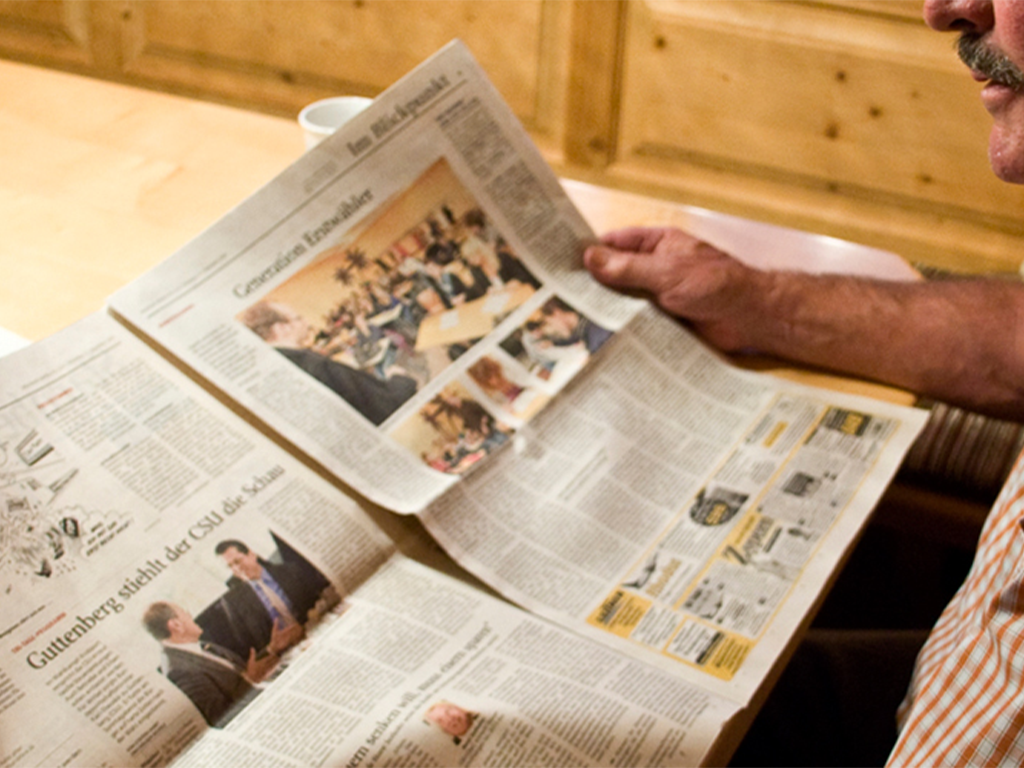
Every day, there is a surge of news reaching us via different news channels. In spite of TV and Internet, the daily paper still is one of the most important main sources of news. But how is a newspaper created? The film shows the production of a paper in the course of one day. Starting with the editorial meeting in the morning, in which the topics and deadlines are determined, the film accompanies a journalist during her research work. You can see how a journalistic interview is conducted and what the photographer must consider when taking a press photo. Back in the editorial office, the editor’s work is illustrated, which includes the page layout and the writing of an online article in today’s time. Impressive pictures from the printing centre depict the process from the digital page to the finished newspaper. Together with the comprehensive accompanying material, the DVD is perfectly suited for use at school
Inclusion
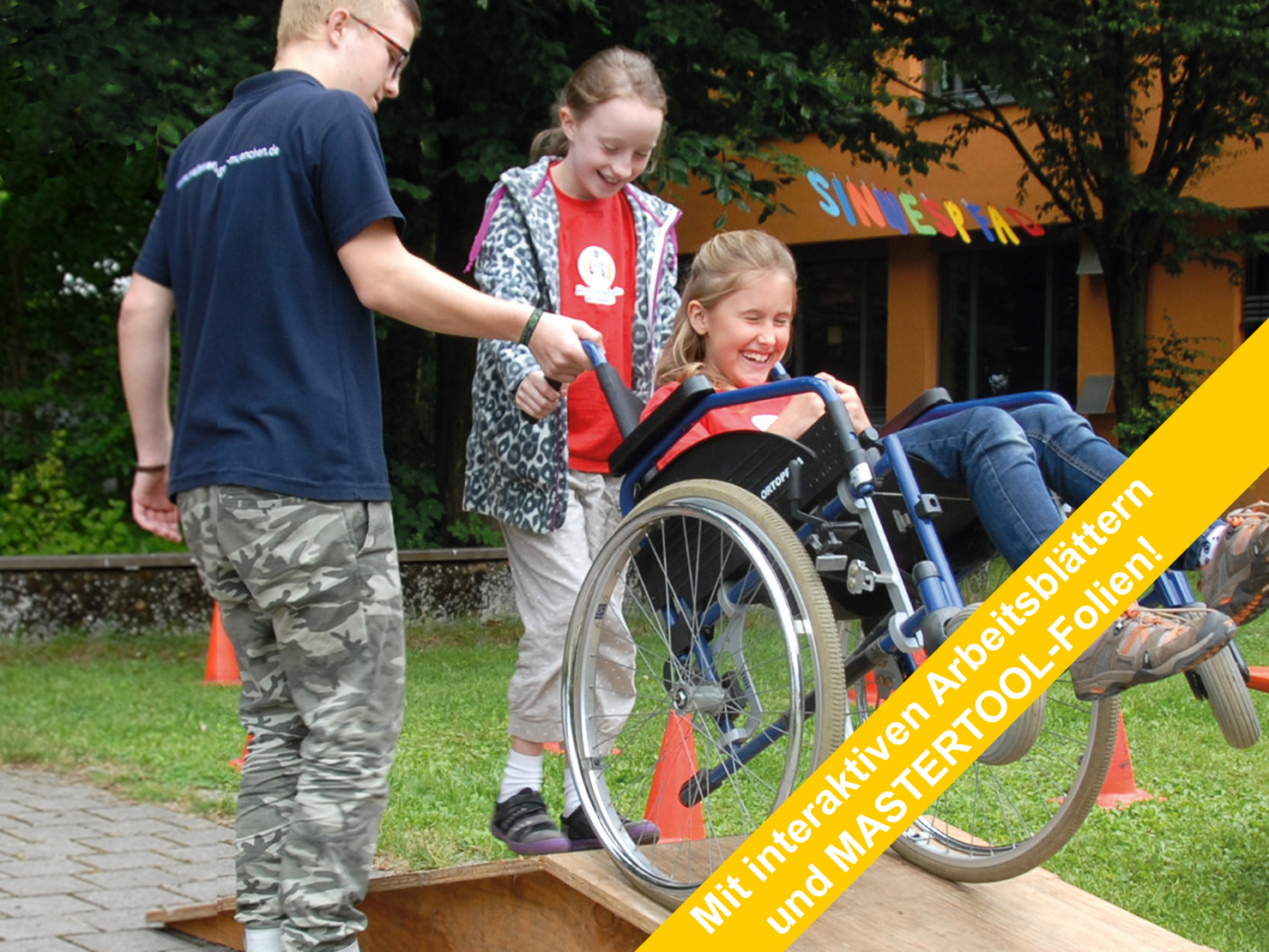
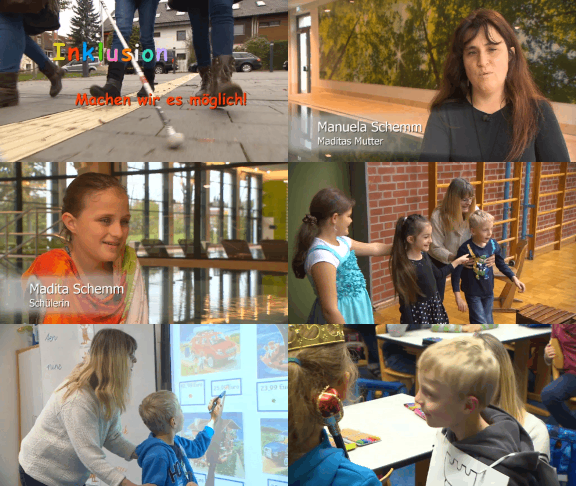
Madita is eleven and blind. She does not want to go to a special school but to a regular grammar school. She says she feels "normal" there. Jonathan is eight and has a walking disability. He likes going to the school where he lives. Here, his best friend sits next to him. Max Dimpflmeier, a teacher who is severely deaf, explains that school life is not easy. Quote Max Dimpflmeier: "You don't want to attract attention, you want to avoid saying that it is necessary for you that 70 people adjust to your situation." People on their way to inclusion.

Seal of approval
Quality seals such as the "Bio-Siegel", "Blauer Engel", "Stiftung Warentest" and up to 1,000 other seals represent characteristics such as sustainability, health or safety with regard to a product, a service or even a company.