







 Geography
46503510 / 55502984
Geologic Activities
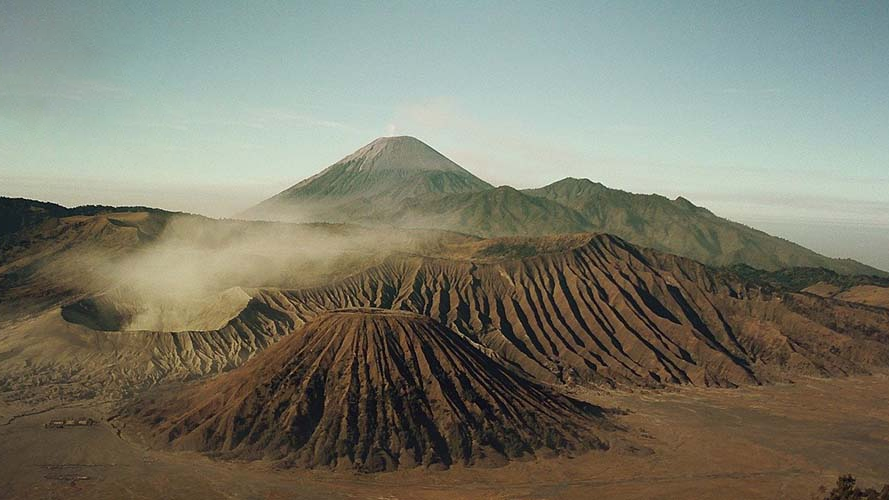
Volcanoes, Geysers, Continental Plates
The formation of our earth began according to today’s knowledge from a huge cloud of dust and gases about 4.6 billion years ago.
Very vividly and clearly structured, the film depicts plate tectonics on the outer cooled earth shell. The continental plates drift apart, collide or push past each other.
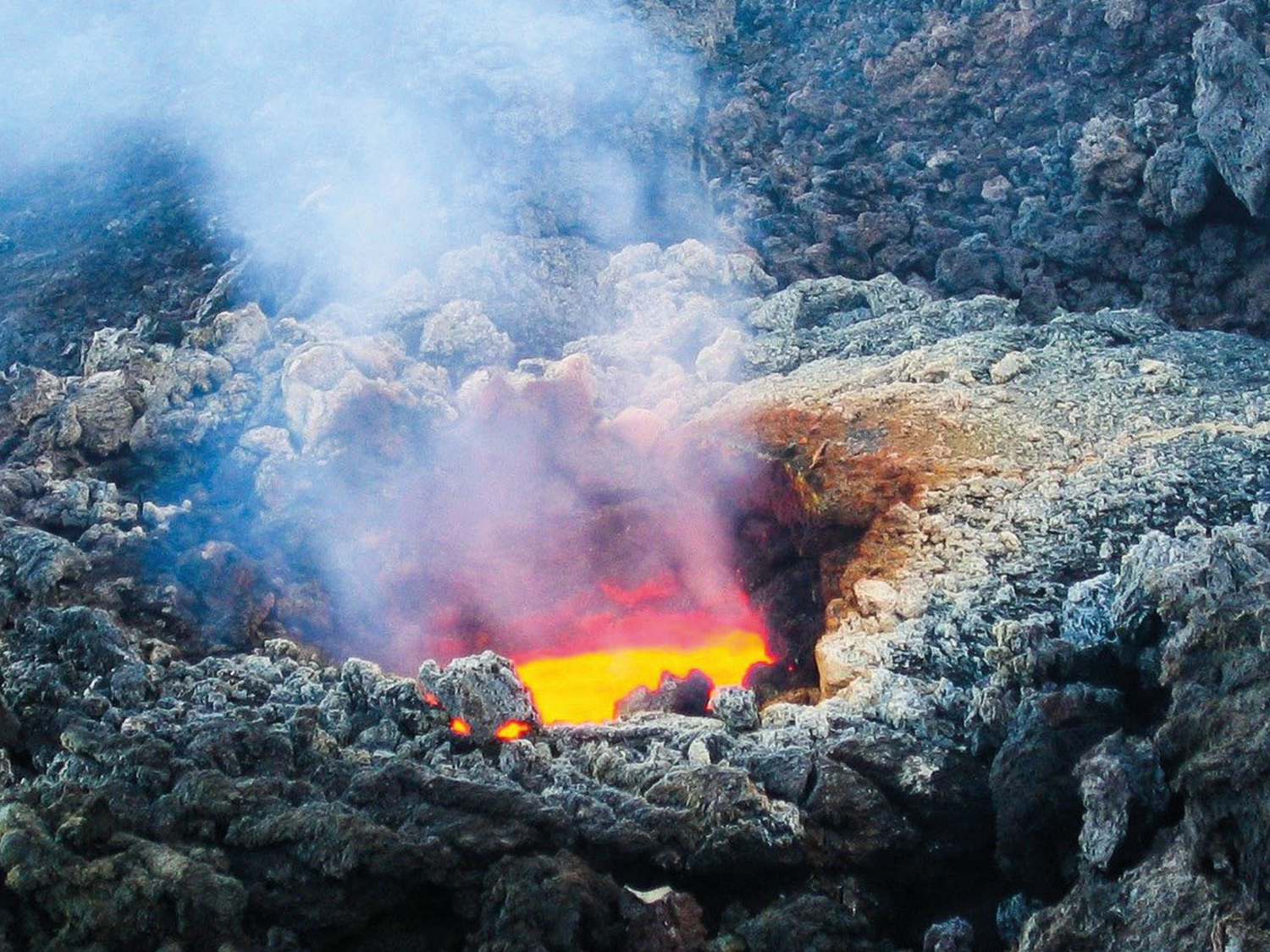
Numerous spectacular shots from Iceland show the earth’s activity in action.
In some places, the enormous heat from deep within the Earth is conducted outward as if through a valve. Volcanoes are formed where the hot viscous rock from the interior of the earth reaches the outside.
Geysers and hot springs are formed because water is heated underground by volcanic activity and then makes its way to the surface through a maze of cracks and crevices.
In combination with the extensive additional material (worksheets, interactive tasks), this medium can be used excellently in the classroom.
In the detailed data section of the DVD 91 pages of teaching and accompanying material, of which:
26 pages of worksheets and supplements with solutions
17 test tasks
10 interactive tasks
Curriculum-centred and oriented towards educational standards
Matching
Peer Mediation
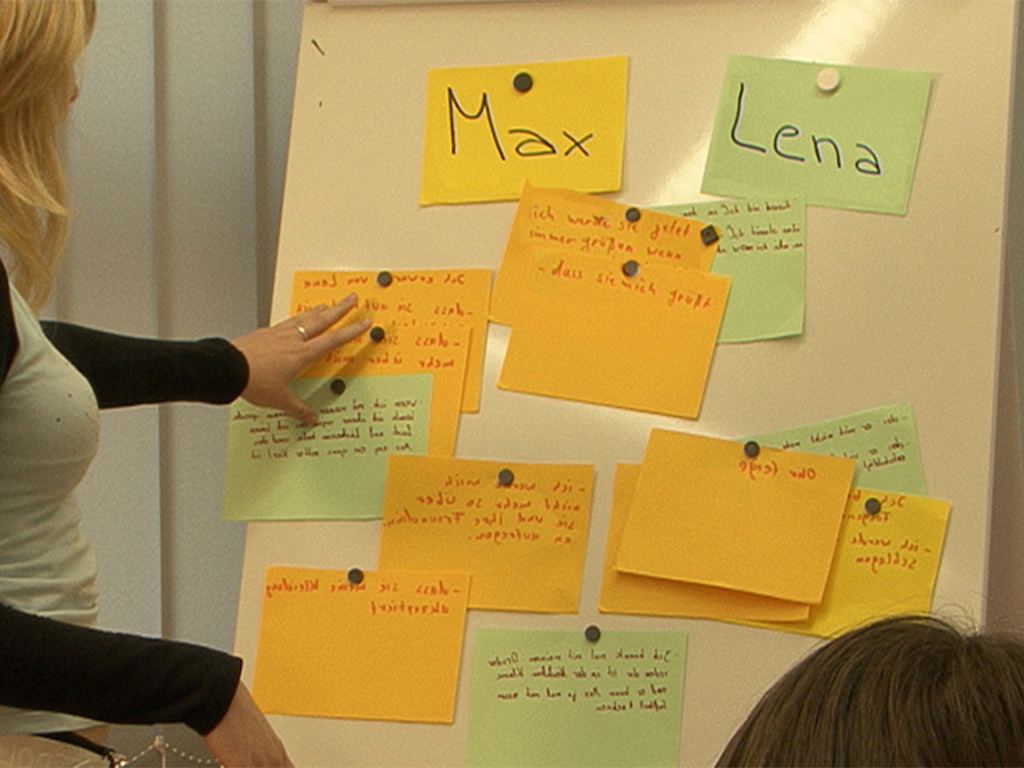
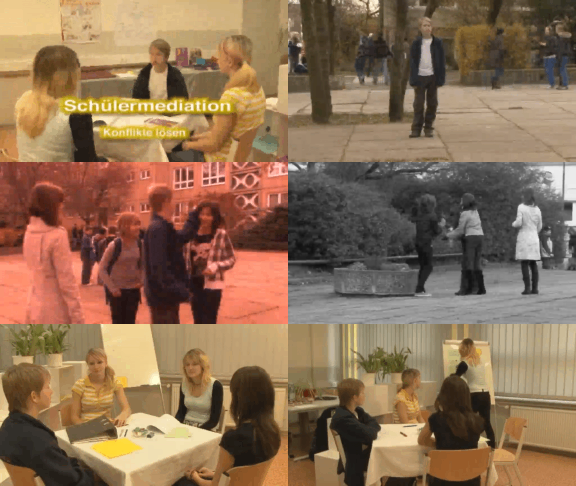
Lena and Max attend the 7th form. Max is new in class. During a break, Max notices that Lena and her friend are laughing at him again. Max loses his temper! He slaps Lena in the face. That hurts and Lena runs back into the classroom with a red cheek. The growing conflict between the two has escalated. Just like Lena and Max, every day pupils all over Germany have rows with each other. At the Heinrich Hertz Gymnasium in Thuringia, pupils have been trained as mediators for years. At set hours, they are in a room made available by the school specifically for mediation purposes. The film describes the growing conflict between Max and Lena and shows a mediation using their example. In doing so, the terms “conflict” and “peer mediation” are explained in a non-technical way. The aims of peer mediation and its progress in five steps as well as the mediators’ tasks are illustrated. The art of asking questions and “mirroring”, which the mediators must know, is described and explained. Together with the comprehensive accompanying material, the DVD is a suitable medium to introduce peer mediation at your school, too.
Ceramic
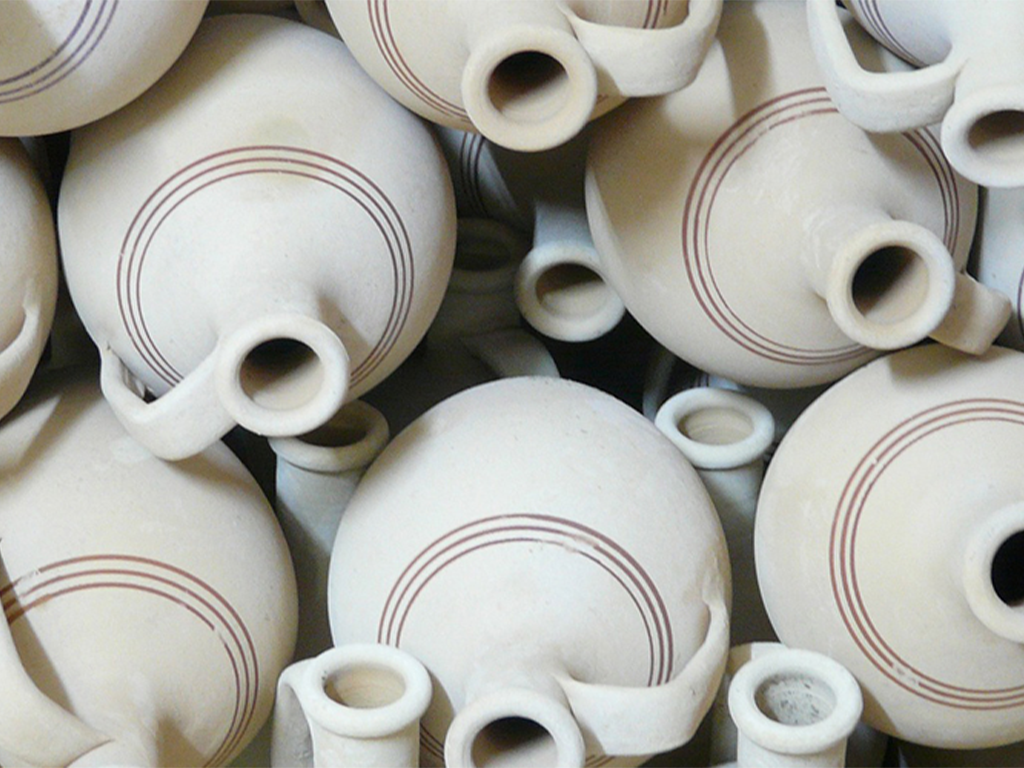
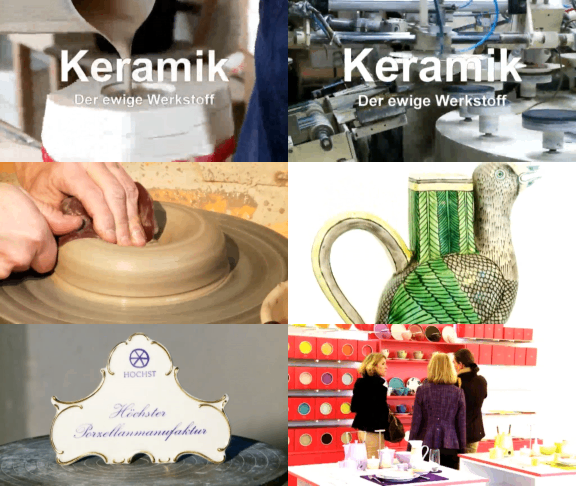
Ceramics are indispensable in our everyday lives. We eat from ceramic plates, drink from ceramic cups, use tiled ceramic bathrooms. But how is ceramic manufactured? The film reveals the secrets of this fascinating material! We get to know more about the beginnings of ceramic in the Old World of Egypt and Mesopotamia, about Greece, China and Rome. We gain interesting insights into the valuable earthenware and are also shown the exquisite further development of the "white gold". Today this versatile material is irreplaceable in industry, too. Whether in space or as an easily compatible substitute in medicine, ceramic is applied in many places.
Racism
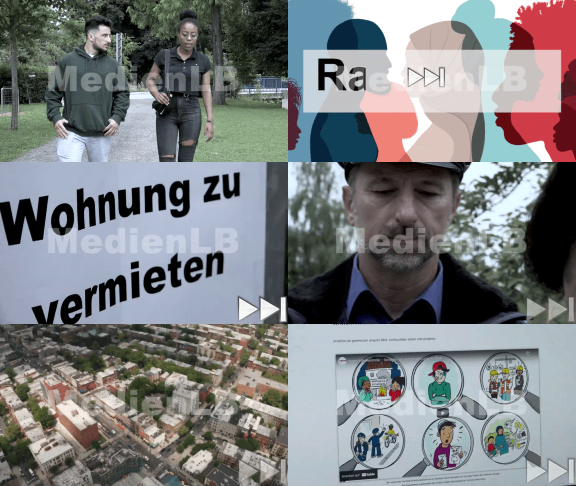
Do you perhaps know that?