







 Biology, Primary School

4675554 / 5563702
Ducks
Appearance, Behaviours, Species
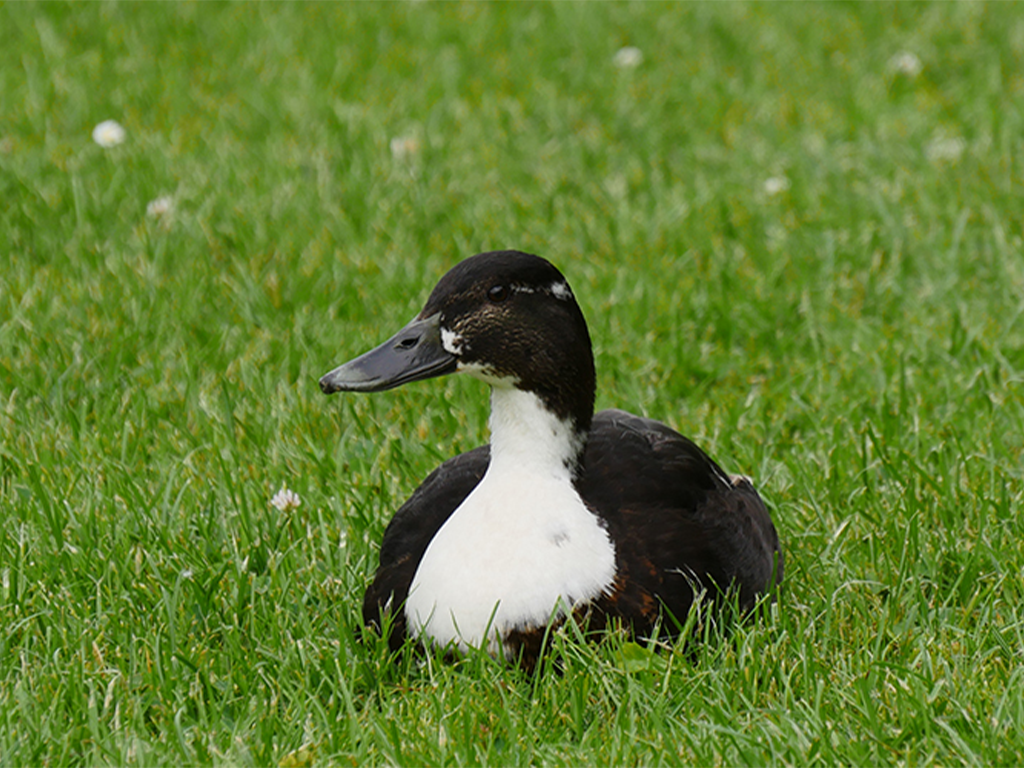
Ducks are our best-known water birds. You can watch them on almost any large body of water. Although we come across them frequently, most of us know very little about the lives of ducks. But it is worth our while to look at them more closely.
Ducks, geese and swans, too, are counted among the family of Anatidae. But how is a duck distinguished from a goose or a swan?
Ducks are small in comparison to their relatives. Depending on the species, they are pigeon or chicken sized. Their necks are mostly shorter than those of swans or geese. The duck’s bill is broad and flat in many species. And often the males of the ducks – contrary to geese or swans – are gaudily coloured.
- <> Languages : DE, EN, TR
- <> Target Groups : FÖ, GRU, Sek I
- <> Subject : Biology, Primary School
- <> Length : 13:38 min
- View in learning platform
Licenses
Curriculum-centred and oriented towards educational standards
Matching
Stalking
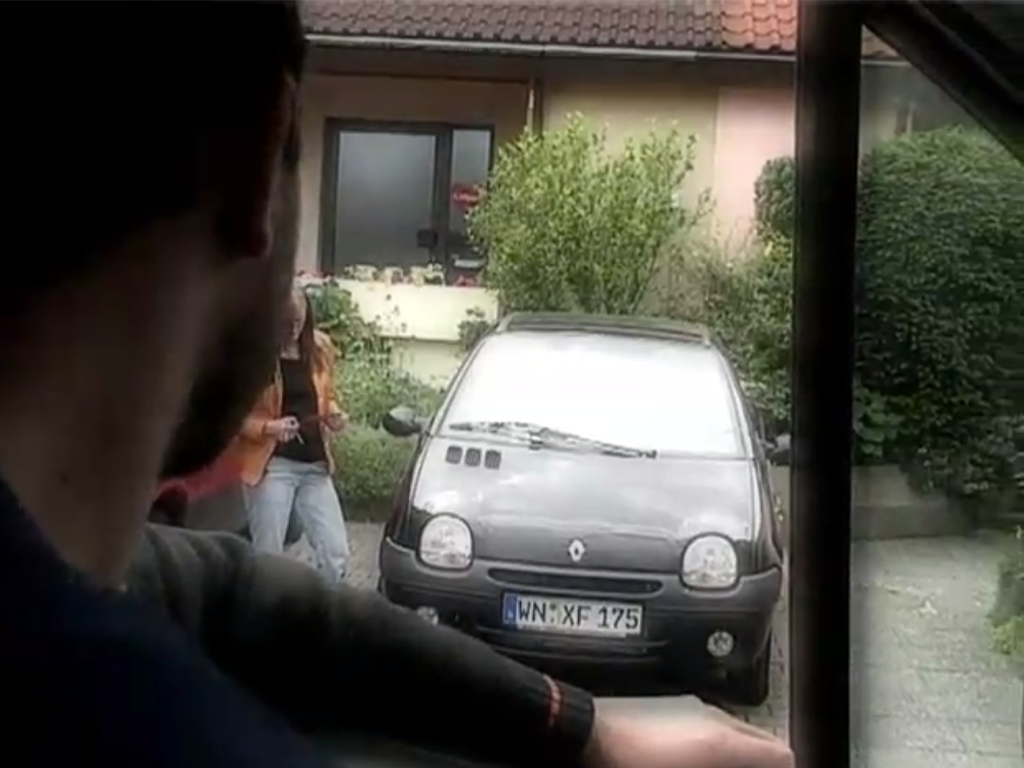
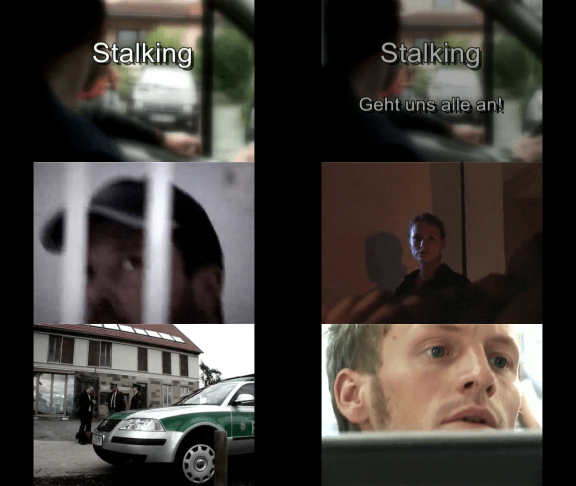
n Germany, 12 % of all federal citizens are pursued by a stalker once in their lives. And not only celebrities are among their victims! Everyone may be confronted with such a situation.


Internet Addiction
The film consists of two parts. The first part is the 15-minute short film “In the Net”. It describes the problem of excessive Internet use in a humorous way, in particular the risk of losing touch with reality when chatting. The second part illustrates with three real persons how Internet addiction can develop and the problems encountered by those who are afflicted. The authentic statements are commented by an experienced therapist. For many pupils, the issues addressed here are related to their everyday lives. What is a “sensible” use of the Internet, where does pathological addiction start? In contrast to addiction to alcohol, nicotine or drugs, the public seems to be largely ignorant of the problem of this addiction, which is not related to any substance abuse. The film provides material for discussion in the classroom (crossdisciplinary) and can be used as a basis for the formulation of prevention strategies.

Tolerance
“Tolerance means being generous and kind to other people and helping them, too.”