







 Biology, Primary School


4677065 / 5564360
Typical Boy, Typical Girl
Innate and Acquired
QUOTE girl:
“Lots of girls play with Barbie dolls.”
QUOTE boy:
“Typical boys, that’s rather … more football and more fighting …”
QUOTE girl:
“Boys often fight and girls shriek.”
QUOTE boy:
“Fighting for fun!”
QUOTE girl:
“Girls, they just have to look good…”
QUOTE boy:
“Barbies, horses, blah blah blah …”
QUOTE girl:
“Typical of girls is often wearing dresses.”
QUOTE boy:
“Here, most of the time, boys always play football and the girls do hula hoop or so.”
QUOTE girl:
“Girls adore make up when they are older and boys just find themselves cool …”
QUOTE girl:
“With cap, Nike or Adidas shoes …”
QUOTE girl:
“My friends like playing football, too, and they are girls.”
QUOTE boy:
“I don’t really like football.”
QUOTE girl:
“But girls can be also strong!”
QUOTE:
“I don’t know, I’m not a girl.”
QUOTE girl:
“I’ve got no idea about boys!”
- <> Languages : DE, EN
- <> Target Groups : GRU, Sek I
- <> Subject : Biology, Primary School
- <> Length : 22:56 min
- View in learning platform
Licenses

Curriculum-centred and oriented towards educational standards
Matching

Stalking
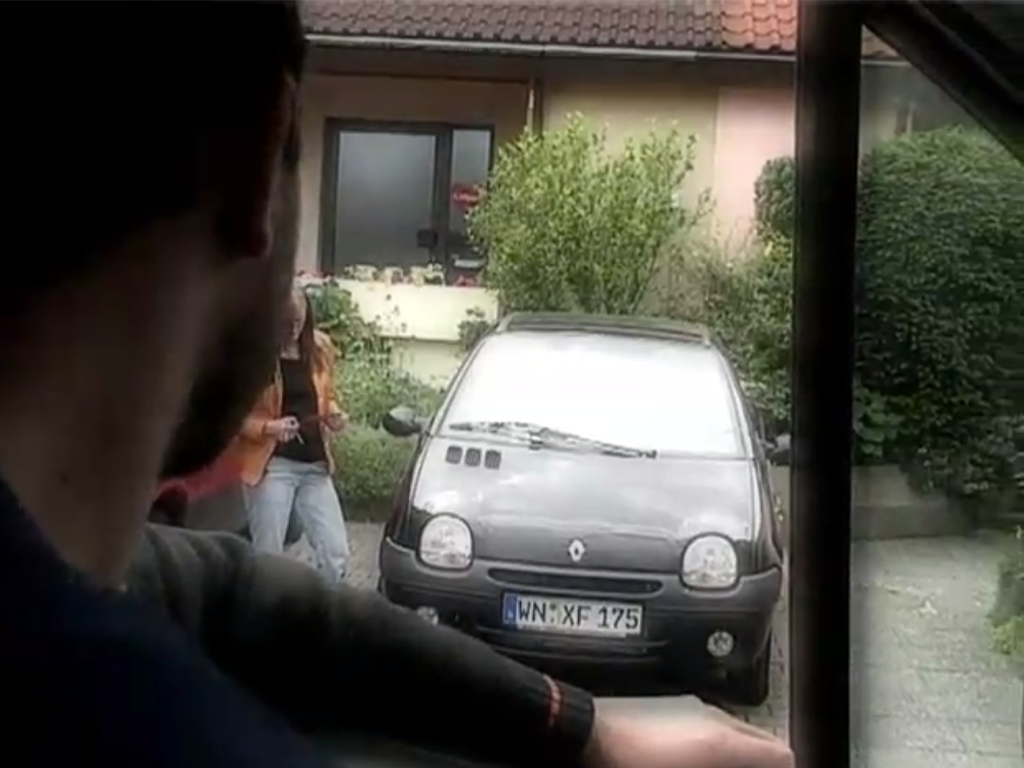
n Germany, 12 % of all federal citizens are pursued by a stalker once in their lives. And not only celebrities are among their victims! Everyone may be confronted with such a situation.
Peer Mediation
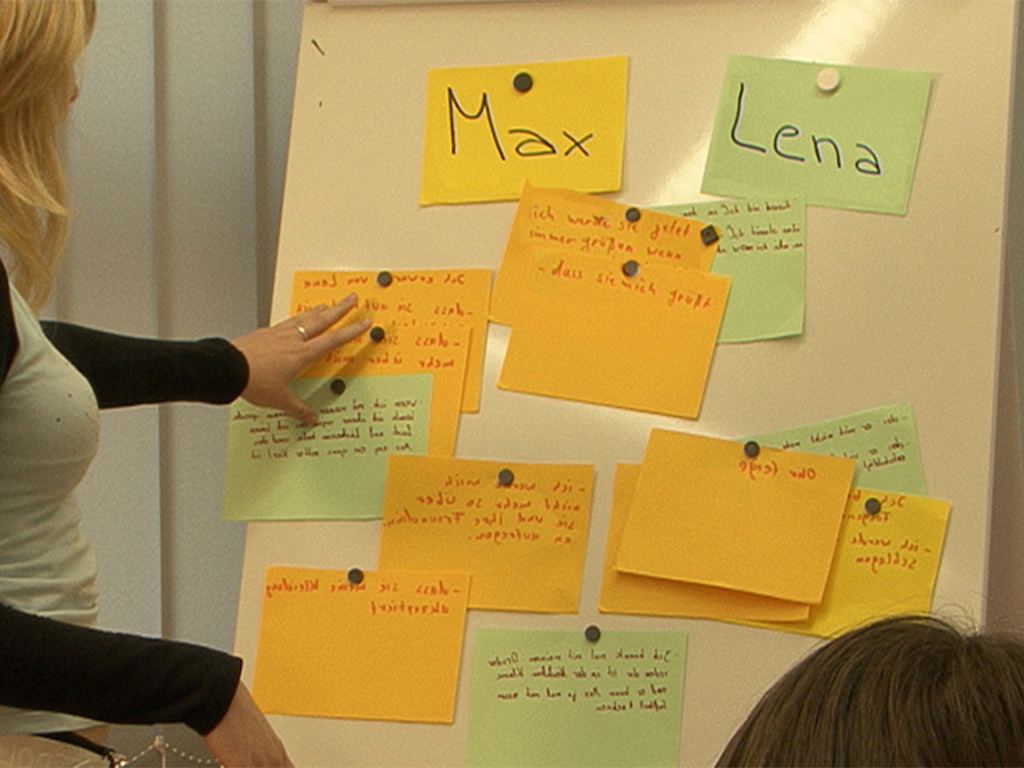
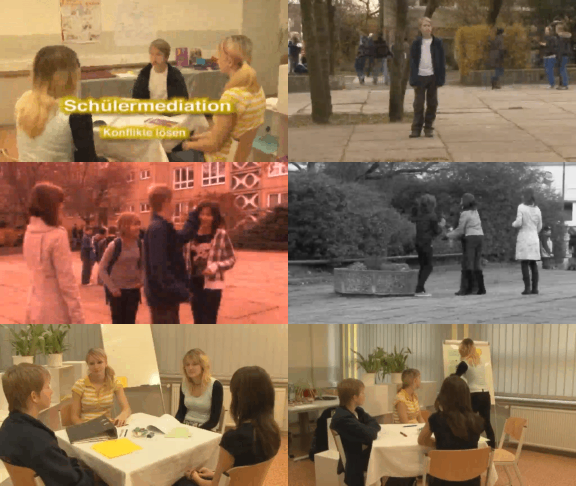
Lena and Max attend the 7th form. Max is new in class. During a break, Max notices that Lena and her friend are laughing at him again. Max loses his temper! He slaps Lena in the face. That hurts and Lena runs back into the classroom with a red cheek. The growing conflict between the two has escalated. Just like Lena and Max, every day pupils all over Germany have rows with each other. At the Heinrich Hertz Gymnasium in Thuringia, pupils have been trained as mediators for years. At set hours, they are in a room made available by the school specifically for mediation purposes. The film describes the growing conflict between Max and Lena and shows a mediation using their example. In doing so, the terms “conflict” and “peer mediation” are explained in a non-technical way. The aims of peer mediation and its progress in five steps as well as the mediators’ tasks are illustrated. The art of asking questions and “mirroring”, which the mediators must know, is described and explained. Together with the comprehensive accompanying material, the DVD is a suitable medium to introduce peer mediation at your school, too.
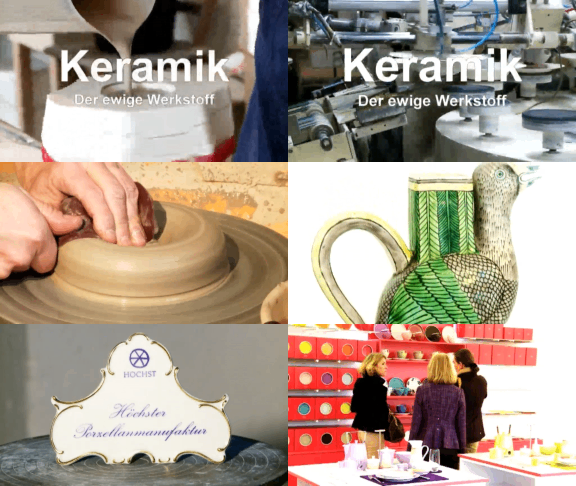
Ceramic
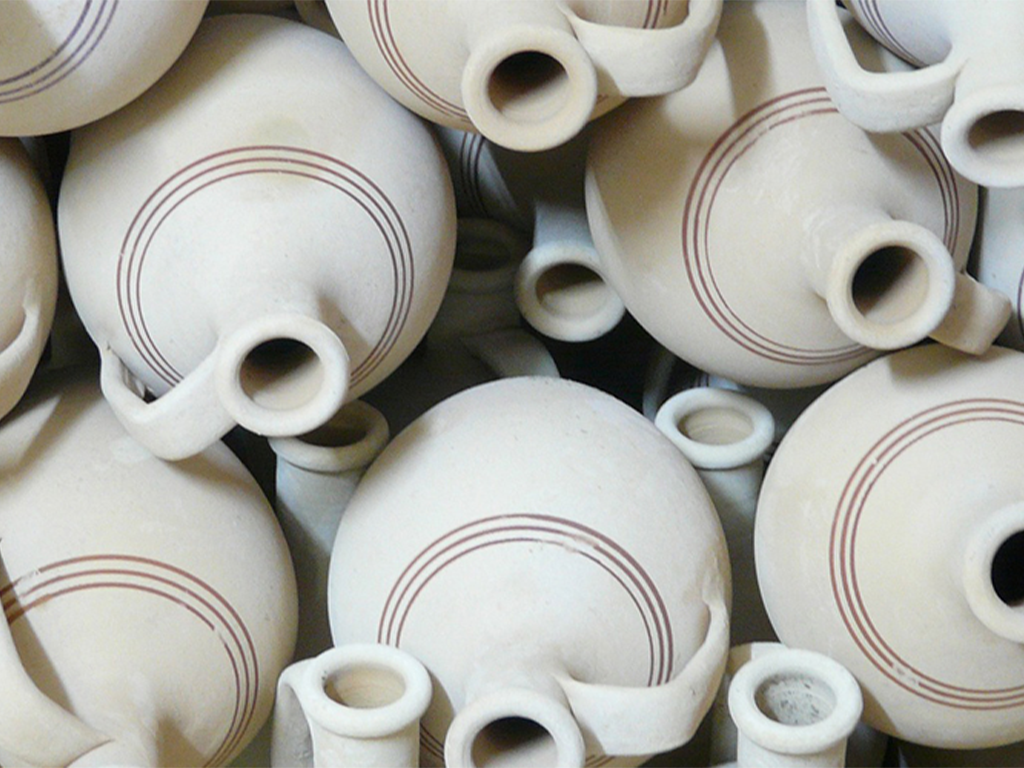
Ceramics are indispensable in our everyday lives. We eat from ceramic plates, drink from ceramic cups, use tiled ceramic bathrooms. But how is ceramic manufactured? The film reveals the secrets of this fascinating material! We get to know more about the beginnings of ceramic in the Old World of Egypt and Mesopotamia, about Greece, China and Rome. We gain interesting insights into the valuable earthenware and are also shown the exquisite further development of the "white gold". Today this versatile material is irreplaceable in industry, too. Whether in space or as an easily compatible substitute in medicine, ceramic is applied in many places.