







 Biology

4677067 / 5564362
Elephants
Anatomy, Sense, Behavior
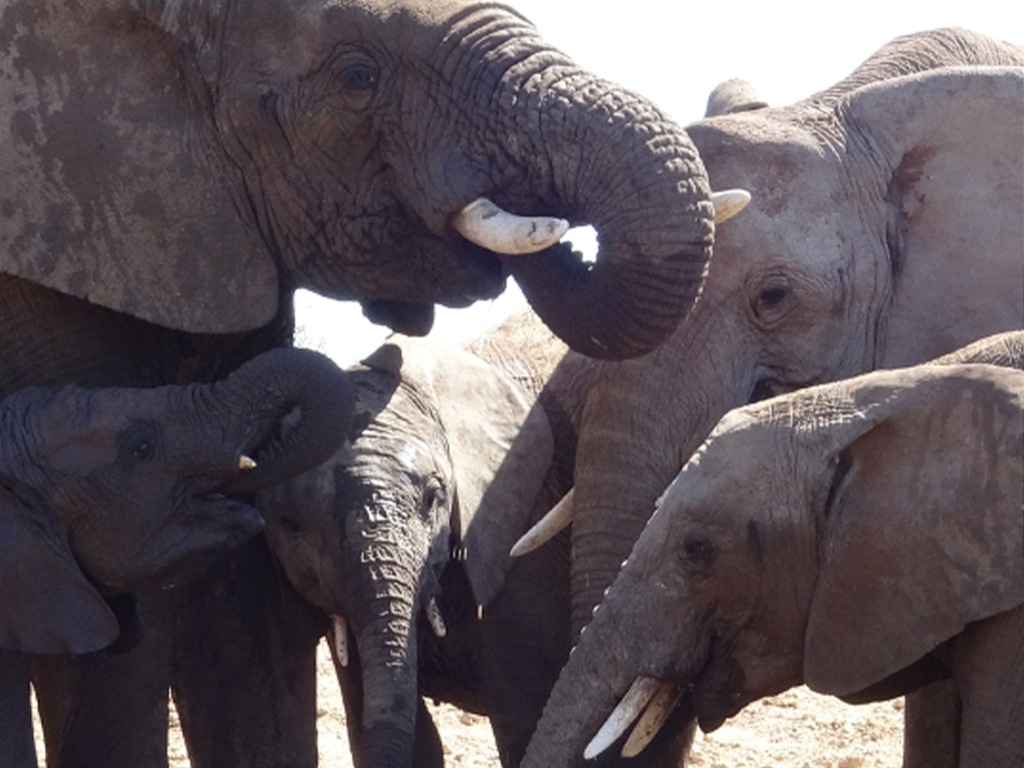
Elephants belong to the order of Proboscidea.
On the one hand they are classed with the highly developed mammals, on the other hand we consider them quite primeval animals. Which is not too far out because a near relation, the mammoth, still lived during the last ice age. They developed from the stegodonts already during the Pliocene and their evolution can be traced back about 50 million years.
Today elephants count among the animals threatened by extinction worldwide, and only two subgroups with one species each are left; the African and the Asian elephant.
Their worldwide dissemination, like at the Tertiary period and the ice age, has long been a thing of the past.
The relationship between man and elephant varies widely. In mythology and in Hinduism and Buddhism they are sometimes idolised. The image shows the god Ganesha, one of the Hindu gods.
In other areas the elephant symbolises wisdom, strength and power.
- <> Languages : DE, EN
- <> Target Groups : Sek I, Sek II
- <> Subject : Biology
- <> Length : 27:59 min
- View in learning platform
Licenses
Curriculum-centred and oriented towards educational standards
Matching
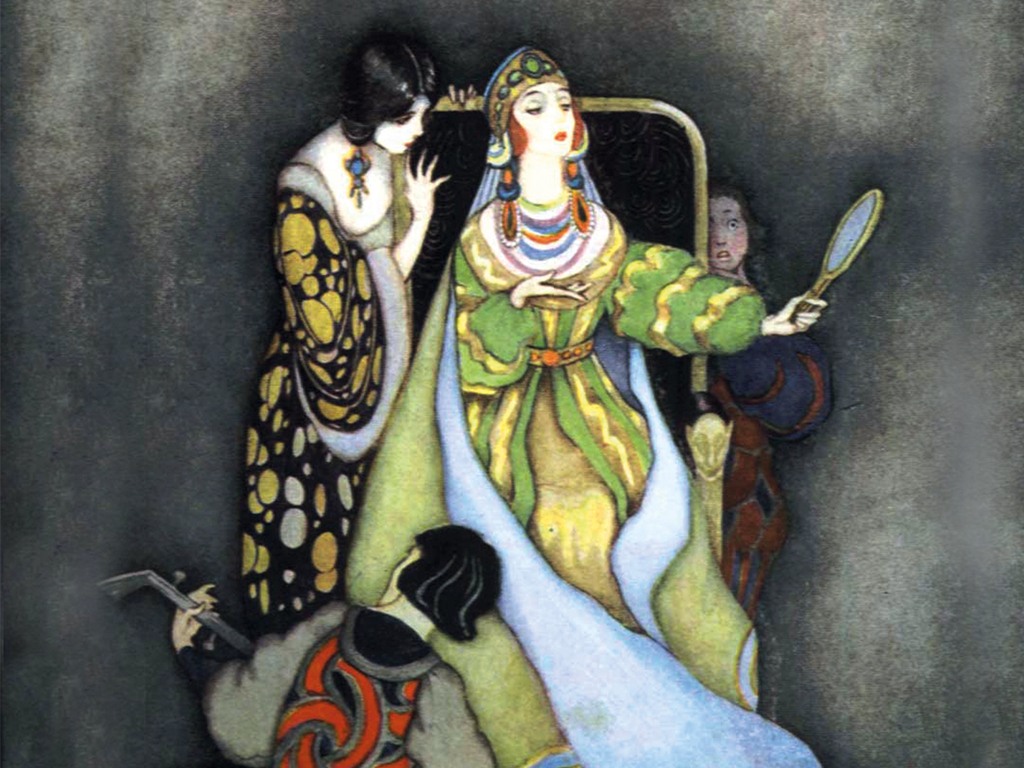

Ideals of Beauty
1. What Is Beautiful?


Rights and Obligations
Three girls of different ages: Anna is 17, Paula 15 and Lena 13. Before the law, their respective ages have consequences – because children and adolescents have different rights and also obligations.
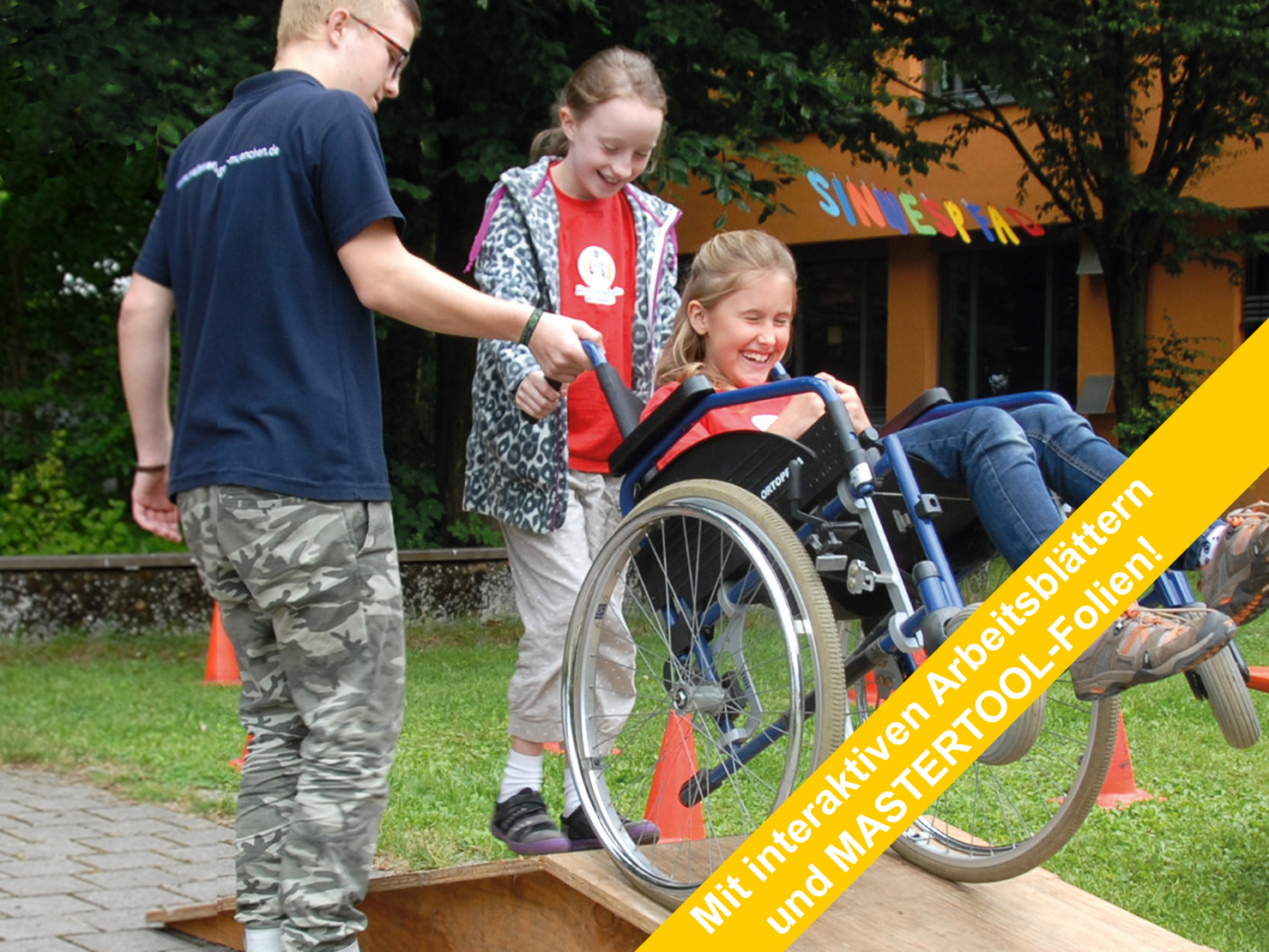
Inclusion
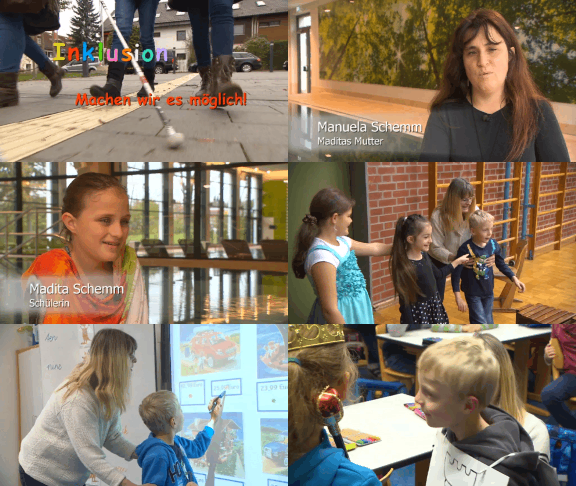
Madita is eleven and blind. She does not want to go to a special school but to a regular grammar school. She says she feels "normal" there. Jonathan is eight and has a walking disability. He likes going to the school where he lives. Here, his best friend sits next to him. Max Dimpflmeier, a teacher who is severely deaf, explains that school life is not easy. Quote Max Dimpflmeier: "You don't want to attract attention, you want to avoid saying that it is necessary for you that 70 people adjust to your situation." People on their way to inclusion.