







 Biology
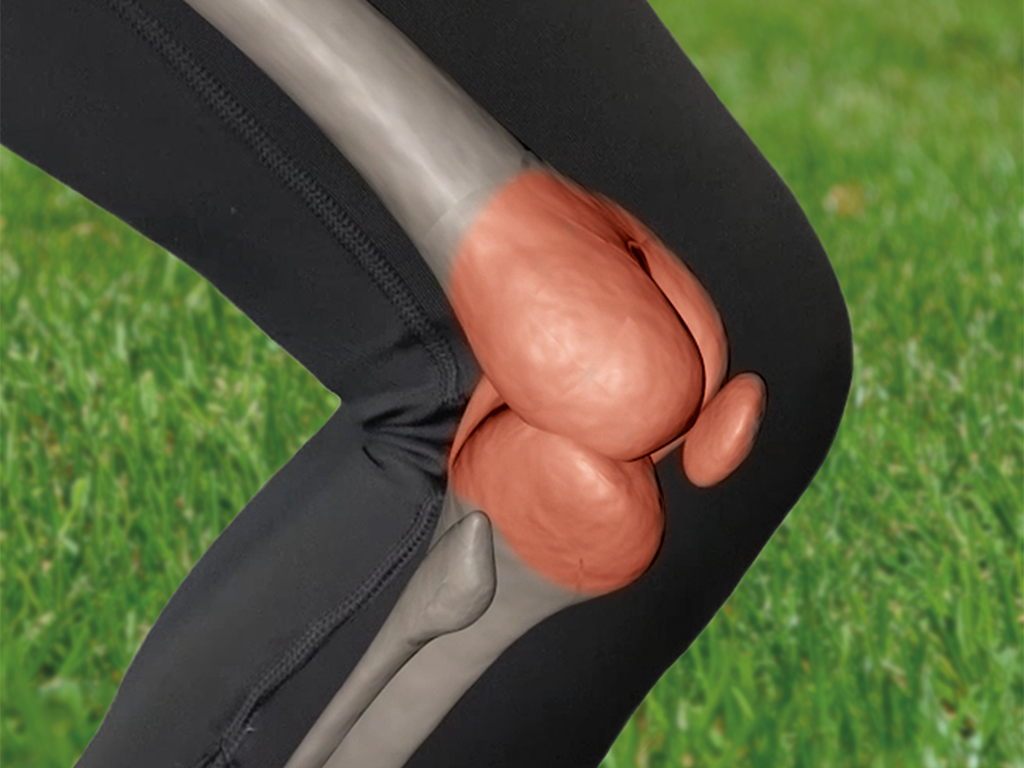
46500490 / 55500338
Joints
Structure and Function
To begin with, we distinguish between so-called “real“ and “fake” joints.
Unlike “real” joints, which are separated from each other by a joint space, “fake“ joints form an immovable connection between bones and are therefore called synarthroses. Synarthroses have limited mobility. Their purpose is to hold the bones firmly together thus stabilising our skeletons.
Synarthrosis joints can be bony, fibrous or cartilaginous. Depending on the type of connecting material, they are referred to as
synostoses, synchondroses or syndesmoses.
Among the syndesmotic joints, where two bones are connected by elastic or tout connective tissue, are the ligaments supporting the vertebral column.
The rib cartilage, connecting ribs and sternum, as well as the intervertebral discs belong to the cartilaginous joints.
With the synostotic joints, the connection of the individual bones consists of bone mass. Among them are cranial bones after ossification of the sutures as well as the sacrum with the superior articular processes, the sacral lamina, the lateral part and the sacral apex.
Curriculum-centred and oriented towards educational standards
Matching
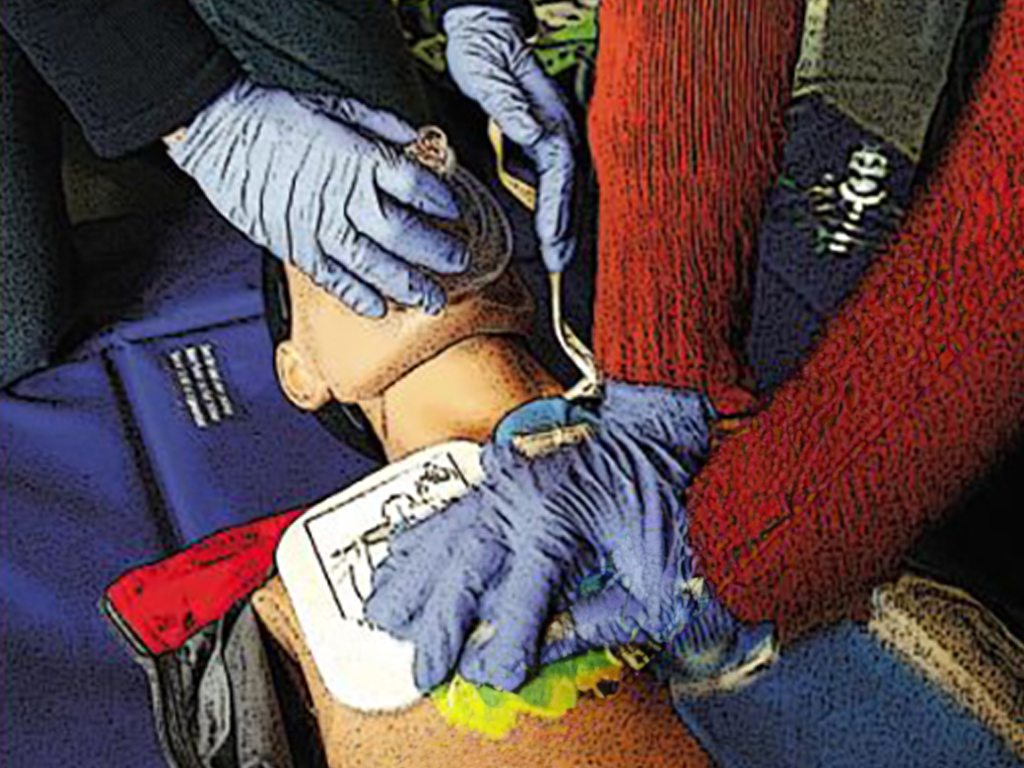

Resuscitation
It can happen to anyone – of any age, in any place, at any time. Sudden cardiac arrest may quickly prove fatal. Immediate action is called for! Just remember: Check Call Press Anyone can do it. You can't do anything wrong!


Rights and Obligations
Three girls of different ages: Anna is 17, Paula 15 and Lena 13. Before the law, their respective ages have consequences – because children and adolescents have different rights and also obligations.

Air Traffic
Being able to fly has been a dream of humanity from time immemorial. But it does not even date back a century that people actually started being able to travel through the air. Since the 1960s, the number of flight passengers has been constantly increasing. Thus, the airspace is no longer dominated by birds but by man-made flying objects.