







 Preschool

4664220 / 5553659
Research Made Easy
Discover the World
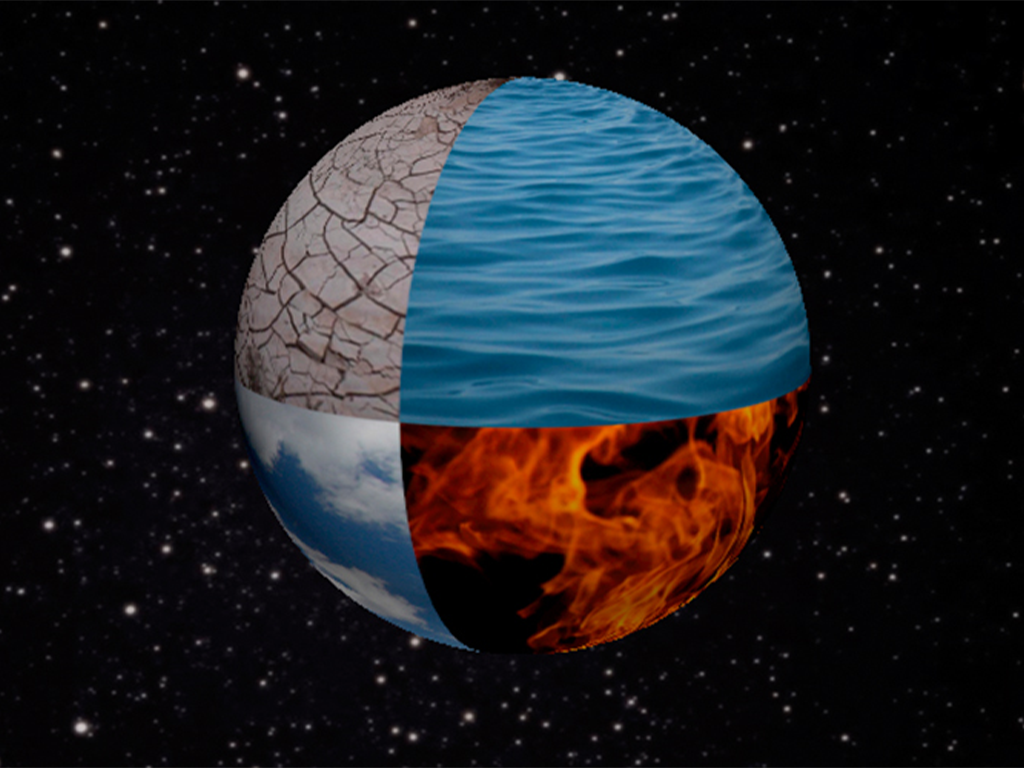
There are people who much enjoy finding out things that nobody has found an answer to yet. These people are called scientists. They work to ensure that we humans are able to understand our world better. They discover lots of things that nobody knew before. Or they discover something that occurred so long ago that there is nobody who can remember it any more.
Play trailer
- <> Languages : DE, EN, TR
- <> Target Groups : ELE, FÖ, GRU, GS
- <> Subject : Preschool
- <> Length : 27:18 min
- View in learning platform
Licenses

Curriculum-centred and oriented towards educational standards
Matching

Resuscitation
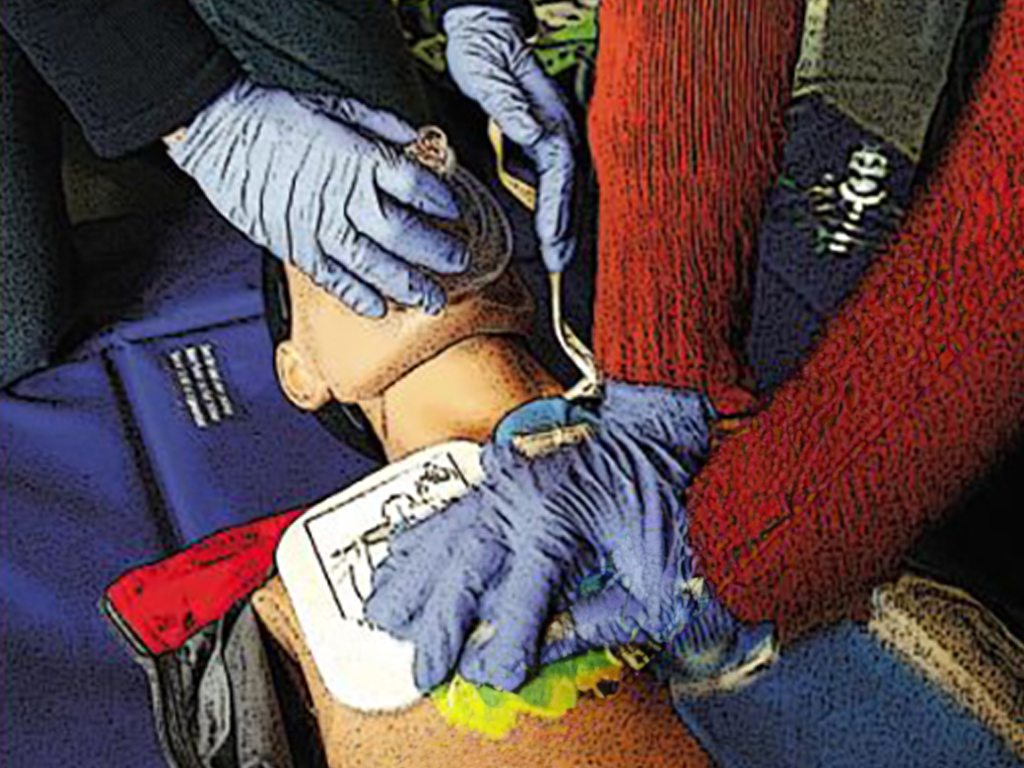
It can happen to anyone – of any age, in any place, at any time. Sudden cardiac arrest may quickly prove fatal. Immediate action is called for! Just remember: Check Call Press Anyone can do it. You can't do anything wrong!
Youth Movement
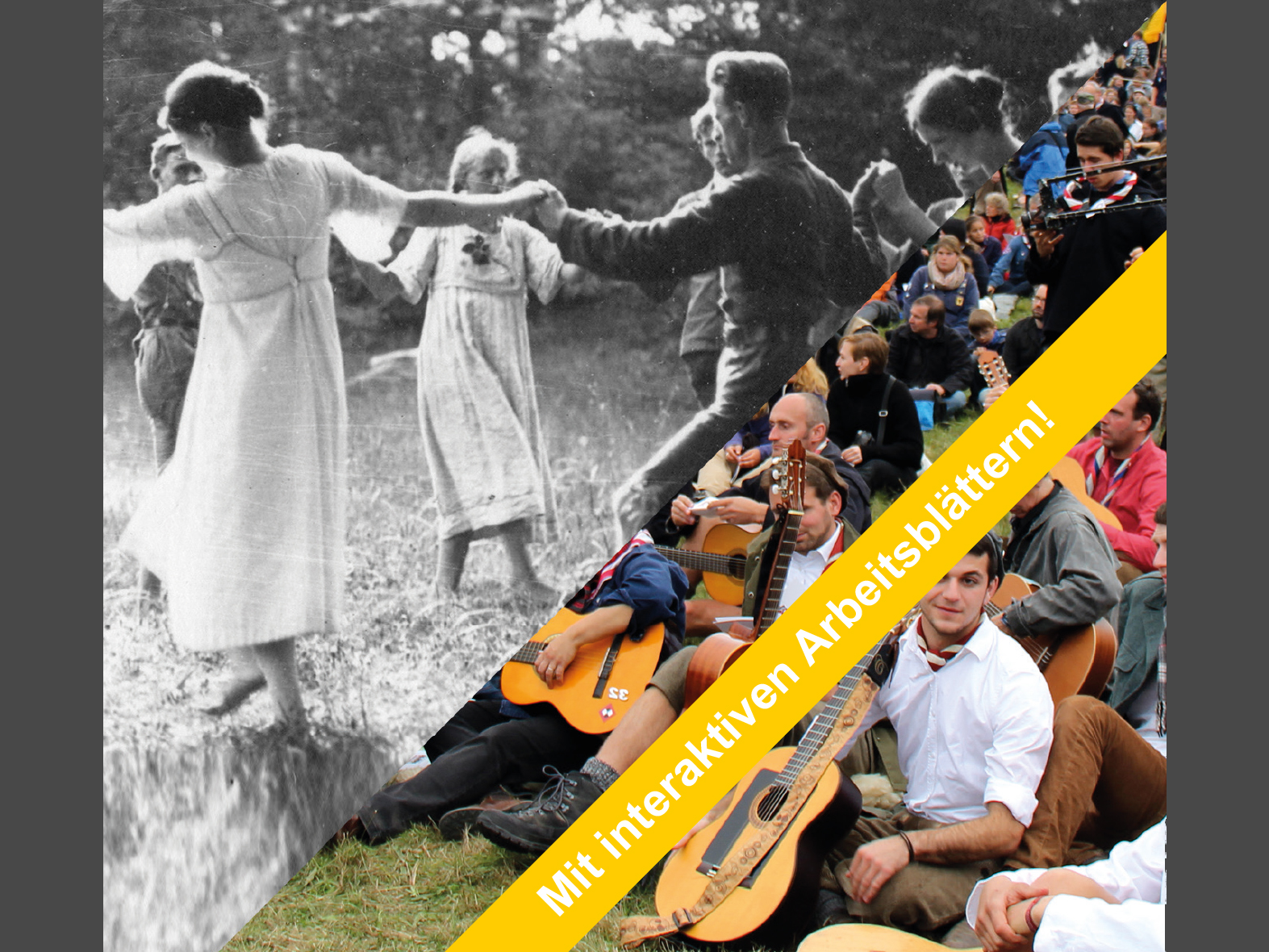
Dancing until your feet hurt: Here, at the meeting on the Hoher Meissner near Kassel, 3,500 participants from Boy Scout associations, youth and Wandervogel groups from all over the German-speaking region have gathered. They want to celebrate, simply get to know each other and commemorate a historic anniversary.
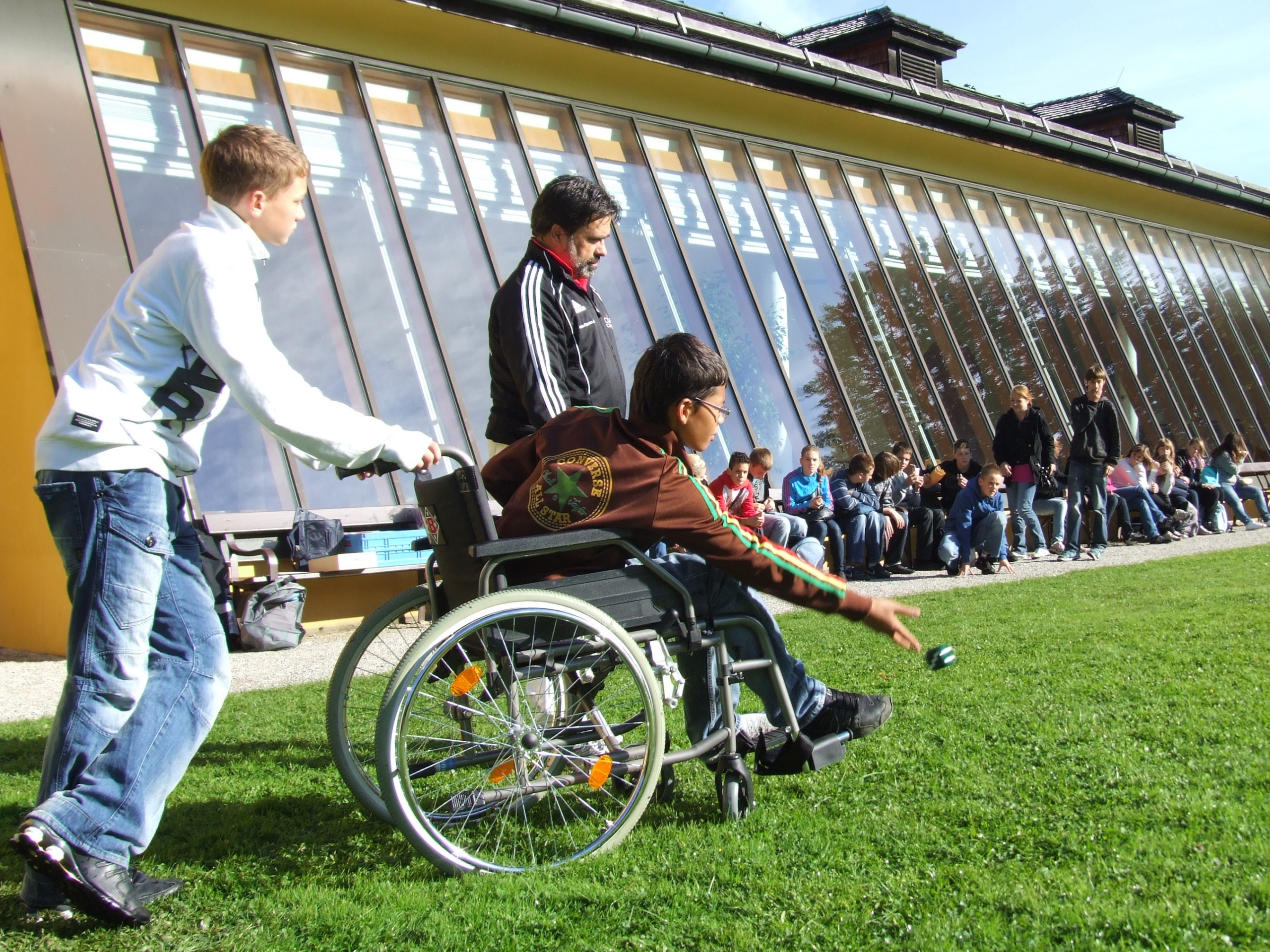
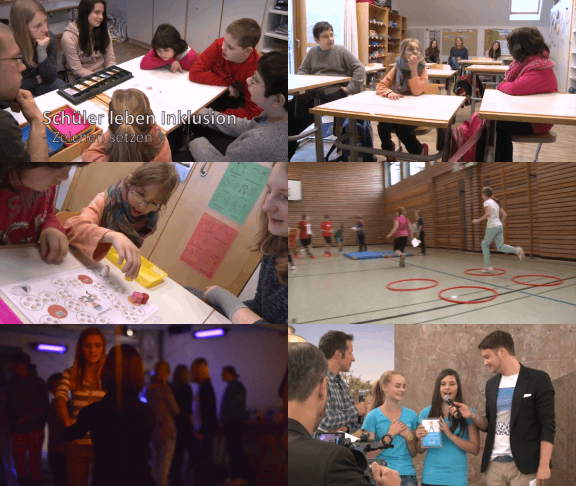
Pupils Practise Inclusion
When people come together, no matter under what concomitant circumstances – ultimately, it is about how these people meet and how openly they interact with one another.