







 Media Education, Society

46503502 / 55502976
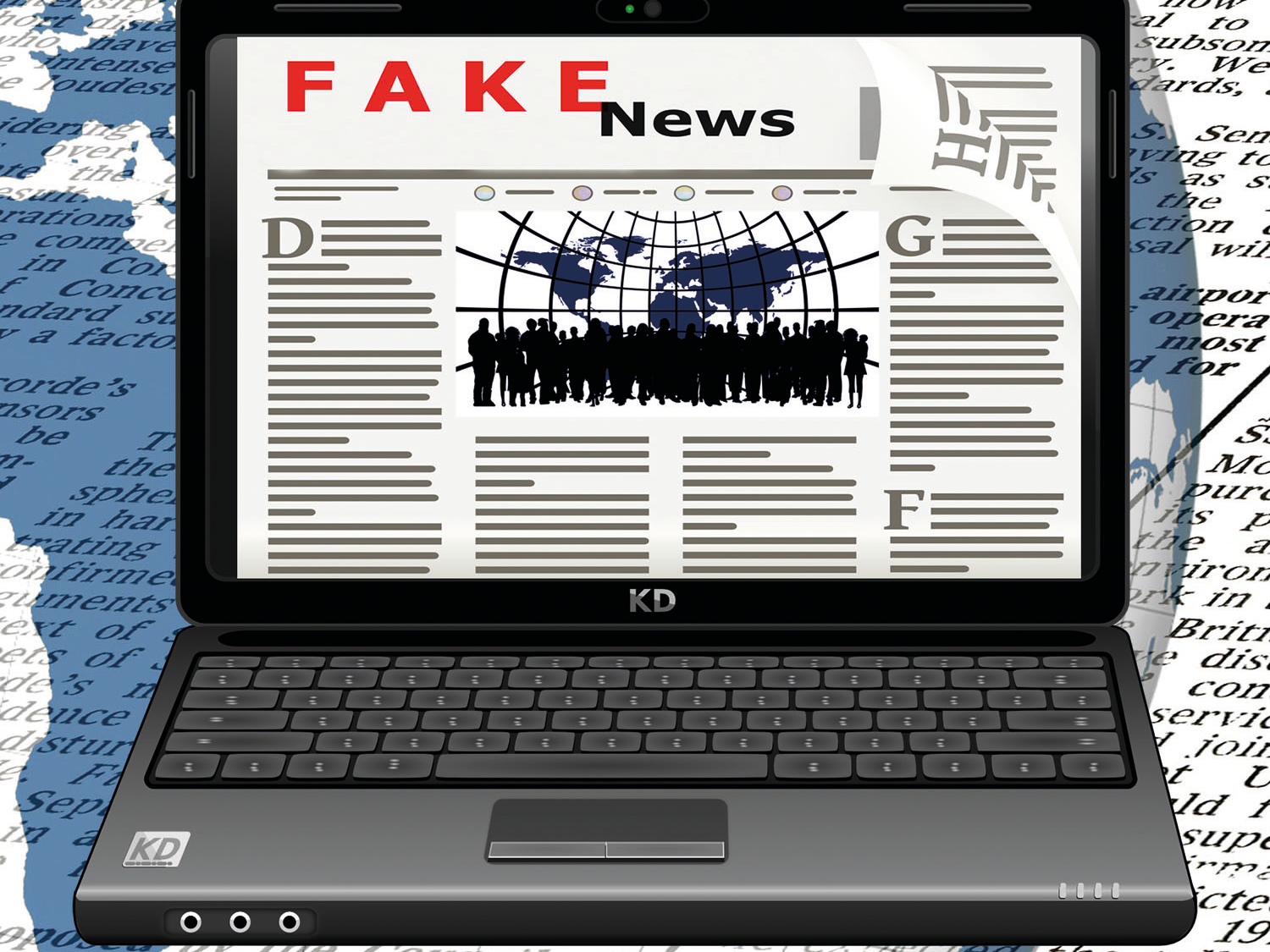
Fake News
Glaubwürdigkeit in den Medien
Otto von Bismarck sagte einst: „Es wird niemals so viel gelogen wie vor der Wahl, während des Krieges und nach der Jagd.“ Auch er selbst nutzte gefälschte Nachrichten, heute nennt man sie „Fake News“, um einen politischen oder strategischen Vorteil zu erlangen.
Der Film untersucht das Phänomen der „Fake News“ zunächst aus historischer, dann aus gesellschaftlicher Perspektive.
Ein Schwerpunkt des Filmes, in dem zahlreiche Politiker:innen zu Wort kommen, ist das Erkennen von „Fake News“, die mit den sozialen Medien ungeheure Verbreitung erfahren und, man sieht es in der Corona-Pandemie, auch ungeheure Sprengkraft entfalten können.
In Verbindung mit dem umfangreichen Zusatzmaterial (Arbeitsblätter, Testfragen, Glossar, interaktive Aufgaben) lässt sich das Medium hervorragend im Unterricht verwenden.
Testfragen, Glossar und interaktive Aufgaben wurden mit H5P erstellt und können ohne weitere Software verwendet werden.
- <> Languages : DE
- <> Target Groups : Sek I
- <> Subject : Media Education, Society
- <> Length : 19:35 min
- View in learning platform
Licenses

Curriculum-centred and oriented towards educational standards
Matching
Seal of approval
Quality seals such as the "Bio-Siegel", "Blauer Engel", "Stiftung Warentest" and up to 1,000 other seals represent characteristics such as sustainability, health or safety with regard to a product, a service or even a company.

Ideals of Beauty
1. What Is Beautiful?
Podcasting
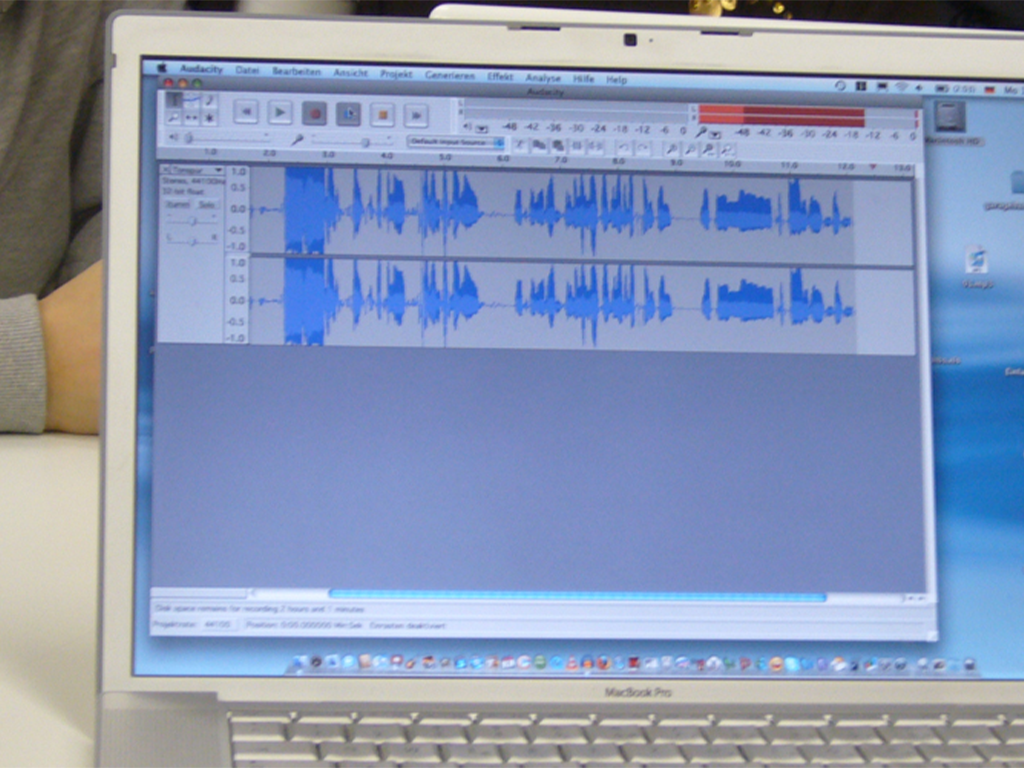
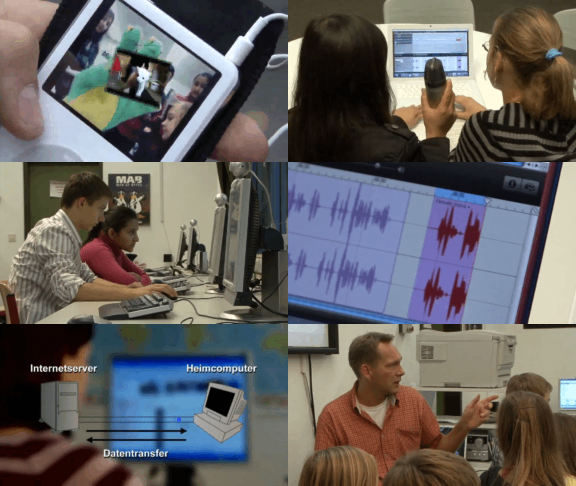
Today, the use of new media has become a matter of course not only in everyday life – schools and teaching, too, benefit from the new technologies and methods, which support active and independent learning. Especially in computer science, ethics and language courses but also in all other subjects, modern media are a valuable pedagogic and didactic asset. This DVD uses the example of podcasts to demonstrate how the possibilities opened up by new media can be applied in the classroom and how the pupils can be taught to handle them in a competent and target-oriented manner. The film is aimed at supporting the use of podcasts at school and encourages making them. This also requires the ability to find information on the Internet and assess it. The film informs on the functionality of podcasts and technical background as well as on the teaching and learning possibilities offered by podcasts – ranging from specific contents to superordinate learning targets such as the advancement of creativity and team spirit. The DVD is a useful support for teachers applying new media and wishing to show their pupils how to handle Running Time: 20:29 ms them in a sensible way.