







 Biology, Primary School

46505602 / 55507276
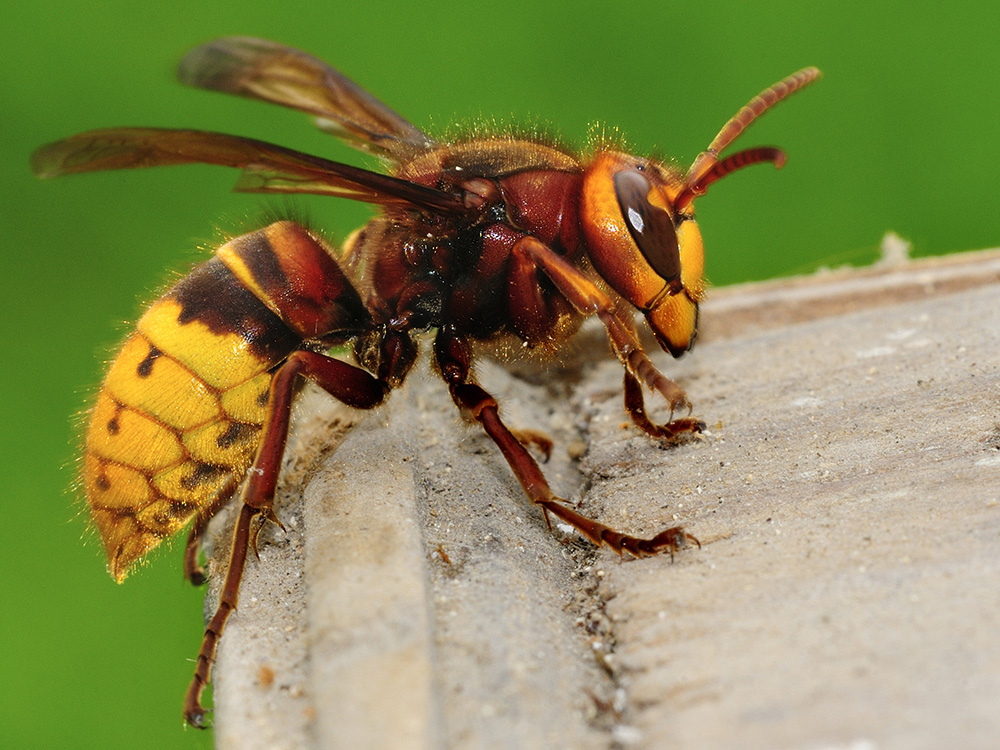
Hornisse
Aussehen, Verbreitung, Lebensweise
Der Film erklärt anschaulich die Lebensweise und den Nestbau der Hornissen und zeigt, wie wichtig sie für das ökologische Gleichgewicht sind.
Mit beeindruckenden Nahaufnahmen wird das Verhalten der Hornissen im Jahresverlauf dokumentiert – von der Königinnen-Gründung bis zur Auflösung des Volkes im Herbst.
Zudem räumt der Film mit Vorurteilen auf und vermittelt, warum Hornissen trotz ihres schlechten Rufs friedliche und geschützte Tiere sind.
Für den Unterricht empfohlen!
Play trailer
- <> Languages : DE
- <> Target Groups : GRU, Sek I
- <> Subject : Biology, Primary School
- <> Length : 13:26 min
- View in learning platform
Licenses
Curriculum-centred and oriented towards educational standards
Matching
Bees, Bumblebees and Wasps
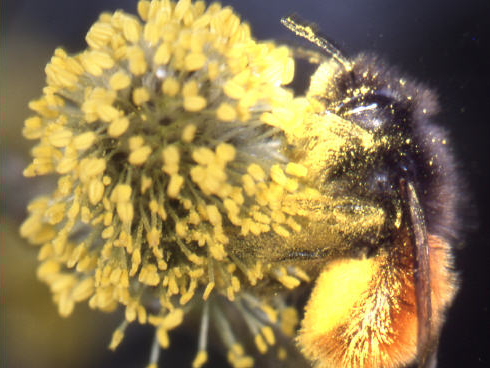
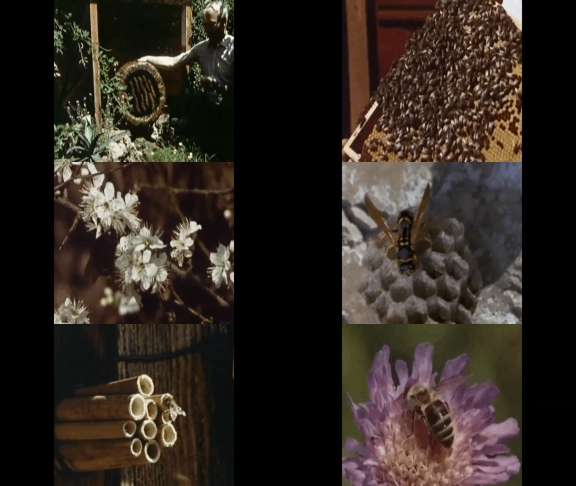
Our smallest domestic animals, the honey bees, belong to the insect order of hymenoptera just like bumblebees, wasps and ants. Many of these insects live in huge colonies with division of labour and a caste system. However, there also are less conspicuous small hymenoptera like, for instance, the mason- bee, which on its own builds complex nests for its offspring and supplies it with food. We haven’t even noticed that it has followed us into our human settlements and we don’t consider that we are taking away the habitats from these small interesting insects. This film pays attention to all these important plant pollinators, allows insights into the work of bees and wasps and shows how we can observe and protect them.


Rassismus
Von Rassismus spricht man, wenn Menschen wegen äußerer Merkmale wie ihrer Hautfarbe, aber auch ihrer Herkunft oder Religion, als Gruppe bestimmte, meist negative Eigenschaften zugeschrieben werden.