







 Biologie, Grundschule

46505602 / 55507276
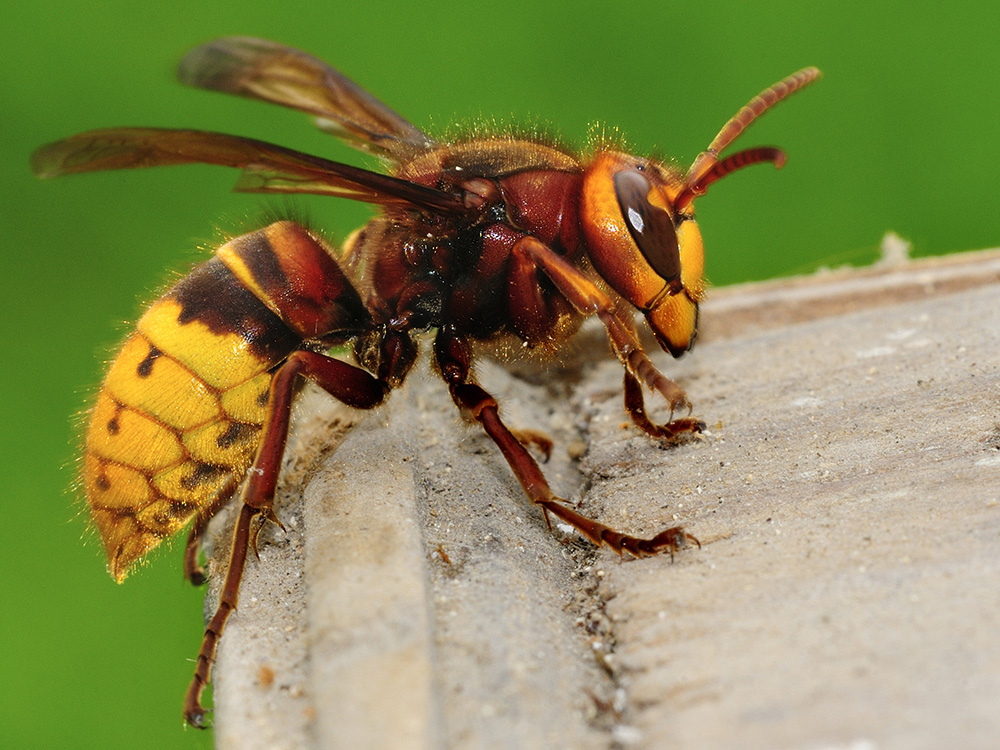
Hornisse
Aussehen, Verbreitung, Lebensweise
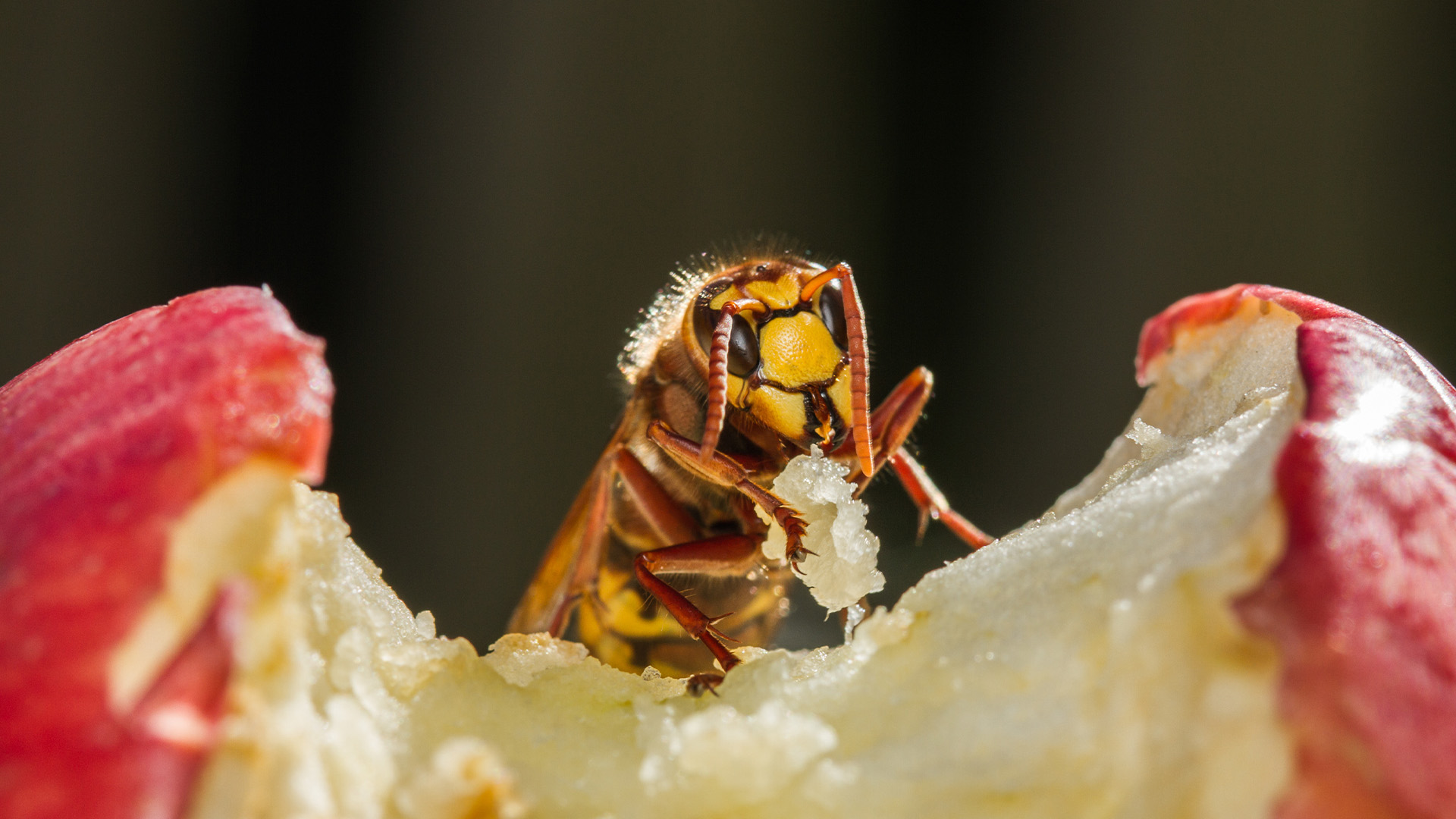
Der Film erklärt anschaulich die Lebensweise und den Nestbau der Hornissen und zeigt, wie wichtig sie für das ökologische Gleichgewicht sind.
Mit beeindruckenden Nahaufnahmen wird das Verhalten der Hornissen im Jahresverlauf dokumentiert – von der Königinnen-Gründung bis zur Auflösung des Volkes im Herbst.
Zudem räumt der Film mit Vorurteilen auf und vermittelt, warum Hornissen trotz ihres schlechten Rufs friedliche und geschützte Tiere sind.
Für den Unterricht empfohlen!
Trailer abspielen
- <> Sprachen : DE
- <> Zielgruppen : GRU, Sek I
- <> Fach : Biologie, Grundschule
- <> Spieldauer : 13:26 min
- In Lehrmediathek ansehen
Lizenzen
Lehrplanzentral und an den Bildungsstandards orientiert
Passend dazu
Bienen, Hummeln und Wespen
BIENEN, HUMMELN und WESPEN Unsere kleinsten Haustiere, die Honigbienen gehören ebenso wie Hummeln, Wespen und Ameisen zur Insektenordnung der Hautflügler.
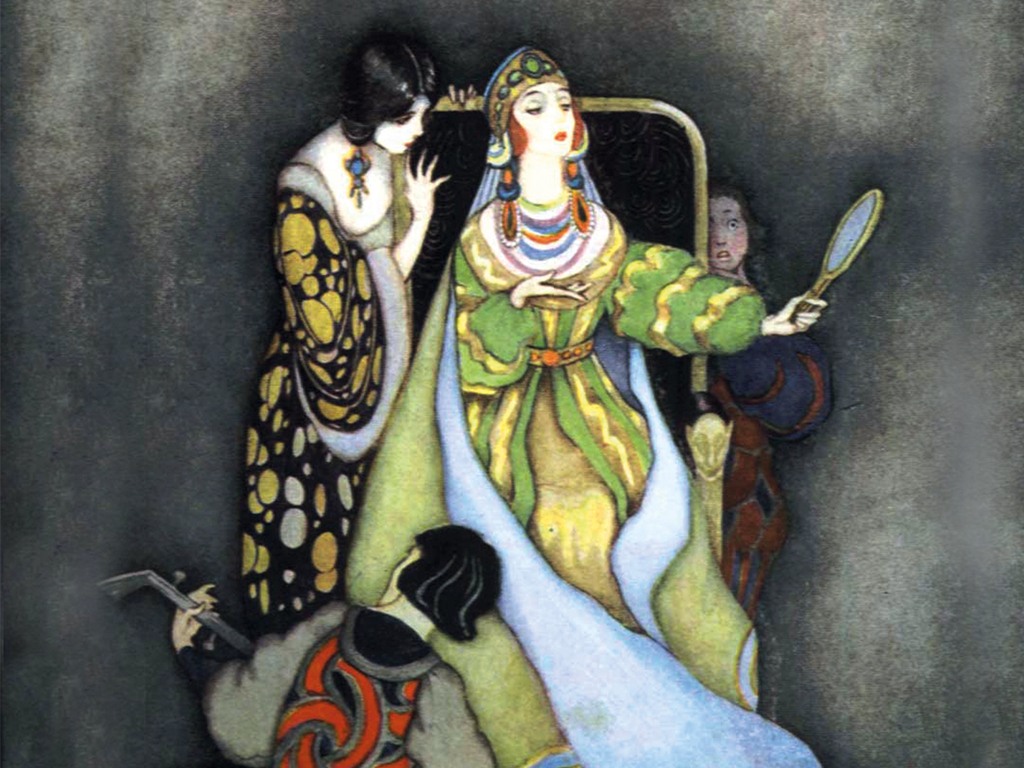

Schönheit
Sie entsteht im Auge des Betrachters, dennoch ist sie messbar. Es gibt sie innen wie außen.
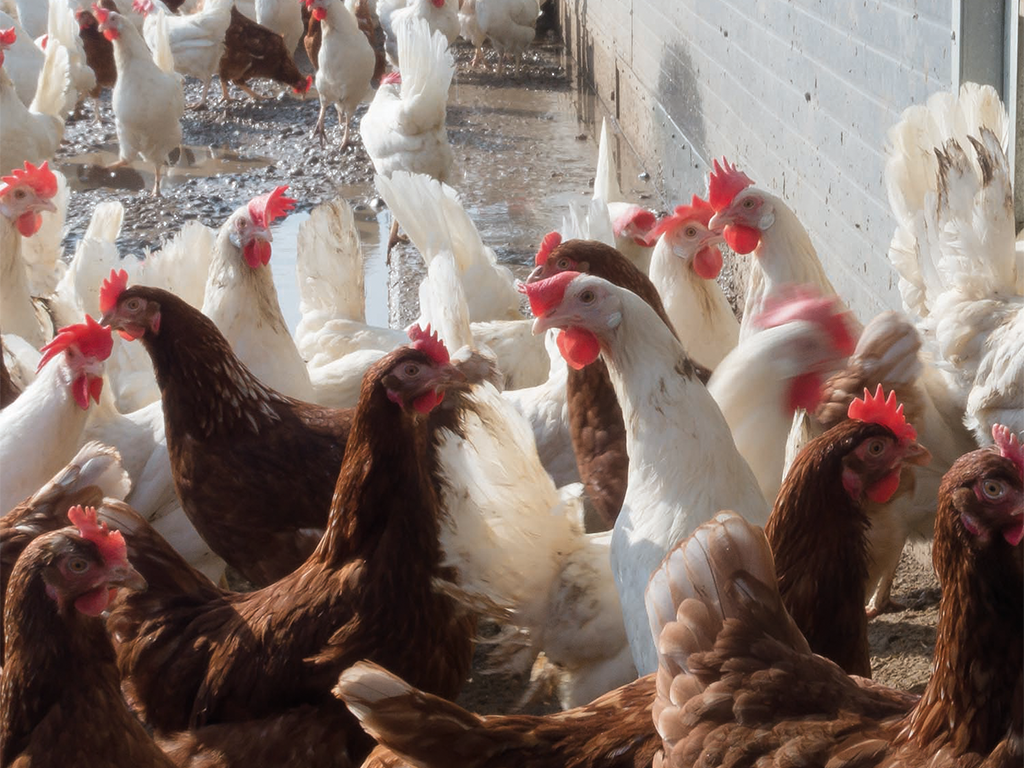
Massentierhaltung
Ein Kilogramm Hühnerschenkel für 99 Cent – dieser Preis lässt sich nur erreichen, wenn die Herstellungskosten massiv niedrig gehalten werden. Der Film geht der Frage nach, unter welchen Bedingungen Tiere für die industrielle Verwertung gehalten werden. Welche Möglichkeiten die Verbraucherinnen und Verbraucher haben, auf diese Bedingungen Einfluss zu nehmen, ist der Inhalt eines eigenen Kapitels.
