







55504725
Chemie des Alltags
In unserem Arbeitsheft Chemie 8, Vol. 1 – Chemie des Alltags finden Sie 50 interaktive und didaktisch aufbereitete Aufgaben.
Das Medium bietet H5P-Aufgaben an, die ohne zusätzliche Software verwendbar sind. Das Medium enthält interaktive Videos und 50 H5P-Aufgaben zum Thema Chemie des Alltags.
Durch interaktive Aufgabentypen wird das audiovisuelle und interaktive Lernen einfach.
Lernen macht jetzt Spaß!
Included Tasks
- 1. Alltagschemie - Einführungsaufgabe
- 2. Alltagschemie - Finde die Wörter im Suchfeld
- 3. Alltagschemie - Stoffe wahrnehmen
- 4. Alltagschemie - Umgang mit Stoffen im Labor
- 5. Alltagschemie - Arbeit im Labor (Kreuzworträtsel)
- 6. Metalle - Gemeinsamkeiten und Unterschiede
- 7. Metalle - Metalle im Alltag Kreuzworträtsel
- 8. Metalle - Suchsel
- 9. Metalle - Finde die Paare
- 10. Aufbau von Stoffen - Interaktives Video
- 11. Chemische Reaktionen - Interaktives Video
- 12. Katalysatoren - Interaktives Video
- 13. Katalysatoren - Suchsel
- 14. Qualitative Analyse - Interaktives Video
- 15. Quantitative Analyse - Interaktives Video
- 16. Synthese - Interaktives Video
- 17. Arbeitsgebiete in der Chemie - Interaktives Video
- 18. Chemische Produktion - Interaktives Video
- 19. Gefahrenstoffe - Wissenswertes
- 20. Gefahrenstoffe - Suchsel
- 21. Gefahrenstoffe - Kreuzworträtsel
- 22. Gefahrenstoffe - Gefahrensymbole beschreiben
- 23. Gefahrenstoffe - Alltagsgegenstände zuordnen
- 24. Schutz und Sicherheit - Interaktives Video
- 25. Plastik Allgemeines - Interaktives Video
- 26. Vorteile von Plastik - Interaktives Video
- 27. Nachteile von Plastik - Interaktives Video
- 28. Recycling von Plastik- Interaktives Video
- 29. Alternativen von Plastik - Interaktives Video
- 30. Das Periodensystem - Wissenswertes
- 31. Anwendungsbereiche in der Chemie - Wissenswertes
- 32. Anwendungsbereiche der Chemie - Kreuzworträtsel
- 33. Was sind Stoffgemische - Interaktives Video
- 34. Homogene- und heterogene Stoffgemische - Interaktives Video
- 35. Was sind Emulsionen - Interaktives Video
- 36. Emulsion - Fülle die Lücken
- 37. Stabilität von Emulsionen - Interaktives Video
- 38. Trennen von Emulisonen - Interaktives Video
- 39. Vorkommen von Emulsionen im Alltag - Suchsel
- 40. Emulsionen im Alltag - Kreuzworträtsel
- 41. Stoffgemische
- 42. Was sind Suspensionen - Interaktives Video
- 43. Das Element Chlor - Das Multitalent im Haushalt
- 44. Magnesium - Vielseitig einsetzbar
- 45. Natrium - Vielseitig einsetzbar
- 46. Phosphor - Explosiv und feurig Homogen
- 47. oder heterogen?
- 48. Kalk - Wissenswertes
- 49. Kalk - Suchsel
- 50. Kalk - Kreuzworträtsel
Curriculum-centred and oriented towards educational standards
Matching


Solutions, Emulsions and Mixtures of Substances
Be it milk in a cereal bowl, tea in a glass or the air around us. We constantly come across mixtures of substances in our everyday lives. As the name suggests, they are mixtures – mixtures of several so-called pure substances.
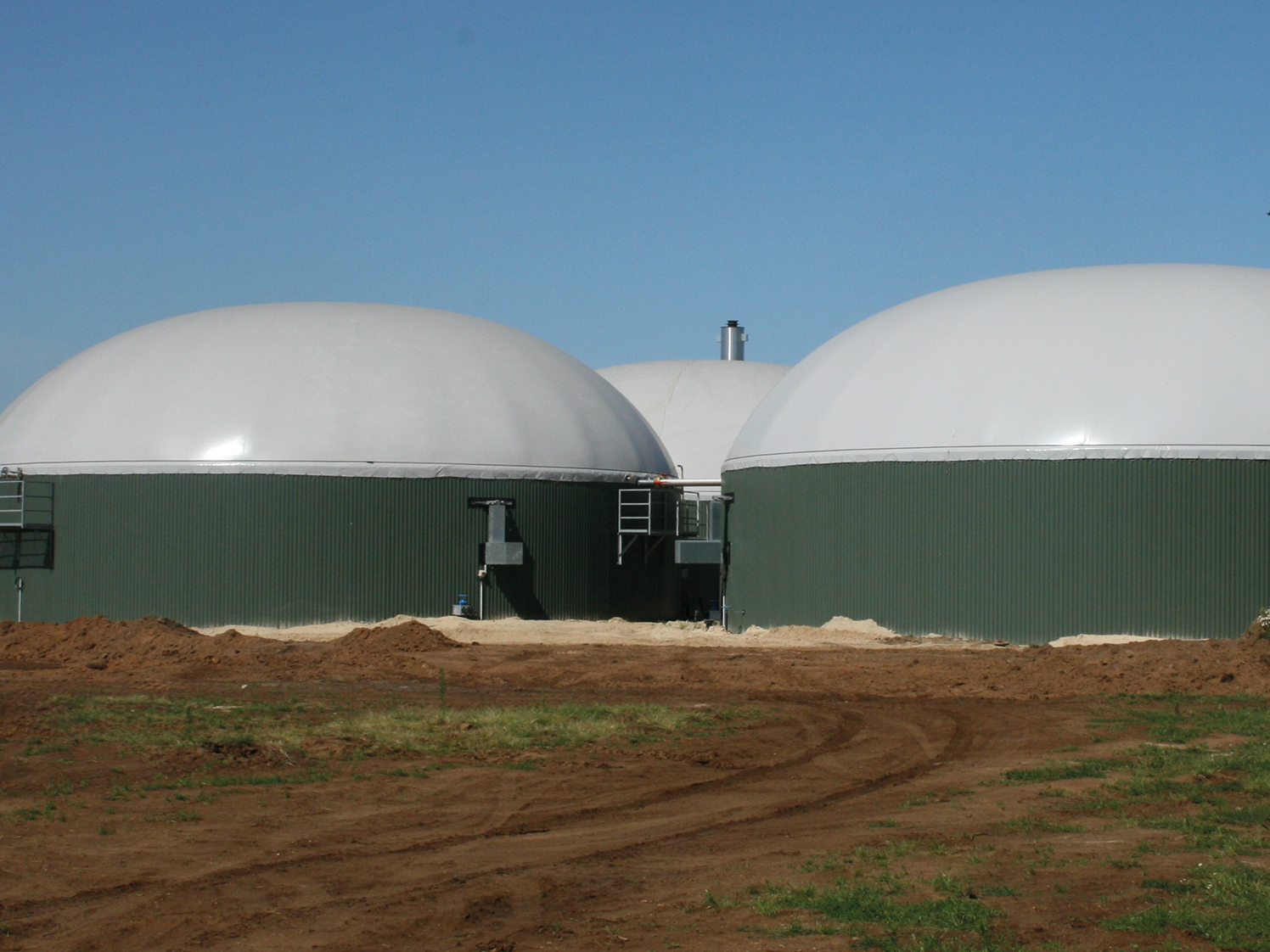
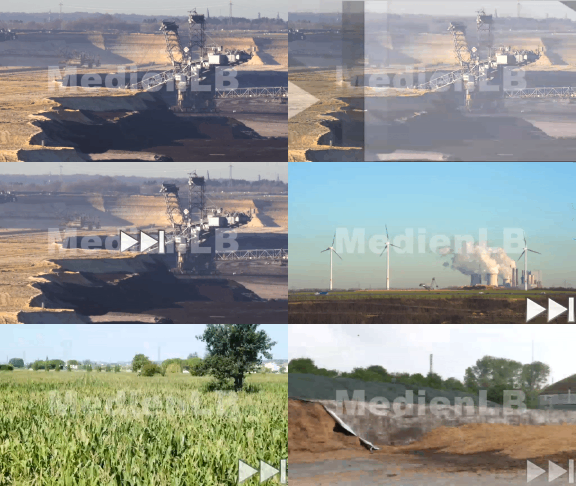
Biogas
In our modern lives, we are dependent on a regular supply of energy.
Carbohydrates
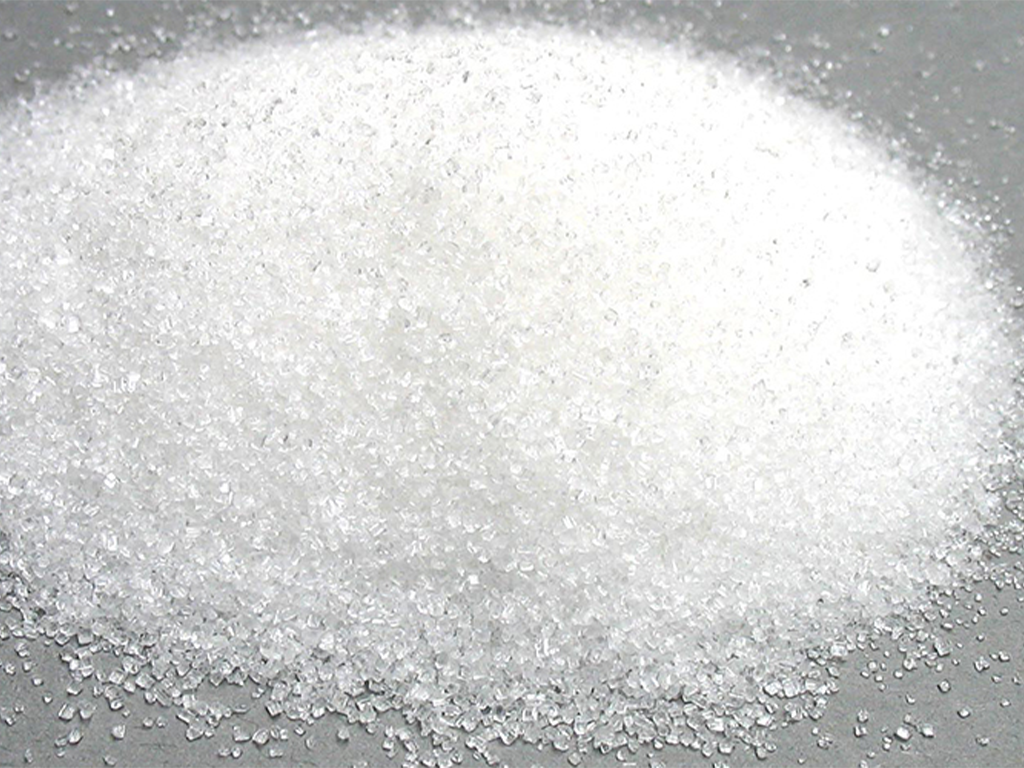
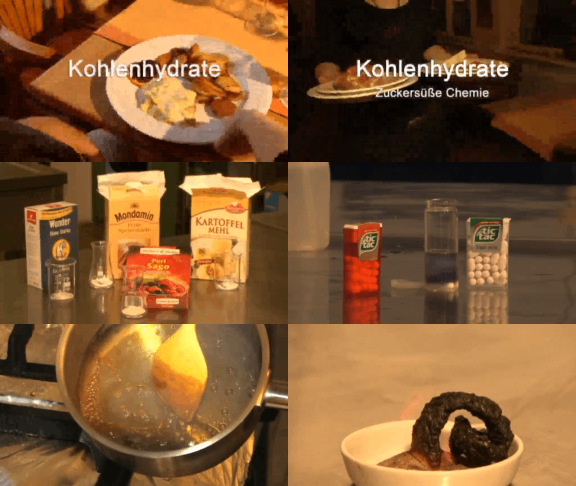
The term carbohydrate or saccharide is a collective name for all substances with the chemical formula Cn(H2O)n. Carbohydrates are the basis of nutrition. They are part of our diet as starch, glucose (grape sugar), fructose (fruit sugar), lactose (milk sugar) and saccharose (beet, cane or table sugar). Important suppliers of carbohydrates are potatoes and cereals such as rice, wheat, maize, millet, rye and oats. The various carbohydrates in our foods are introduced to the pupils. The characteristics of polysaccharides, disaccharides and monosaccharides are explained to them and in which foods these substances occur and how they are structured. In addition, the different origins of starch, starch degradation products, gelling agents as well as sugar alcohols in confectionery are dealt with. The DVD shows how various substances can be detected with the help of chemical processes. Together with the extensive accompanying material the DVD is ideally suited for use in the classroom.