







 Chemistry

4671500 / 5561348
Fascination Lime
Formation and Application
Many products used in everyday life are impossible without lime. These are, among others, glass, sugar, paper as well as pharmaceutical and cosmetic products. The raw material is also indispensable in the construction materials industry. Iron and steel producers need limestone, in environmental protection it is used, for example, for air cleaning and drinking water purification.
Therefore limestone and lime as well as products derived from them can be found everywhere. We use them daily even though we may not realise it at the time.
The film explains types of limestone formations, how they are extracted and processed and their various ranges of application. It is divided into didactically meaningful sections thus presenting the “fascination of lime” in a logical sequence.
Curriculum-centred and oriented towards educational standards
Matching


Computer Games
This film covers the topic of computer games in a variety of ways and from many different angles. Apart from the fascina- tion of computer games for users, the historical development as well as the production of computer games are described. The established genres are introduced, the guidelines of the German BPjM are explained. In light of recent public discussions, a neutral overview of the pros and cons of playing computer games is given, and different kinds of player behaviour are outlined. In this film, the pupils will recognise many aspects of their favourite pastime that encourage an independent, constructive use of this medium and reinforce their media competency. The film and teaching material are very closely related to the real-life situation.
Stalking
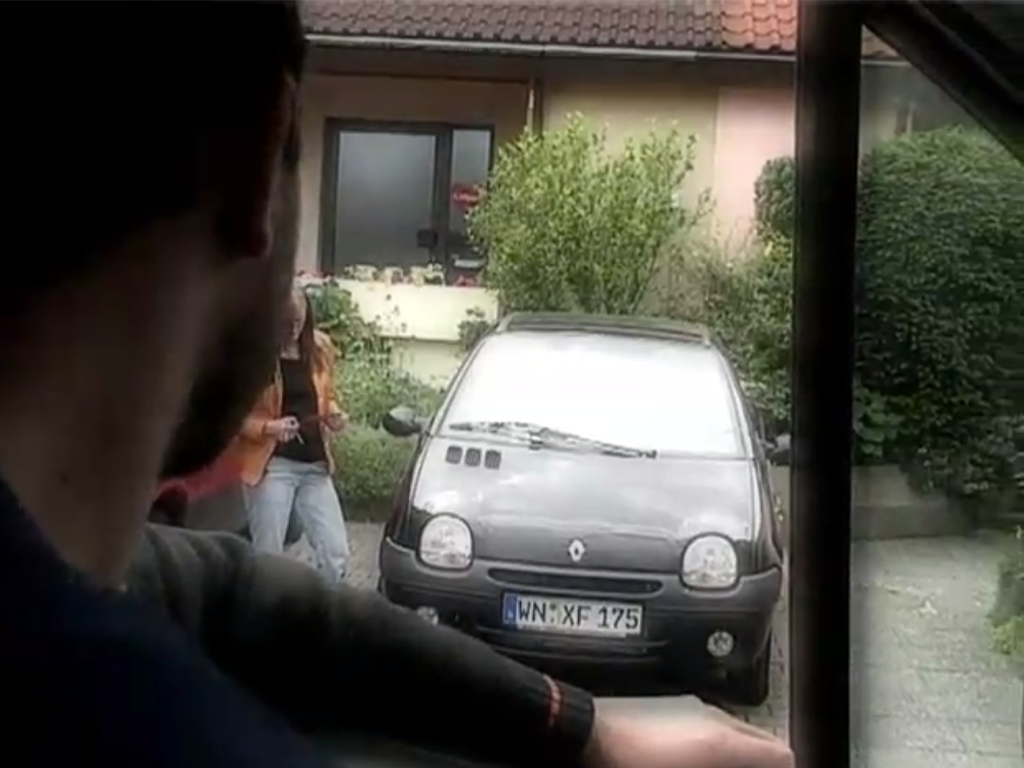
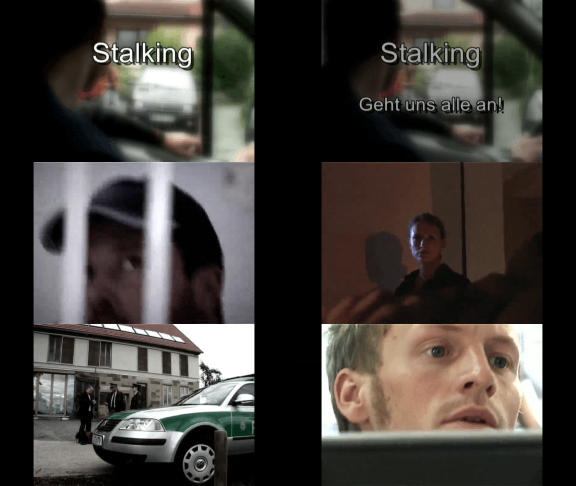
n Germany, 12 % of all federal citizens are pursued by a stalker once in their lives. And not only celebrities are among their victims! Everyone may be confronted with such a situation.
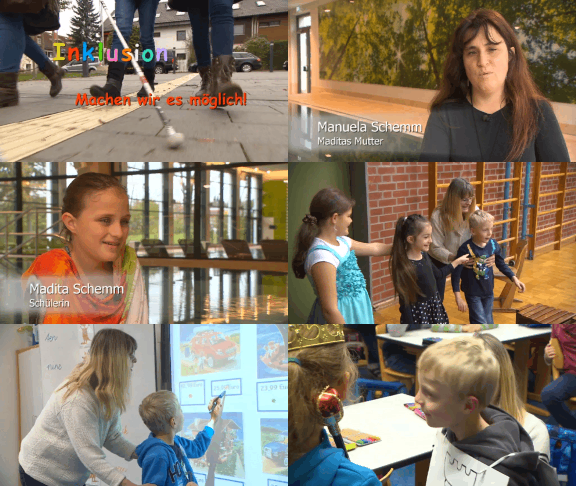
Inclusion
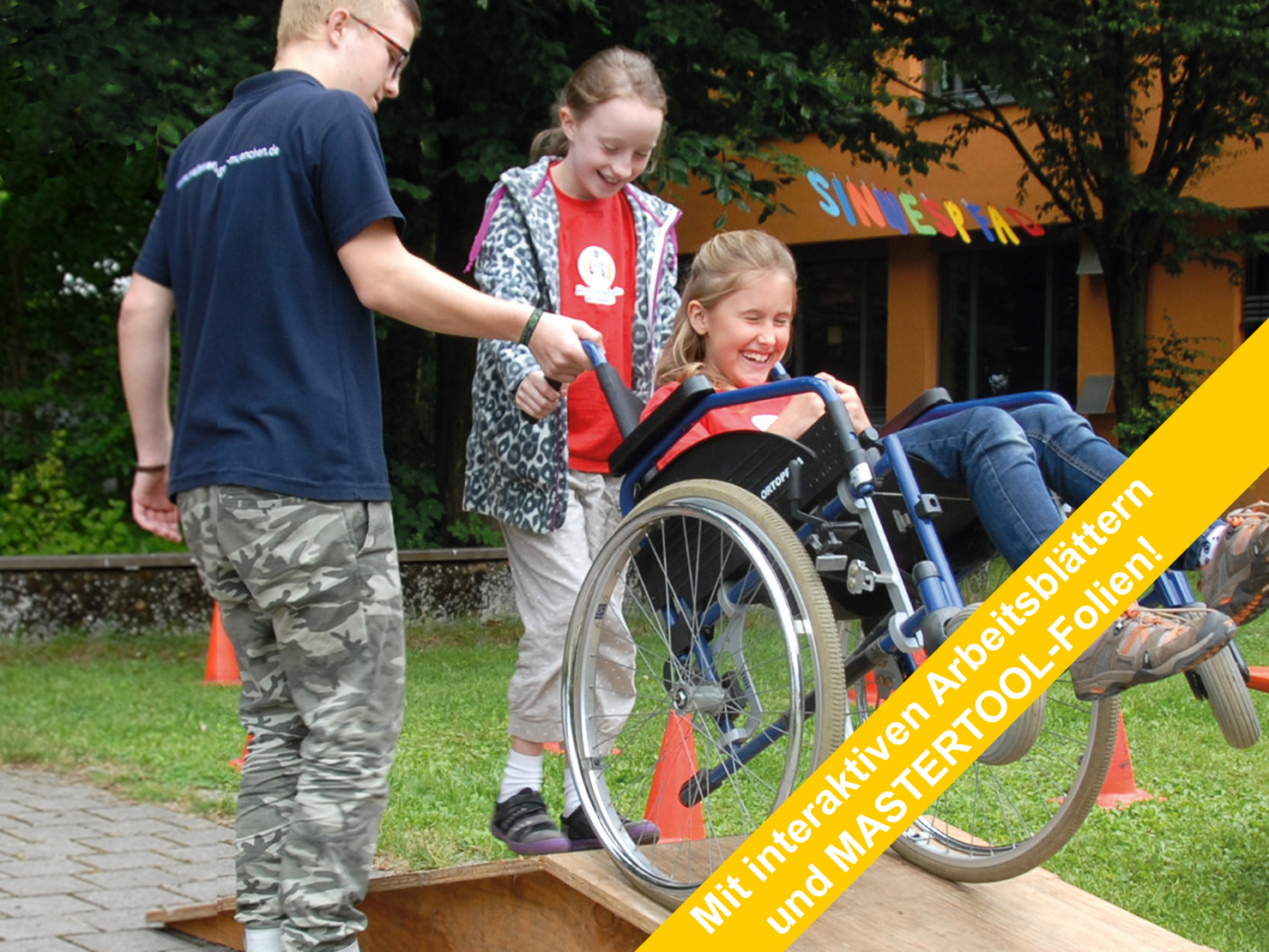
Madita is eleven and blind. She does not want to go to a special school but to a regular grammar school. She says she feels "normal" there. Jonathan is eight and has a walking disability. He likes going to the school where he lives. Here, his best friend sits next to him. Max Dimpflmeier, a teacher who is severely deaf, explains that school life is not easy. Quote Max Dimpflmeier: "You don't want to attract attention, you want to avoid saying that it is necessary for you that 70 people adjust to your situation." People on their way to inclusion.