







 Media Education, Training of Teachers

4675562 / 5563710
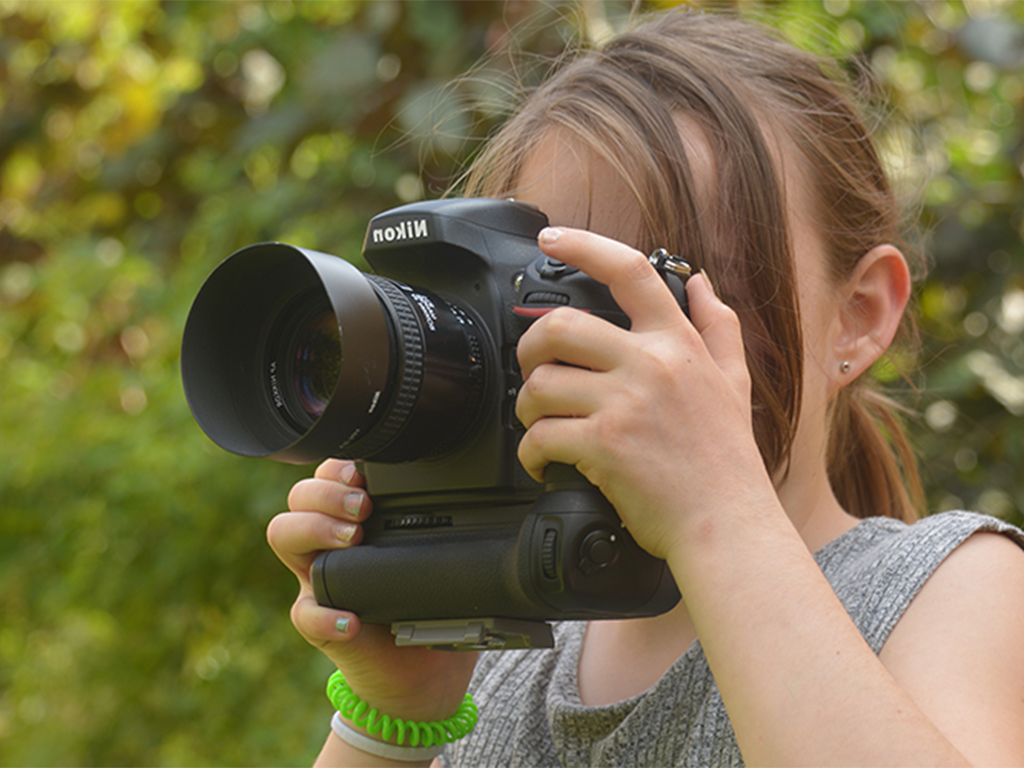
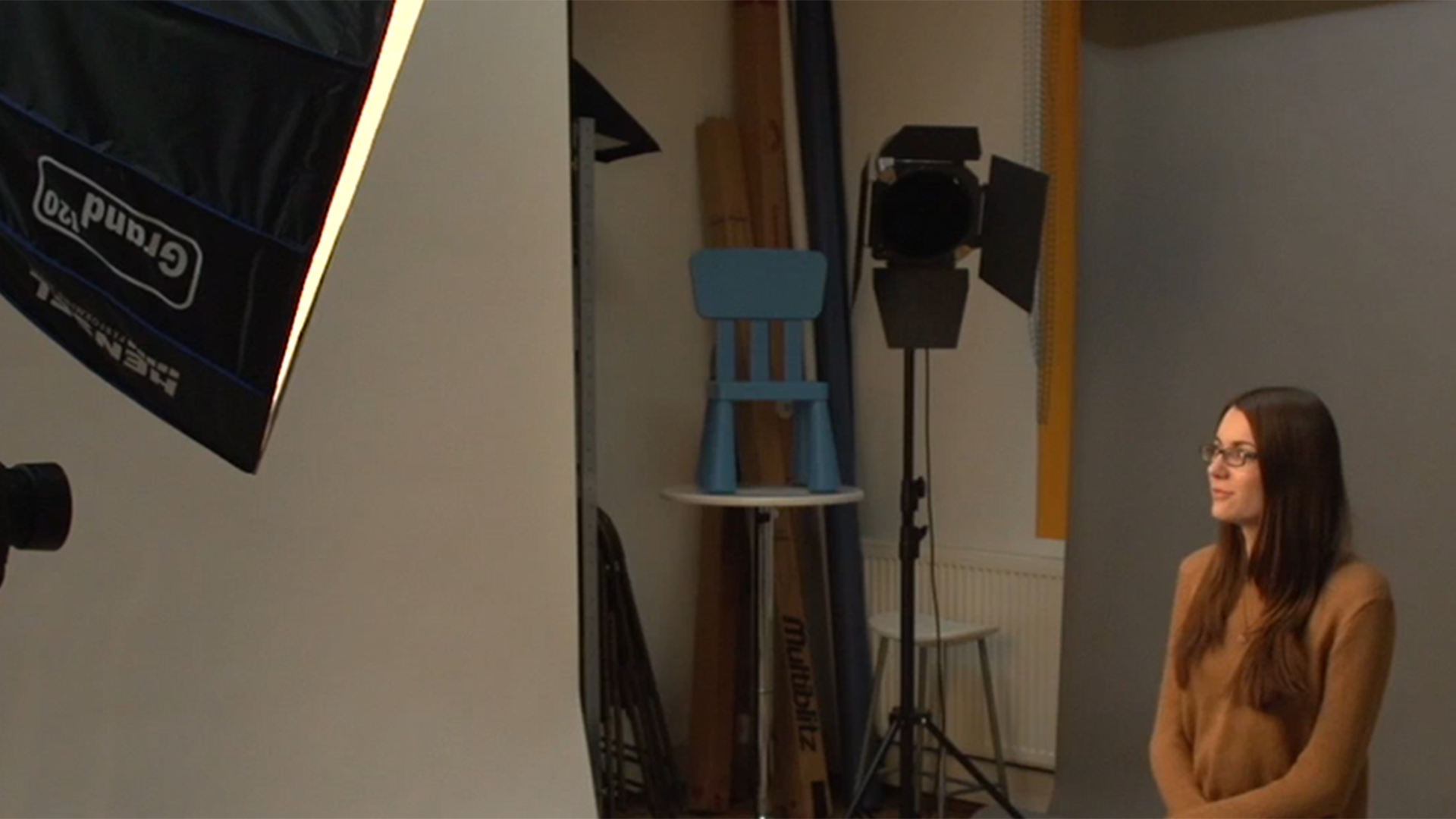
Photography
Basics and Picture Design
ORIGINAL SOUNDTRACK Stefan Schmerold:
“I would always choose this profession again. It gives you so much and there is so much you can do in this job. You are not tied down but there are plenty of possibilities, all kinds of fields are open to you. In my case, it is portrait photography. There are photographers who work in completely different areas. This profession is not a one-way street but the longer you do it, the more possibilities you see.
It’s really hard for me to imagine doing anything else.”
ORIGINAL SOUNDTRACK Odette Teubner:
“It is a great profession, it is creative. But it can also be hard. You have to make an effort to get a good reputation. You have to go the extra mile.
Yes, I can recommend this profession. But of course, we are specialised – in food.”
- <> Languages : DE, EN, TR
- <> Target Groups : Sek I, Sek II
- <> Subject : Media Education, Training of Teachers
- <> Length : 23:09 min
- View in learning platform
Licenses
Curriculum-centred and oriented towards educational standards
Matching
Podcasting
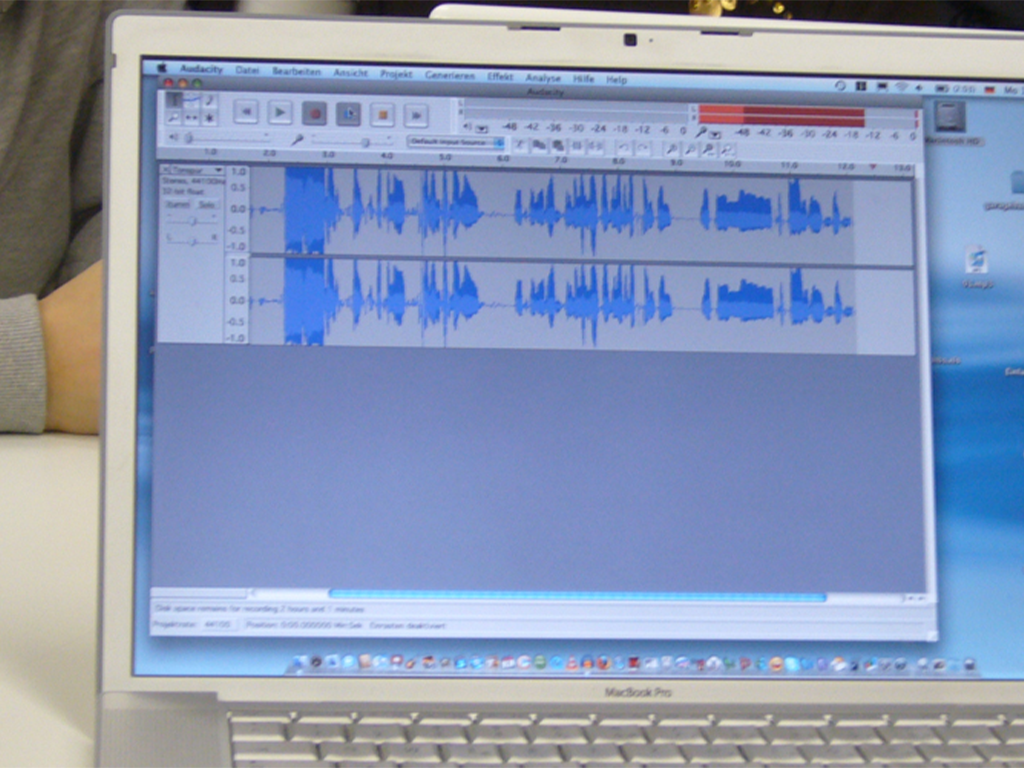
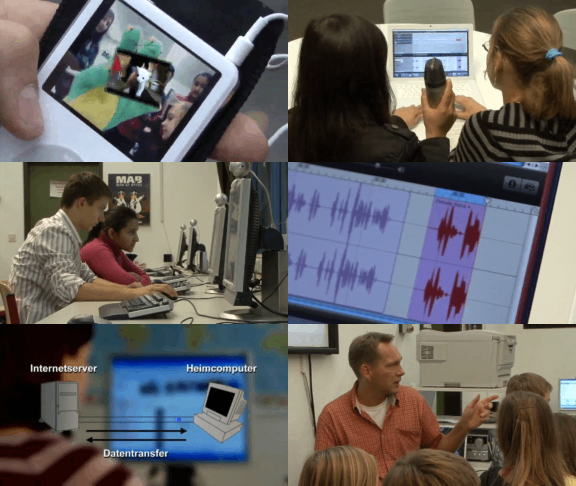
Today, the use of new media has become a matter of course not only in everyday life – schools and teaching, too, benefit from the new technologies and methods, which support active and independent learning. Especially in computer science, ethics and language courses but also in all other subjects, modern media are a valuable pedagogic and didactic asset. This DVD uses the example of podcasts to demonstrate how the possibilities opened up by new media can be applied in the classroom and how the pupils can be taught to handle them in a competent and target-oriented manner. The film is aimed at supporting the use of podcasts at school and encourages making them. This also requires the ability to find information on the Internet and assess it. The film informs on the functionality of podcasts and technical background as well as on the teaching and learning possibilities offered by podcasts – ranging from specific contents to superordinate learning targets such as the advancement of creativity and team spirit. The DVD is a useful support for teachers applying new media and wishing to show their pupils how to handle Running Time: 20:29 ms them in a sensible way.
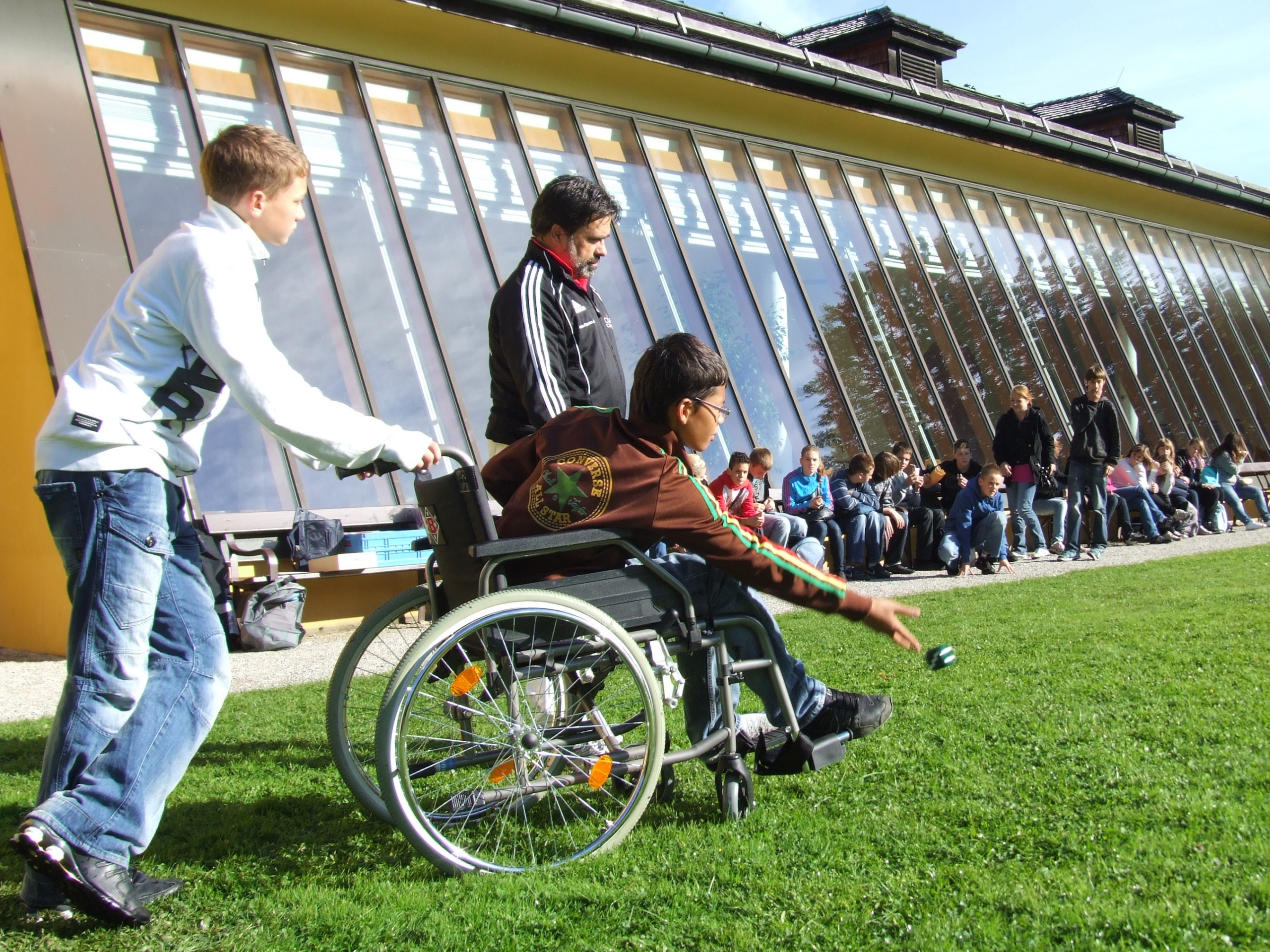
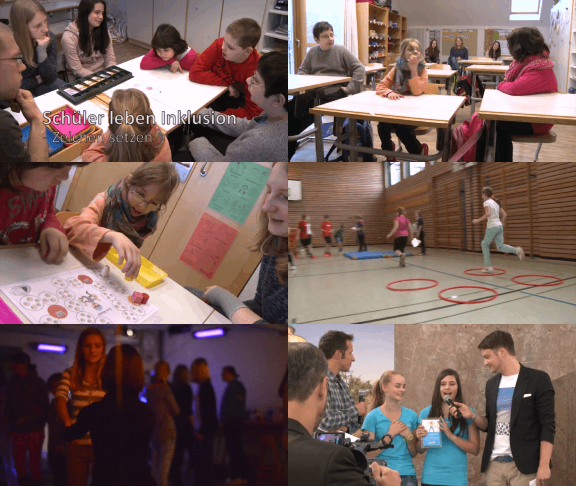
Pupils Practise Inclusion
When people come together, no matter under what concomitant circumstances – ultimately, it is about how these people meet and how openly they interact with one another.
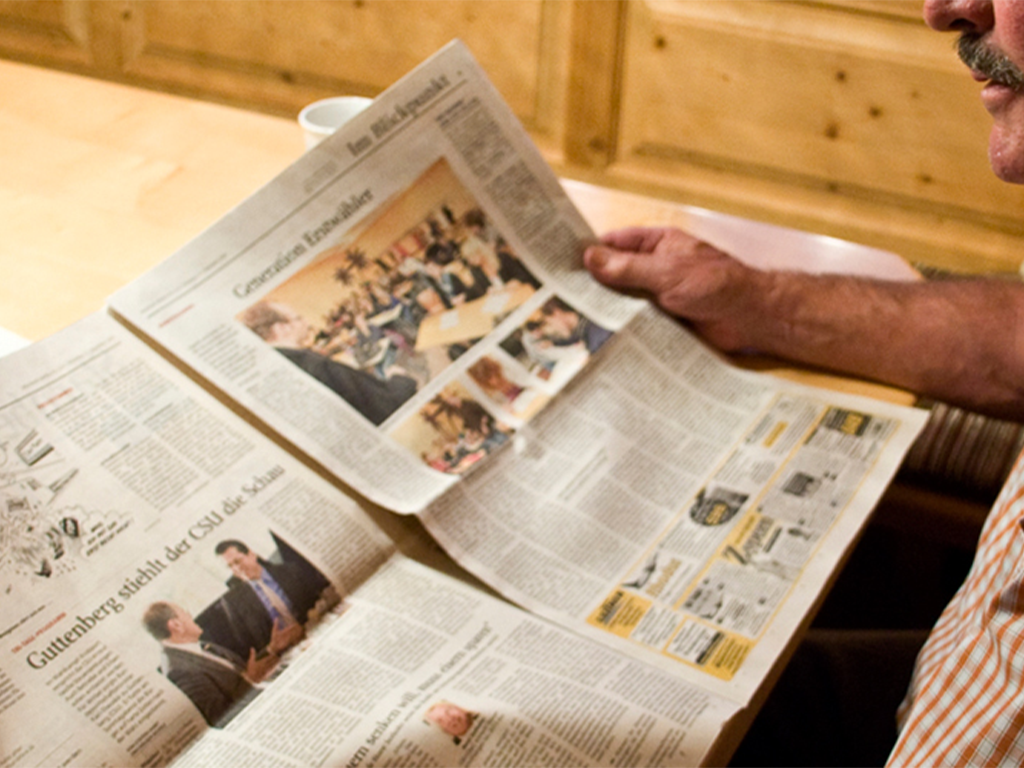
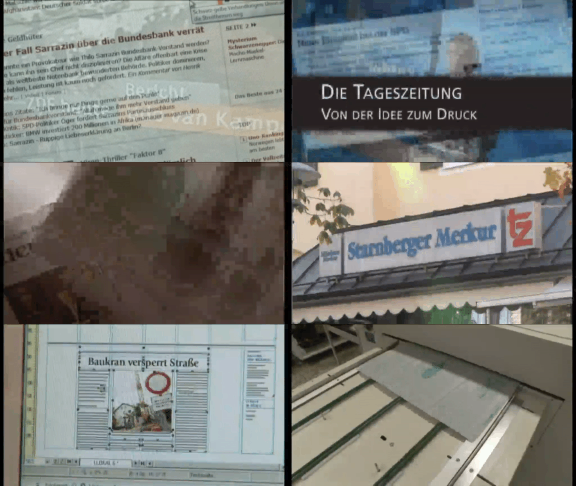
The Daily Newspaper
Every day, there is a surge of news reaching us via different news channels. In spite of TV and Internet, the daily paper still is one of the most important main sources of news. But how is a newspaper created? The film shows the production of a paper in the course of one day. Starting with the editorial meeting in the morning, in which the topics and deadlines are determined, the film accompanies a journalist during her research work. You can see how a journalistic interview is conducted and what the photographer must consider when taking a press photo. Back in the editorial office, the editor’s work is illustrated, which includes the page layout and the writing of an online article in today’s time. Impressive pictures from the printing centre depict the process from the digital page to the finished newspaper. Together with the comprehensive accompanying material, the DVD is perfectly suited for use at school