







 History


4677316 / 5564524
Ancient Greece
Roots of Our Culture
The age of antiquity ended over a thousand years ago, and yet, it surrounds us almost every day.
The Greek temples have been imitated over and over, and they represent masterly achievements of architecture even today – grandeur and beauty formed by stone.
But how did they live, the ancient Greeks? How could architecture, art, science, society and politics develop in such a way from the eighth century BC to the end of the ancient Greek era that their influence is still palpable today?
- <> Languages : DE, EN
- <> Target Groups : Sek I
- <> Subject : History
- <> Length : 24:44 min
- View in learning platform
Licenses

Curriculum-centred and oriented towards educational standards
Matching


Internet Addiction
The film consists of two parts. The first part is the 15-minute short film “In the Net”. It describes the problem of excessive Internet use in a humorous way, in particular the risk of losing touch with reality when chatting. The second part illustrates with three real persons how Internet addiction can develop and the problems encountered by those who are afflicted. The authentic statements are commented by an experienced therapist. For many pupils, the issues addressed here are related to their everyday lives. What is a “sensible” use of the Internet, where does pathological addiction start? In contrast to addiction to alcohol, nicotine or drugs, the public seems to be largely ignorant of the problem of this addiction, which is not related to any substance abuse. The film provides material for discussion in the classroom (crossdisciplinary) and can be used as a basis for the formulation of prevention strategies.


Air Traffic
Being able to fly has been a dream of humanity from time immemorial. But it does not even date back a century that people actually started being able to travel through the air. Since the 1960s, the number of flight passengers has been constantly increasing. Thus, the airspace is no longer dominated by birds but by man-made flying objects.

Stalking
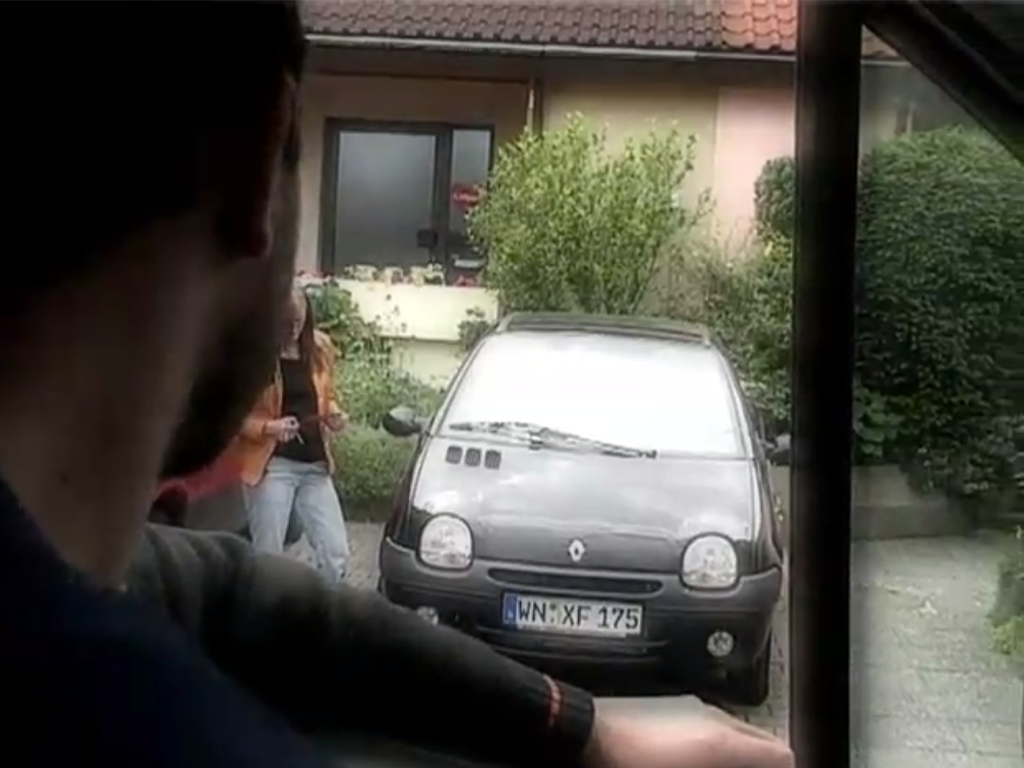
n Germany, 12 % of all federal citizens are pursued by a stalker once in their lives. And not only celebrities are among their victims! Everyone may be confronted with such a situation.