






 History

4677121 / 5564410
Bronze Age
A New Material is Discovered
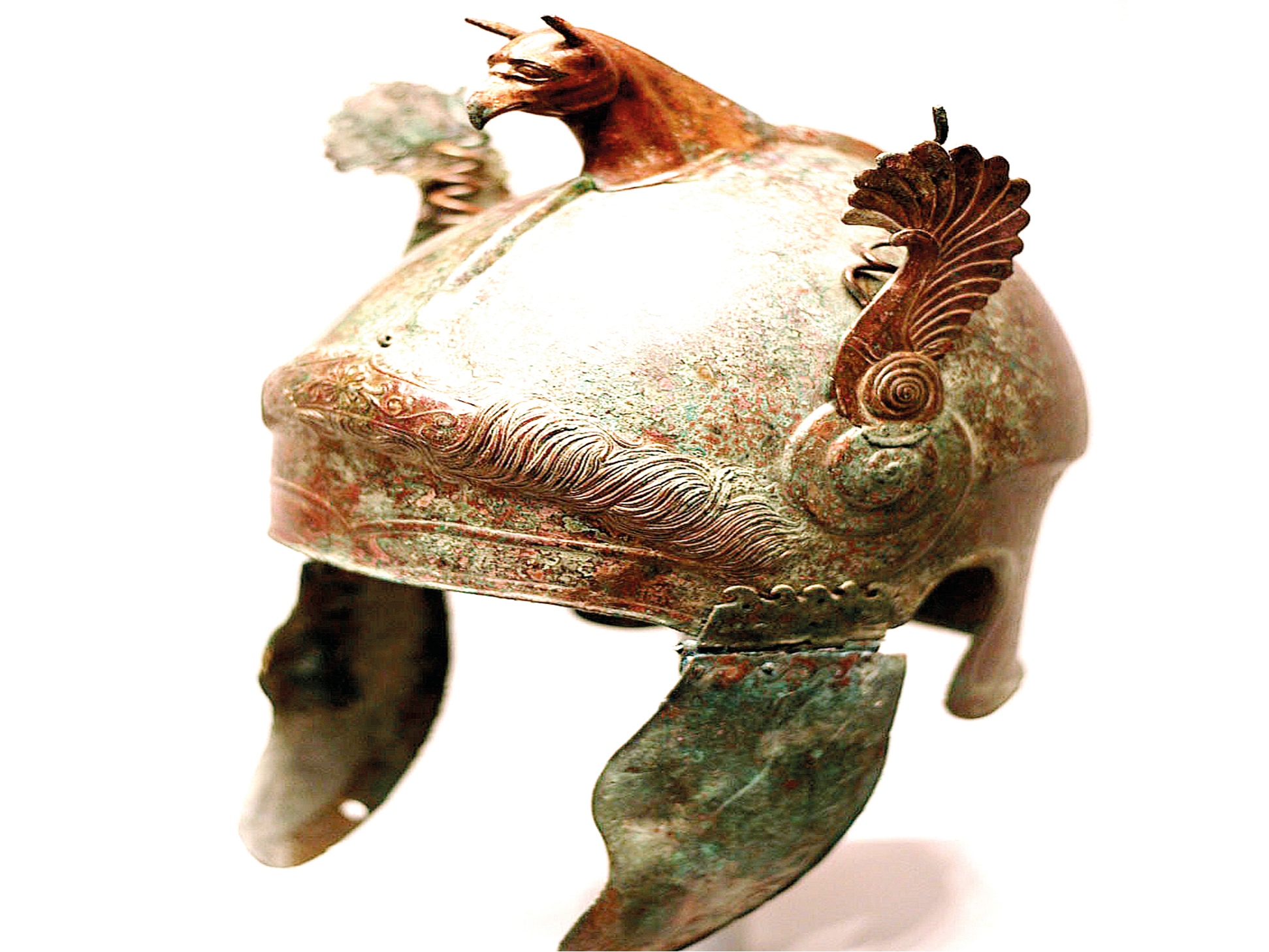
With the use of bronze as a working material a new historical era started at about 2200 BC.
Why was this particular metal so important for the development of humankind?
Bronze consists of nine parts copper and one part tin. It is melted at 800 to 1,000 degrees.
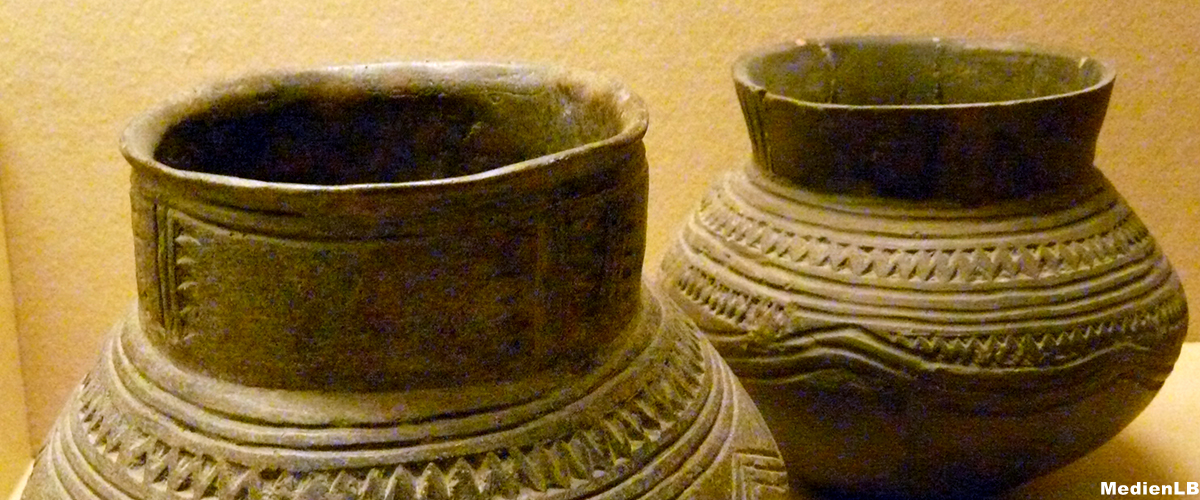
The bronze is poured into the mould and solidifies after a while. During the Bronze Age the moulds consisted mostly of sandstone. The latter was carved first and served as a template or negative of the objects, also called artefacts ─ such as flat axes, sickles, knife blades and swords.
The raw materials copper and tin were mined in Europe, the Middle East and also Africa. A flourishing trade with them started.
- <> Languages : DE, EN
- <> Target Groups : Sek I
- <> Subject : History
- <> Length : 24:06 min
- View in learning platform
Licenses
Curriculum-centred and oriented towards educational standards
Matching

Blogging
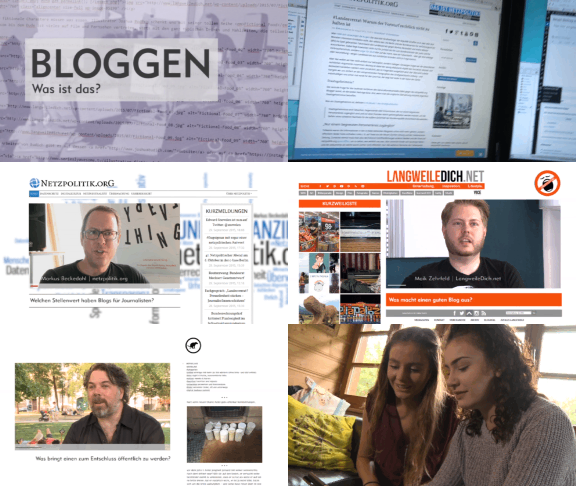
The weblog or blog, for short, as a medium is not much older than this century. Blogs came into being in the World Wide Web as ’messages from below’, as web pages from web creators who wanted to share their view of the world with the world. They are short notes, long texts, pictures, videos, which are posted loosely and at random intervals to the world for an undefined public.
Seal of approval
Quality seals such as the "Bio-Siegel", "Blauer Engel", "Stiftung Warentest" and up to 1,000 other seals represent characteristics such as sustainability, health or safety with regard to a product, a service or even a company.

Copyright
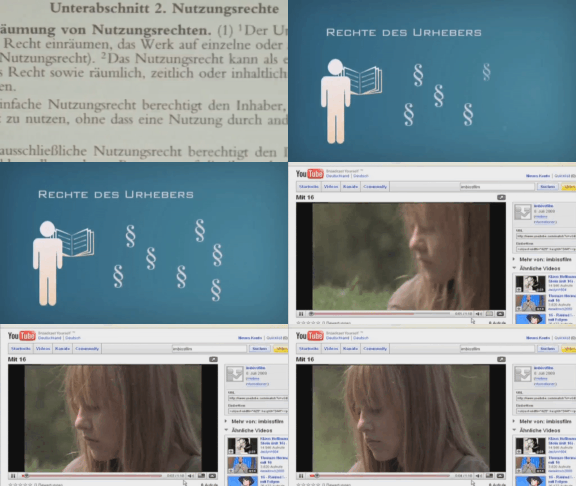
Copyright is subject to constant change to keep up with technological advances. This film enables the viewer to grasp the basic principles of this extremely intricate matter. By way of introduction, the film defines what an author is, what kinds of works there are and how long a work is protected on principle. Then the fundamental rights of an author are cited and it is shown how these are exploited in our times. In the third chapter, the respective rights are illustrated by way of practice-oriented examples of books, photos, music and films. Here, of course, an emphasis is laid on the field of education, taking into account the latest case law within the EU and Austria in particular. A further chapter highlights the problems arising with the Internet and goes into the citation law and pirate copies. All in all, in this way the viewer is made familiar with the most important basic terms and their meanings. Comprehensive worksheets and additional accompanying material invite us to deepen our knowledge of the subject.