







 History
4679037 / 5565798
Germanic Tribes
Beliefs, Everyday Life and Customs
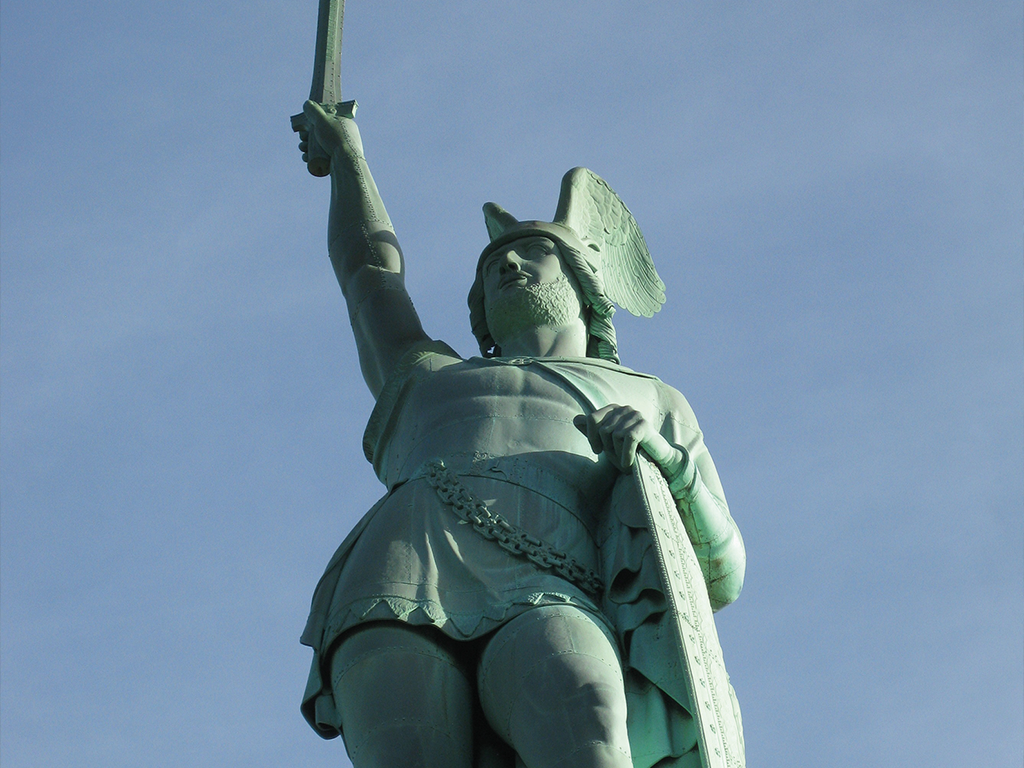
When the Romans deliberately encountered the Germanic tribes in the 2nd century BC, they knew almost nothing about their soon-to-be most dangerous enemies and even today, much is still obscure as the Germanic tribes, unlike the Romans, did not leave behind large stone edifices but built their houses from wood – and this is ephemeral.
The Germanic tribes knew no writing either until about 160 AD. They left only short texts in runic characters to posterity.
Almost everything written down about the Germanic tribes was handed down by a few Greek geographers, Roman chroniclers, foremost among them Tacitus, and even Julius Caesar himself. But these traditions were partly distorted, exaggerated and frequently false, because these writings were often only re-narrated or politically motivated. At the times of the Greek and Roman high cultures little was known about the ethnic groups of the North and they were generally referred to as “barbarians“. This just meant that these people were different and knew neither Greek nor Roman civilisations.
Thus we know only very little about the everyday life of the Germanic tribes around 100 AD.

Curriculum-centred and oriented towards educational standards
Matching
Pupils Practise Inclusion
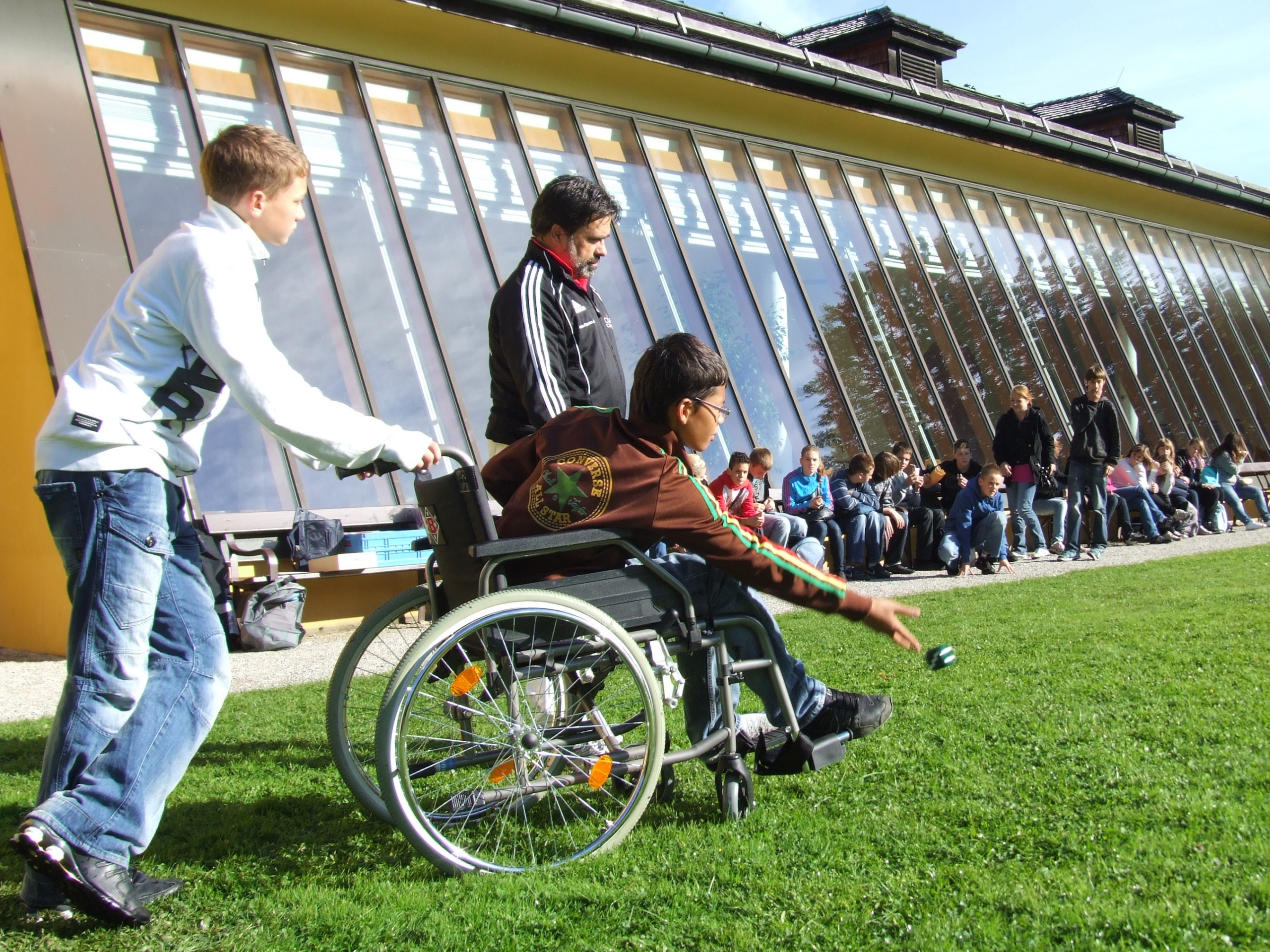
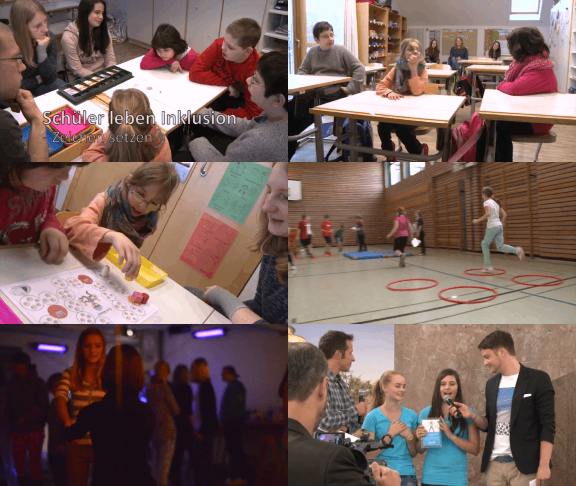
When people come together, no matter under what concomitant circumstances – ultimately, it is about how these people meet and how openly they interact with one another.

Ceramic
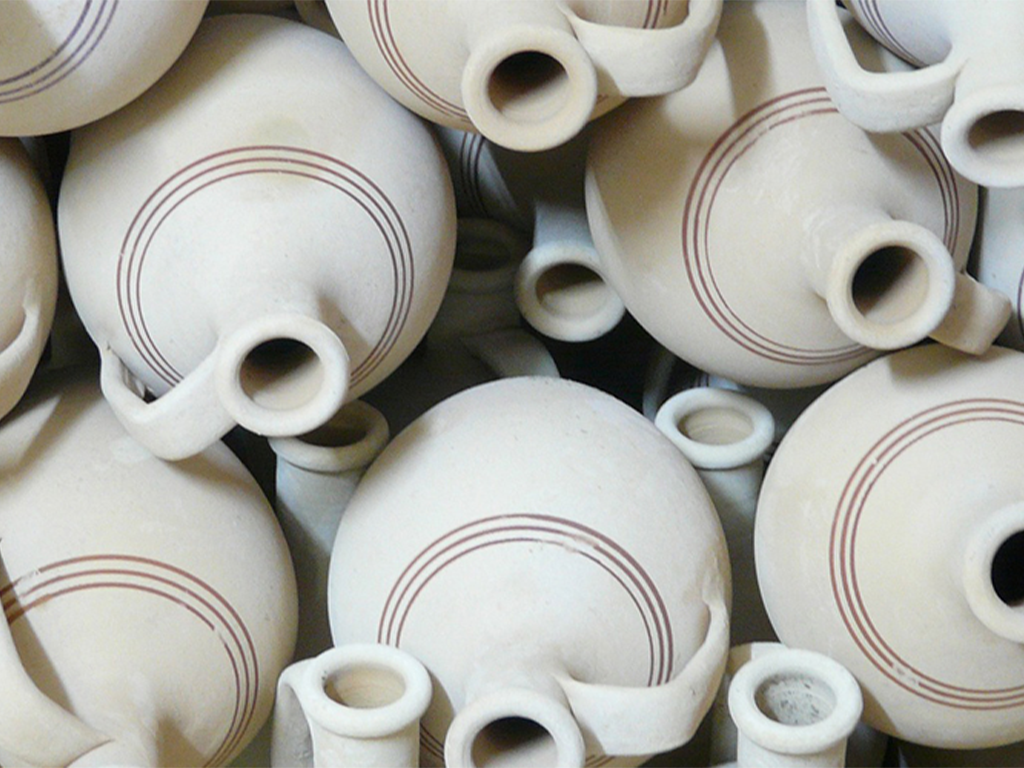
Ceramics are indispensable in our everyday lives. We eat from ceramic plates, drink from ceramic cups, use tiled ceramic bathrooms. But how is ceramic manufactured? The film reveals the secrets of this fascinating material! We get to know more about the beginnings of ceramic in the Old World of Egypt and Mesopotamia, about Greece, China and Rome. We gain interesting insights into the valuable earthenware and are also shown the exquisite further development of the "white gold". Today this versatile material is irreplaceable in industry, too. Whether in space or as an easily compatible substitute in medicine, ceramic is applied in many places.

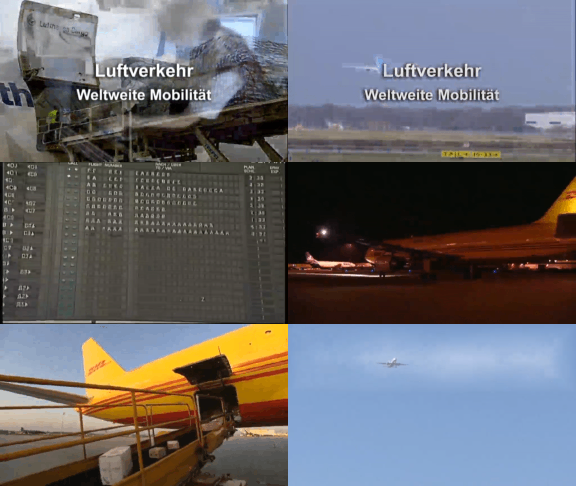
Air Traffic
Being able to fly has been a dream of humanity from time immemorial. But it does not even date back a century that people actually started being able to travel through the air. Since the 1960s, the number of flight passengers has been constantly increasing. Thus, the airspace is no longer dominated by birds but by man-made flying objects.