







 Primary School

4665854 / 5558089
Marine Mammals
Whales and Sea Cows
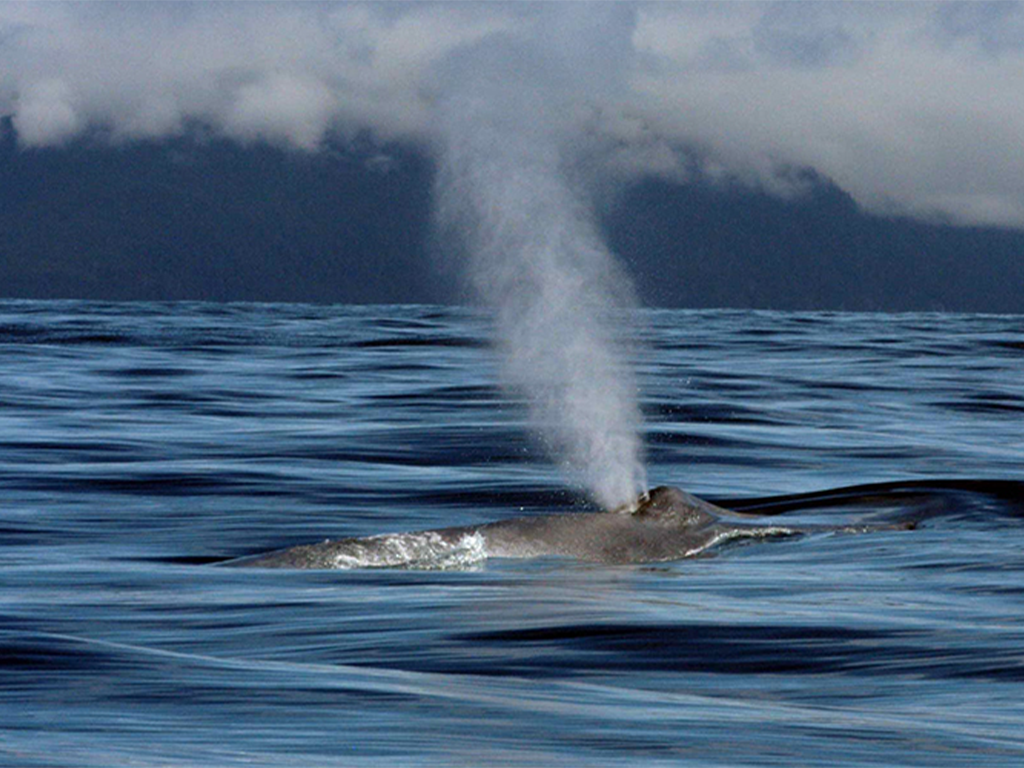
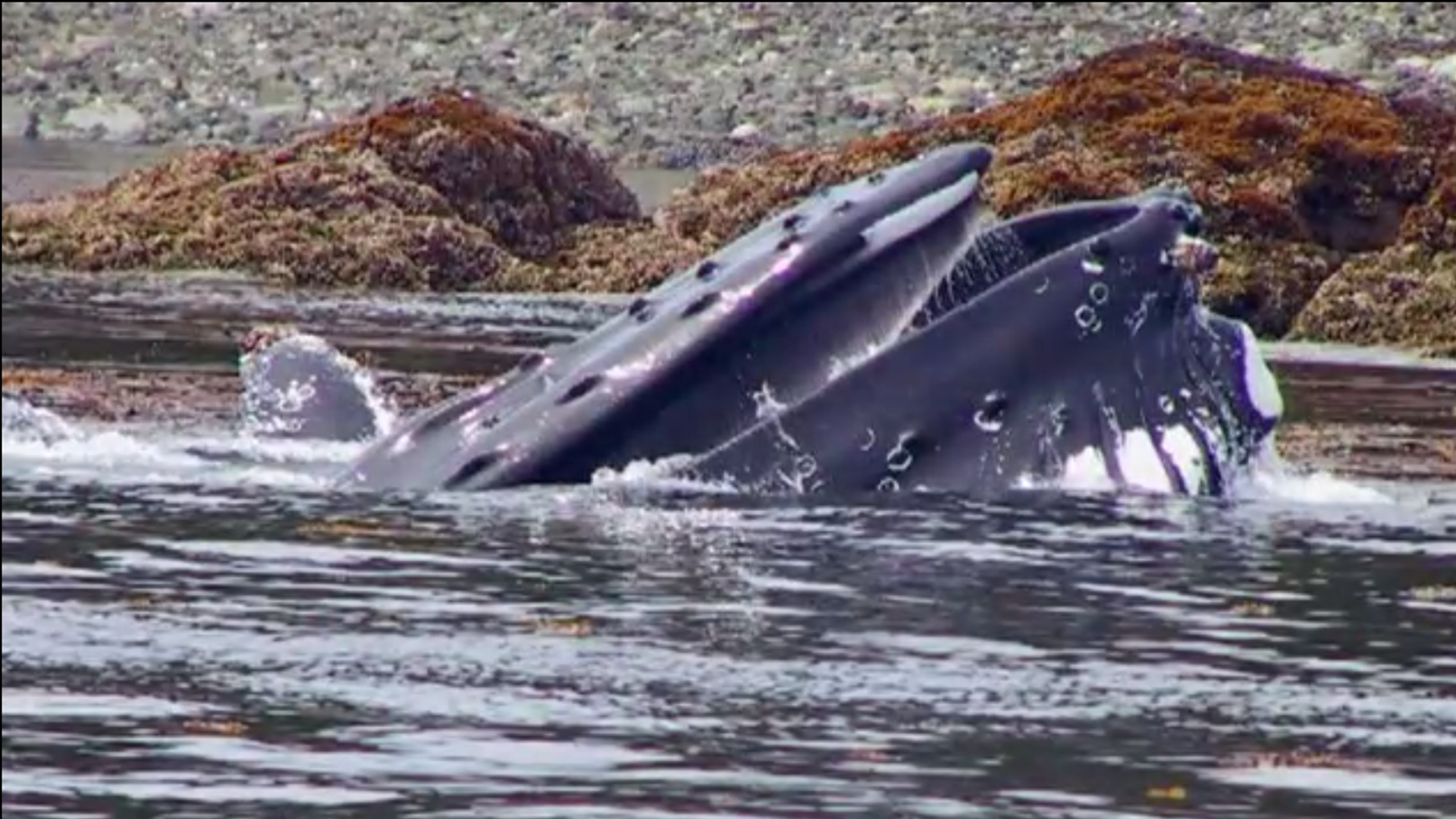
The oceans are the home of whales, which look like fish but, in fact, are mammals like we humans and breathe with their lungs. The film shows the peculiarities of whales, which are divided into two main groups: baleen whales and toothed whales. Baleen whales, among which there is also the blue whale, the biggest of all whales, feed on tiny crustaceans called krill. Toothed whales feed on fish, crabs and other marine animals. One of the best known representatives is the killer whale, which is the fastest marine mammal with a speed of up to 55 km/h. With their leaps they delight the audiences in sea life aquariums. Whether they should be kept like that is a highly controversial issue, however. Whales are also much coveted because of their fat, meat and oil. Having been ruthlessly killed, whales have amost been wiped out and today are subject to international protection. Whale watching boosts people’s interest in these formidable animals. Another threatened animal species lives in the warm and shallow waters of Central America: the sea cows, which feed exclusively on plants and surface for breathing every 2 to 5 minutes. With the extensive accompanying material this DVD is perfectly suited for use in the classroom.
Play trailer
- <> Languages : DE, EN, TR
- <> Target Groups : GRU
- <> Subject : Primary School
- <> Length : 26:07 min
- View in learning platform
Licenses
Curriculum-centred and oriented towards educational standards
Matching
Seal of approval
Quality seals such as the "Bio-Siegel", "Blauer Engel", "Stiftung Warentest" and up to 1,000 other seals represent characteristics such as sustainability, health or safety with regard to a product, a service or even a company.


Mobile Learning II
Oh, what’s that? Original soundtrack Thissen: “As our children grow up in a media world and naturally handle the media, they should also be a topic in school.“ An older child says the point is that they don’t just load down apps but create things themselves that haven’t existed so far. Hi, I’m Jana. A propeller hat. I’ll put it on. Now I’m no longer a simple rhino, but a flying rhino. Original soundtrack Thissen: “It’s exactly the great flexibility of tablets that promotes very personalised and adapted learning.” Original soundtrack Welzel: “It’s fascinating to see how the children grow with their products and how they always want to improve them.” The Westminster Abbey is a church in London for the royal family. Original soundtrack Welzel: “And?“ They think it is ok.
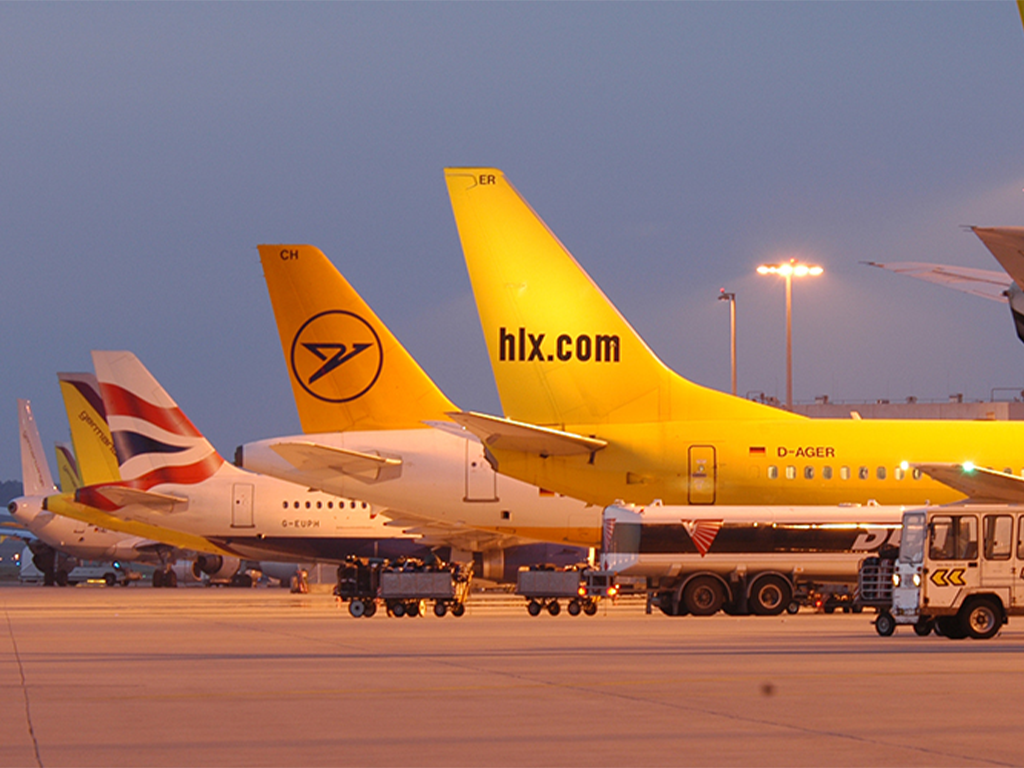
Air Traffic
Being able to fly has been a dream of humanity from time immemorial. But it does not even date back a century that people actually started being able to travel through the air. Since the 1960s, the number of flight passengers has been constantly increasing. Thus, the airspace is no longer dominated by birds but by man-made flying objects.