






 Politics / Civics
4665877 / 5558102
The European Parliament
EU Laws
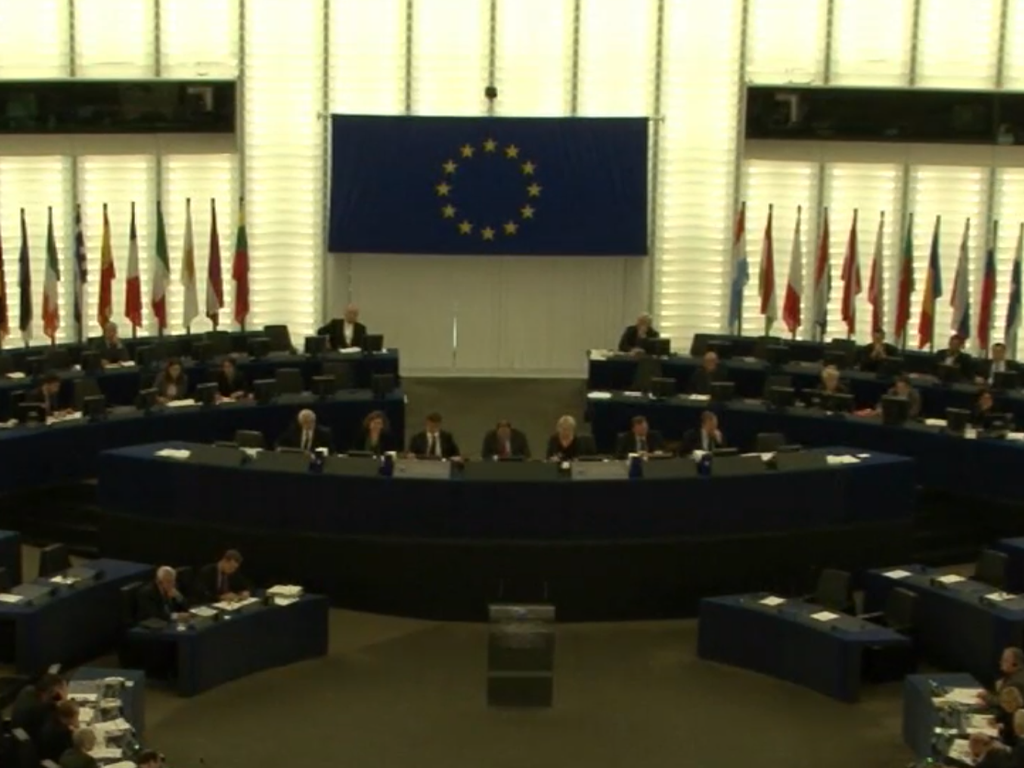
The European Union is a union consisting of 27 European states. Currently its population comprises about 500 million inhabitants. 17 of these states have a common currency. Its aim is a pan-European area of freedom, security and justice. The European Parliament is elected every five years by the EU citizens and is thus the only directly elected body. The European Parliament shares its legislative function with the Council of the European Union, wherein the governments of the individual member states are represented, and the European Commission, which represents the interests of the EU as a whole. These three institutions together develop the political strategies and legislative provisions which are applied throughout the EU. The European Parliament ensures uniform pan-European regulations. Citizens profit from them for example for data protection, for mobile tariffs, for working and living in Europe and much more besides! Together with the extensive accompanying material the DVD is ideally suited for use in the classroom.
Play trailer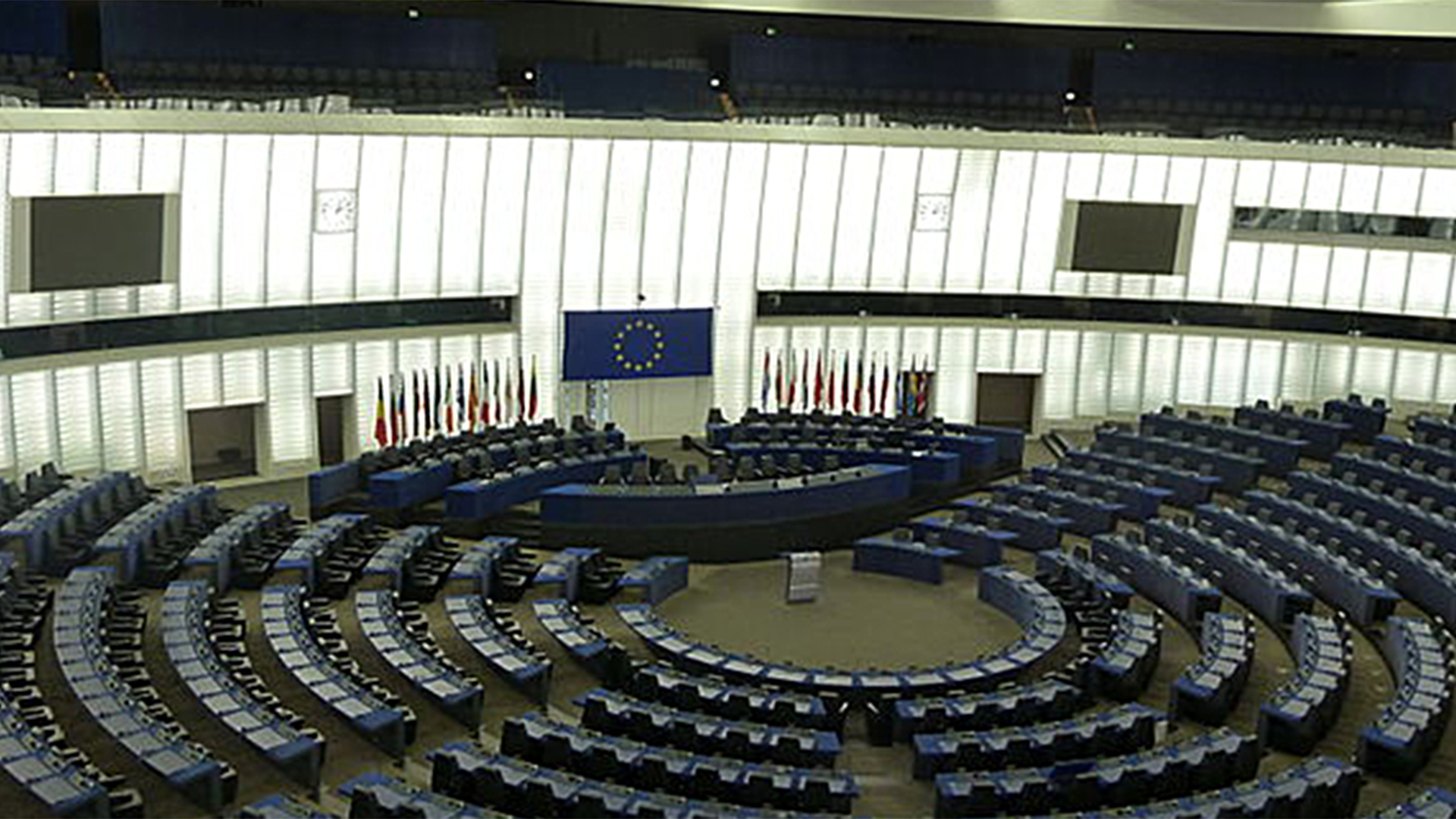
Curriculum-centred and oriented towards educational standards
Matching
Copyright
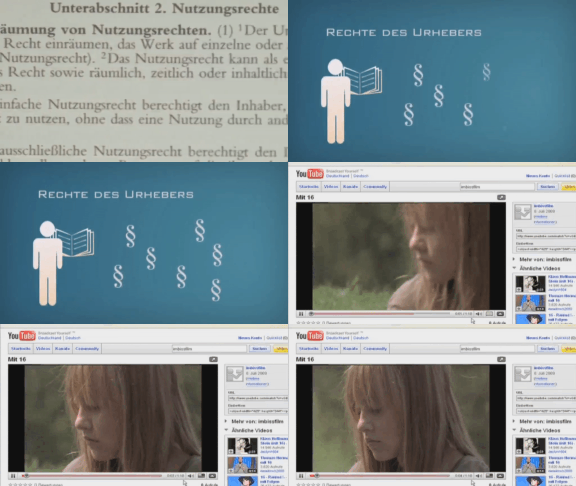
Copyright is subject to constant change to keep up with technological advances. This film enables the viewer to grasp the basic principles of this extremely intricate matter. By way of introduction, the film defines what an author is, what kinds of works there are and how long a work is protected on principle. Then the fundamental rights of an author are cited and it is shown how these are exploited in our times. In the third chapter, the respective rights are illustrated by way of practice-oriented examples of books, photos, music and films. Here, of course, an emphasis is laid on the field of education, taking into account the latest case law within the EU and Austria in particular. A further chapter highlights the problems arising with the Internet and goes into the citation law and pirate copies. All in all, in this way the viewer is made familiar with the most important basic terms and their meanings. Comprehensive worksheets and additional accompanying material invite us to deepen our knowledge of the subject.
Ceramic
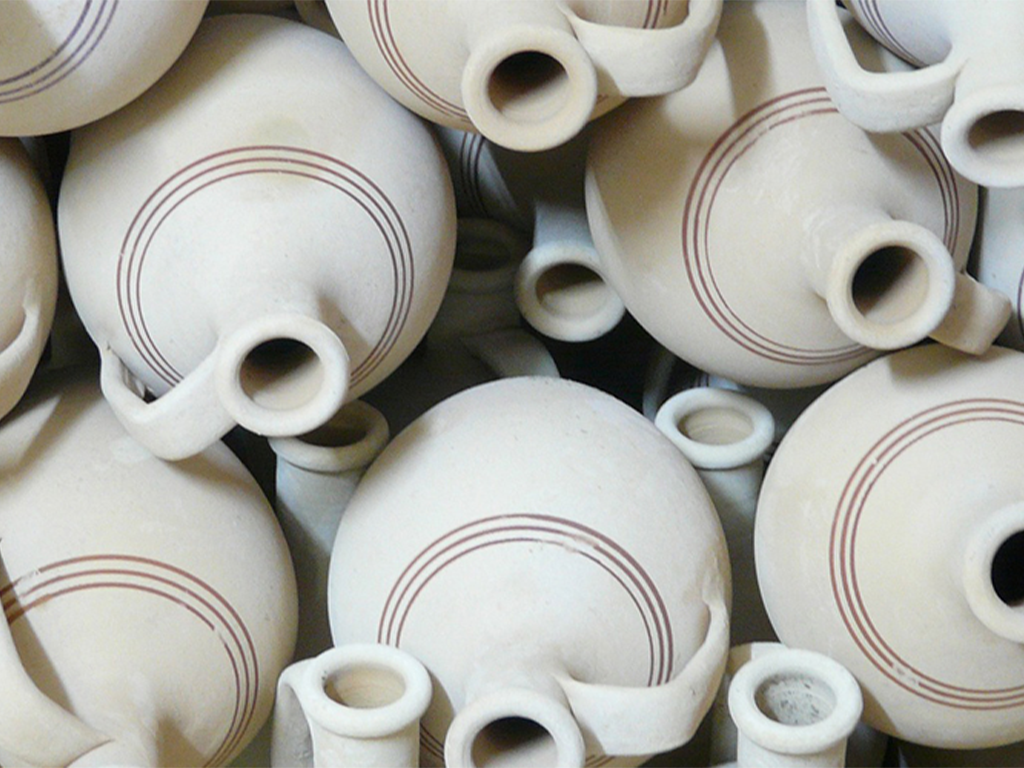
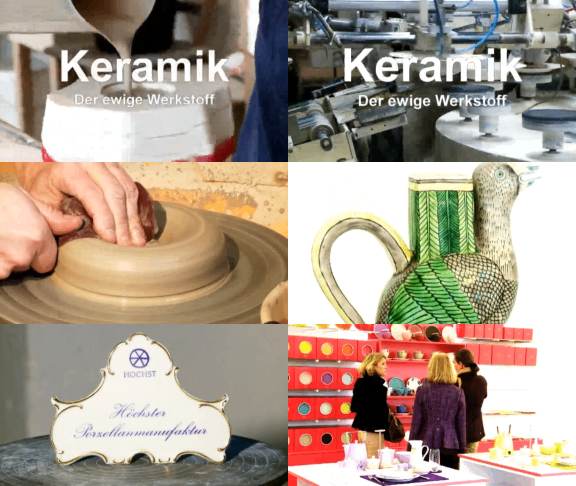
Ceramics are indispensable in our everyday lives. We eat from ceramic plates, drink from ceramic cups, use tiled ceramic bathrooms. But how is ceramic manufactured? The film reveals the secrets of this fascinating material! We get to know more about the beginnings of ceramic in the Old World of Egypt and Mesopotamia, about Greece, China and Rome. We gain interesting insights into the valuable earthenware and are also shown the exquisite further development of the "white gold". Today this versatile material is irreplaceable in industry, too. Whether in space or as an easily compatible substitute in medicine, ceramic is applied in many places.


Mobile Learning II
Oh, what’s that? Original soundtrack Thissen: “As our children grow up in a media world and naturally handle the media, they should also be a topic in school.“ An older child says the point is that they don’t just load down apps but create things themselves that haven’t existed so far. Hi, I’m Jana. A propeller hat. I’ll put it on. Now I’m no longer a simple rhino, but a flying rhino. Original soundtrack Thissen: “It’s exactly the great flexibility of tablets that promotes very personalised and adapted learning.” Original soundtrack Welzel: “It’s fascinating to see how the children grow with their products and how they always want to improve them.” The Westminster Abbey is a church in London for the royal family. Original soundtrack Welzel: “And?“ They think it is ok.