







 History
4656546 / 5551272
Ways to Democracy
From the 19th Century to the Present
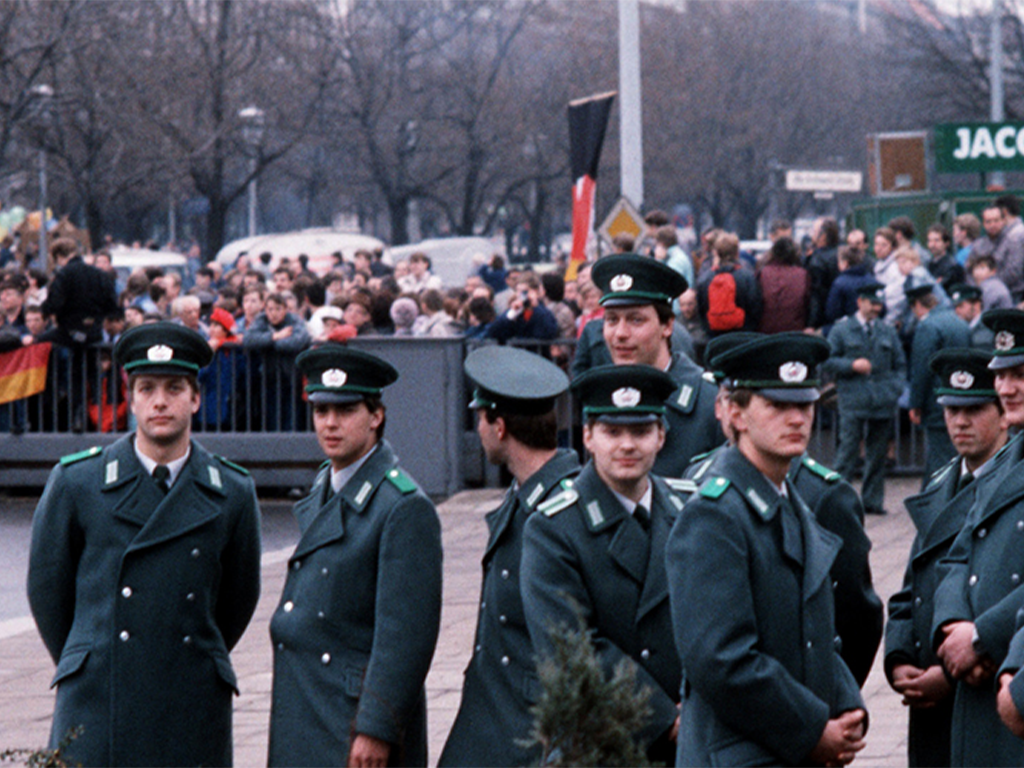
This film shows the most important stages on the way to the development of democracy in Germany. It begins with the foundation (1792) and quick end (1793) of the Republic of Mainz in the course of the French Revolution, gives an account of the Hambacher Fest in the pre-March era and the failed revolution of 1848/49, contemplates the democratic development in the German empire and the late realisation of the first German democratic national state in the Republic of Weimar. Other important steps are the erosion of the Weimar constitution after 1933, Germany’s transformation into the national socialist dictatorship and World War II as well as the formation of different democratic models in West Germany and East Germany after 1945. Finally, it is described where the rules of democracy can be explained and practiced today and what current dangers there are to the democratic system of government. The aim is to make pupils aware of the fact that democracy must not be taken for granted – it is a historical legacy that we always have to safeguard.
Play trailer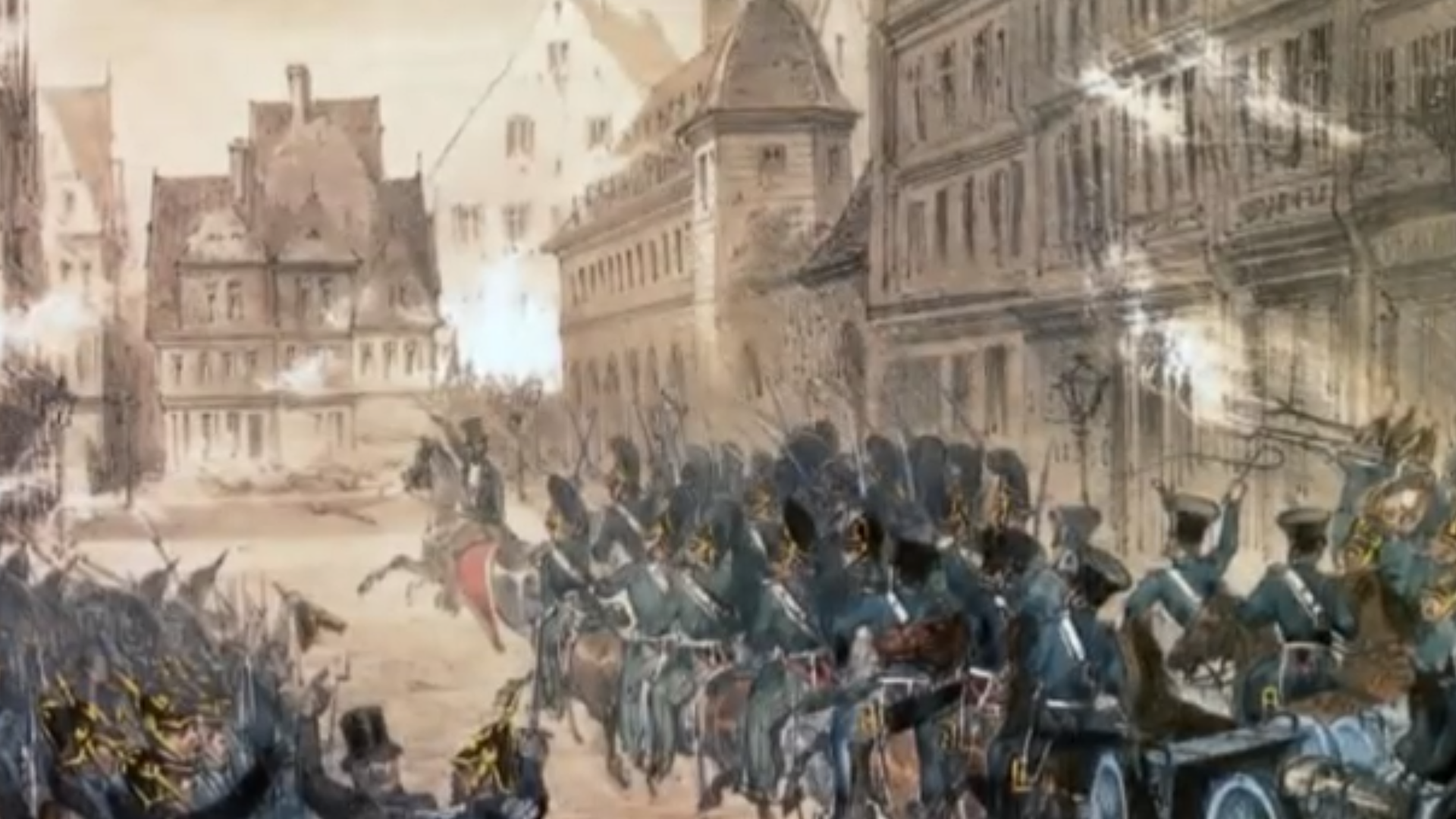
Curriculum-centred and oriented towards educational standards
Matching

Big Data
Original soundtrack young woman:

Computer Games
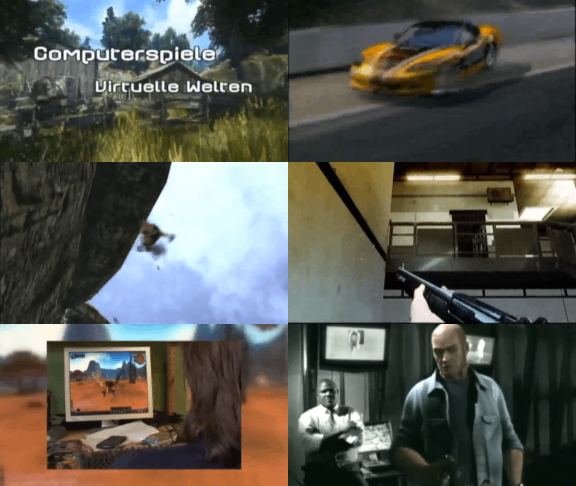
This film covers the topic of computer games in a variety of ways and from many different angles. Apart from the fascina- tion of computer games for users, the historical development as well as the production of computer games are described. The established genres are introduced, the guidelines of the German BPjM are explained. In light of recent public discussions, a neutral overview of the pros and cons of playing computer games is given, and different kinds of player behaviour are outlined. In this film, the pupils will recognise many aspects of their favourite pastime that encourage an independent, constructive use of this medium and reinforce their media competency. The film and teaching material are very closely related to the real-life situation.