







 Geography

4677114 / 5564403
Urbanisation
The Emergence of Metropolises
Cities, that is, concentrations of culture areas, existed already in ancient times, but the spread of metropolises worldwide, the so-called metropolisation, has developed at an explosive rate mostly during the last 20 to 50 years not only because metropolises are the economic engines of a world that has become global but also because they are centres of art, education and culture. Fashionable metropolises are hip and trendy.
But metropolisation worldwide also means, apart from increasing pollution and lack of living space, an increase in social exclusion, urban pauperism as well as mushrooming slums and particularly high unemployment levels, above all in the developing countries.
At present about 280 million people live in the twenty biggest metropolises.
With rising tendency.

Curriculum-centred and oriented towards educational standards
Matching
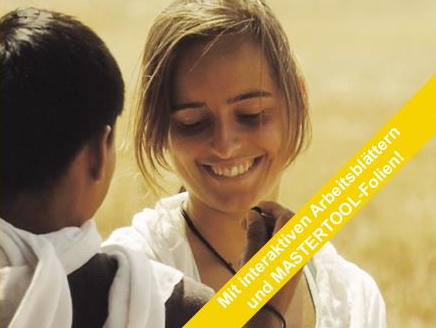

Part Time Kings
Your children are not your children

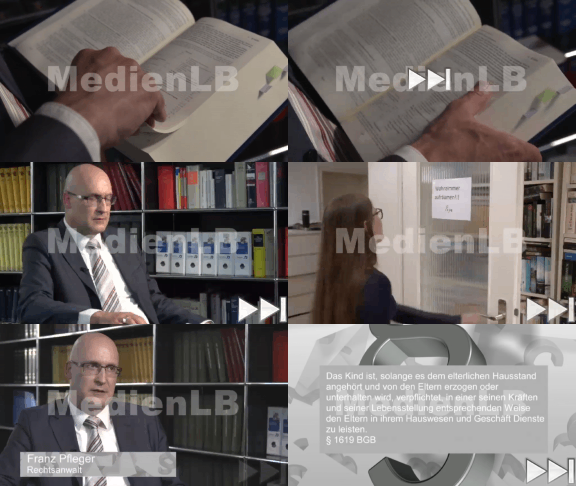
Rights and Obligations
Three girls of different ages: Anna is 17, Paula 15 and Lena 13. Before the law, their respective ages have consequences – because children and adolescents have different rights and also obligations.
Peer Mediation
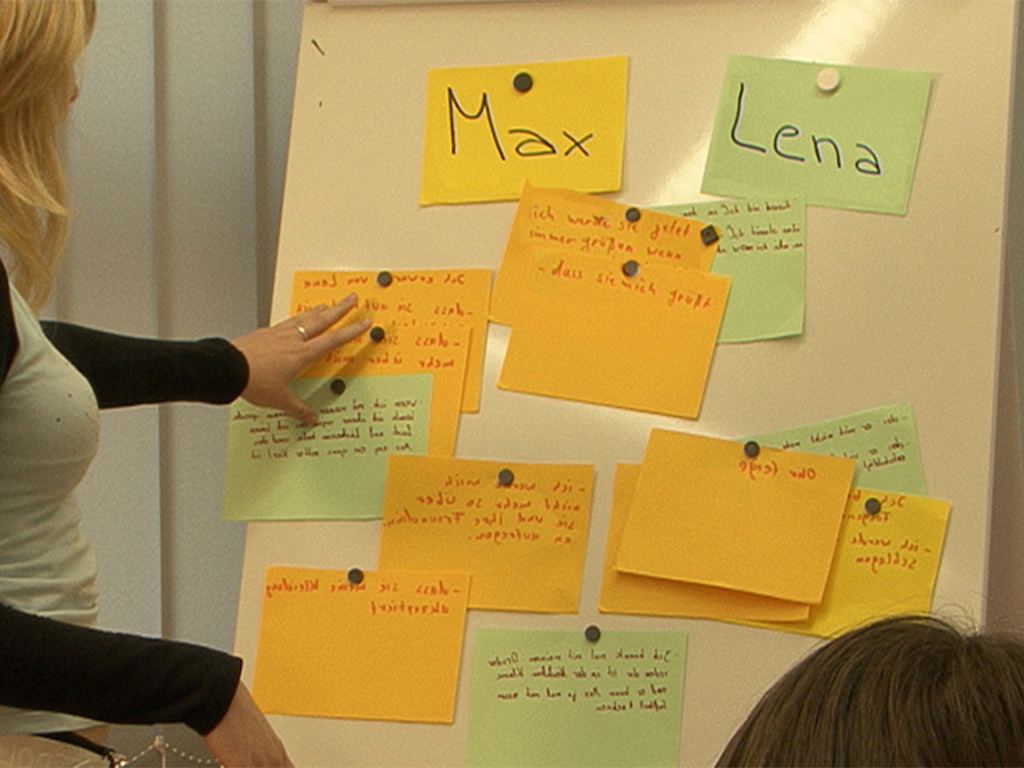
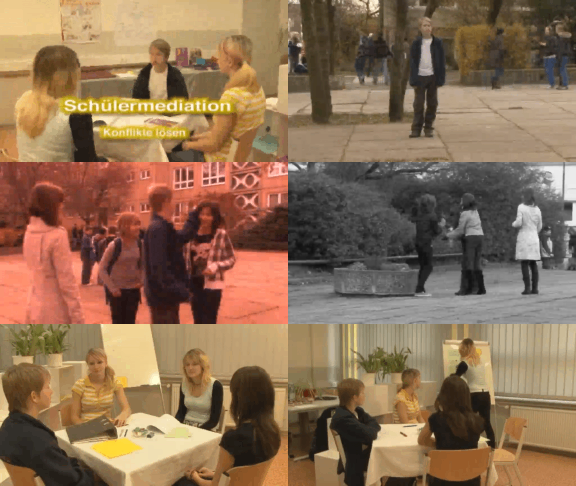
Lena and Max attend the 7th form. Max is new in class. During a break, Max notices that Lena and her friend are laughing at him again. Max loses his temper! He slaps Lena in the face. That hurts and Lena runs back into the classroom with a red cheek. The growing conflict between the two has escalated. Just like Lena and Max, every day pupils all over Germany have rows with each other. At the Heinrich Hertz Gymnasium in Thuringia, pupils have been trained as mediators for years. At set hours, they are in a room made available by the school specifically for mediation purposes. The film describes the growing conflict between Max and Lena and shows a mediation using their example. In doing so, the terms “conflict” and “peer mediation” are explained in a non-technical way. The aims of peer mediation and its progress in five steps as well as the mediators’ tasks are illustrated. The art of asking questions and “mirroring”, which the mediators must know, is described and explained. Together with the comprehensive accompanying material, the DVD is a suitable medium to introduce peer mediation at your school, too.