







 Religion

4667665 / 5558924
Popes
Politics of the Vatican City State
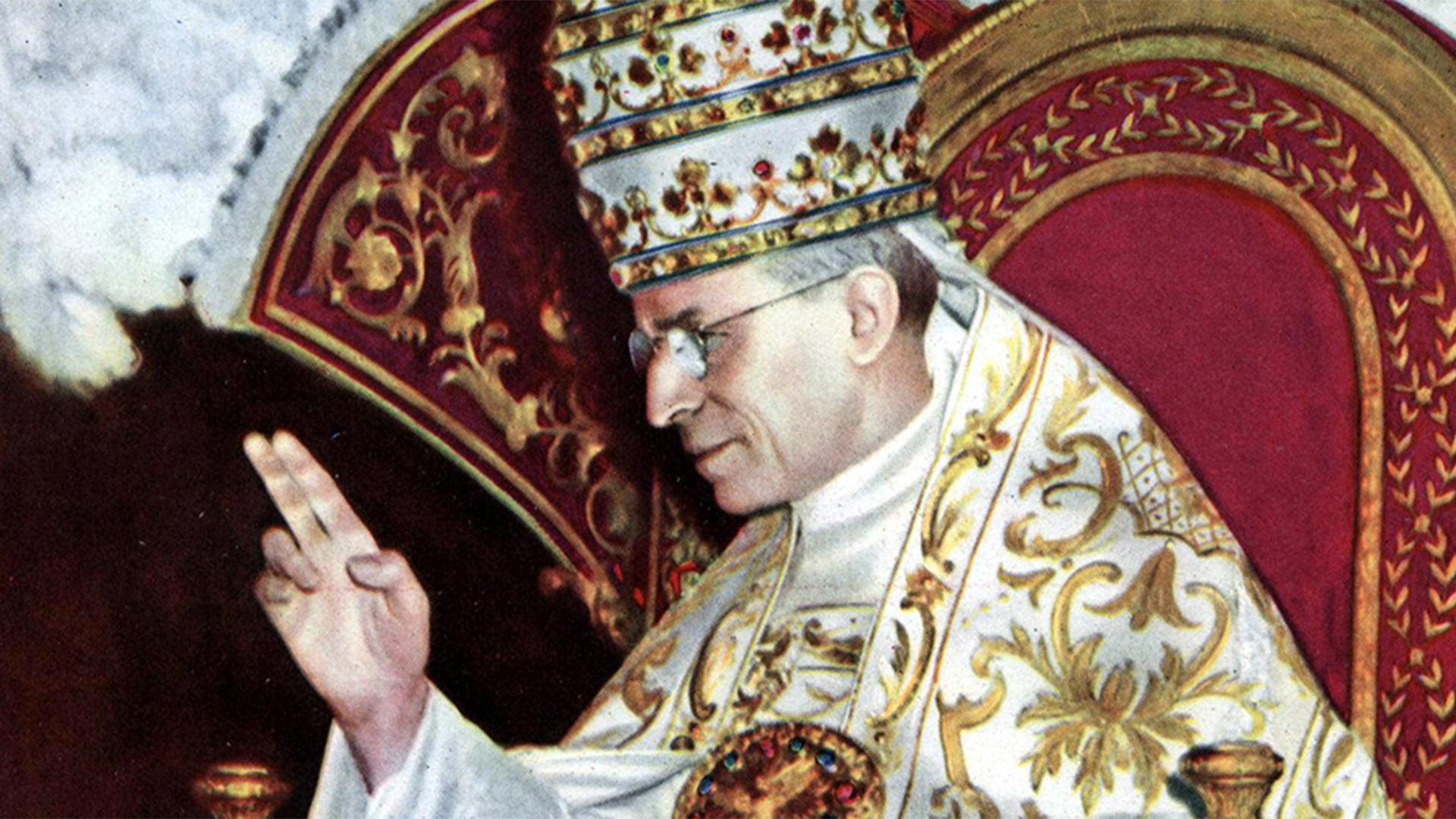
1922, St.Peter’s Square in Rome, at the dawn of a new era. On 6th February 1922, Achille Ratti, Archbishop of Milan, is elected Pope Pius XI. He addresses the faithful that have gathered on the square that is still Italian back then.
But the most important change in the history of the Church takes place in January 1929.
After almost 60 years of forced incorporation of the Papal States by Victor Emanuel II, now the Vatican City State is founded.
On 11th February, the Lateran Treaty between the Kingdom of Italy, represented by Benito Mussolini and the Holy See, represented by the Cardinal Secretary of State Pietro Gaspari, was signed.
Curriculum-centred and oriented towards educational standards
Matching


Mobile Learning II
Oh, what’s that? Original soundtrack Thissen: “As our children grow up in a media world and naturally handle the media, they should also be a topic in school.“ An older child says the point is that they don’t just load down apps but create things themselves that haven’t existed so far. Hi, I’m Jana. A propeller hat. I’ll put it on. Now I’m no longer a simple rhino, but a flying rhino. Original soundtrack Thissen: “It’s exactly the great flexibility of tablets that promotes very personalised and adapted learning.” Original soundtrack Welzel: “It’s fascinating to see how the children grow with their products and how they always want to improve them.” The Westminster Abbey is a church in London for the royal family. Original soundtrack Welzel: “And?“ They think it is ok.

Stalking
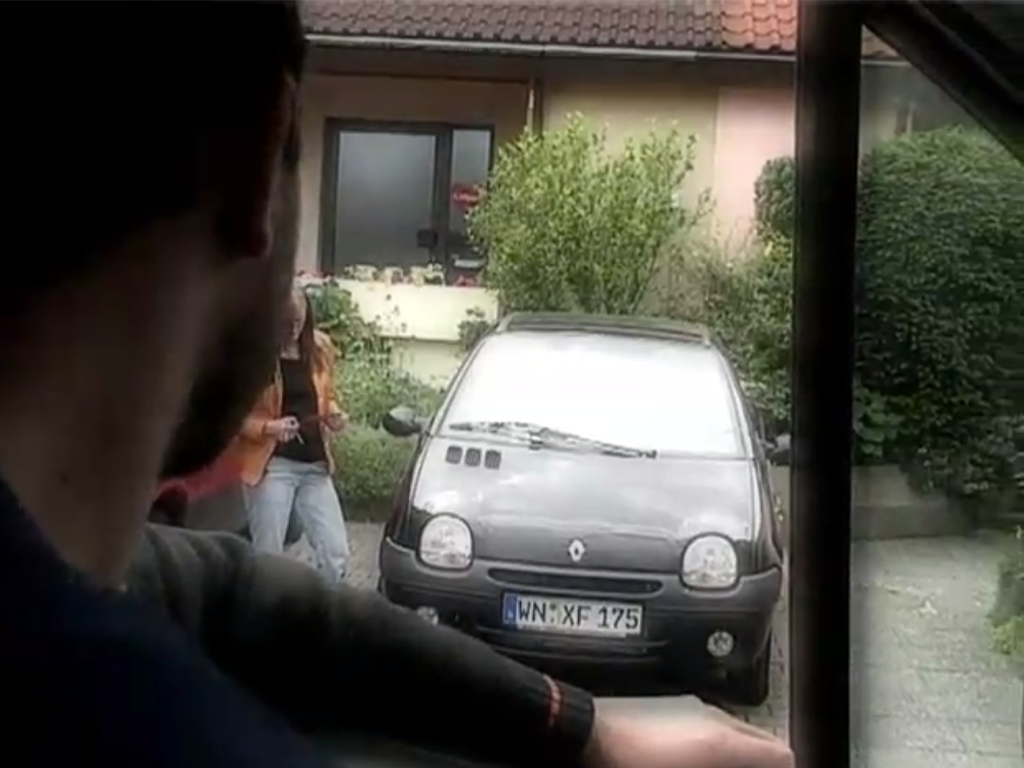
n Germany, 12 % of all federal citizens are pursued by a stalker once in their lives. And not only celebrities are among their victims! Everyone may be confronted with such a situation.
Ceramic
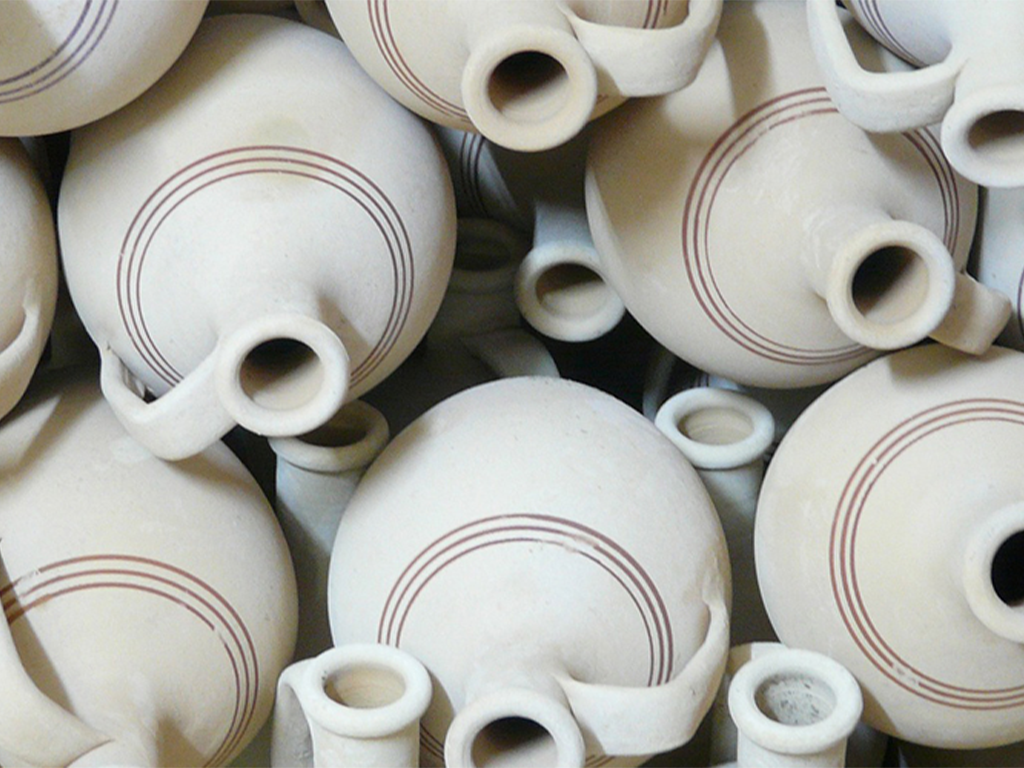
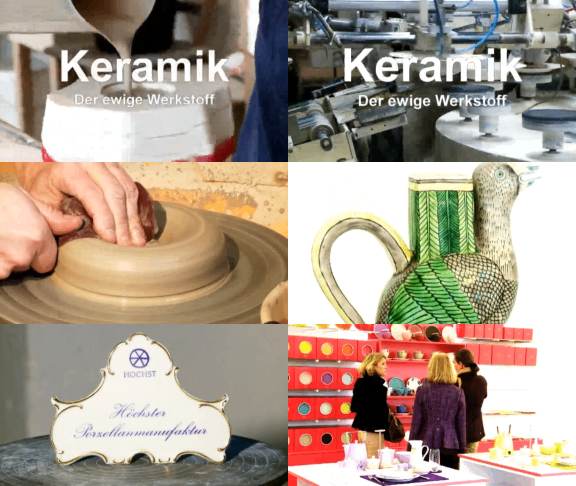
Ceramics are indispensable in our everyday lives. We eat from ceramic plates, drink from ceramic cups, use tiled ceramic bathrooms. But how is ceramic manufactured? The film reveals the secrets of this fascinating material! We get to know more about the beginnings of ceramic in the Old World of Egypt and Mesopotamia, about Greece, China and Rome. We gain interesting insights into the valuable earthenware and are also shown the exquisite further development of the "white gold". Today this versatile material is irreplaceable in industry, too. Whether in space or as an easily compatible substitute in medicine, ceramic is applied in many places.