







 Primary School

4665851 / 5558086
Pig
Wild Animal and Farm Animal
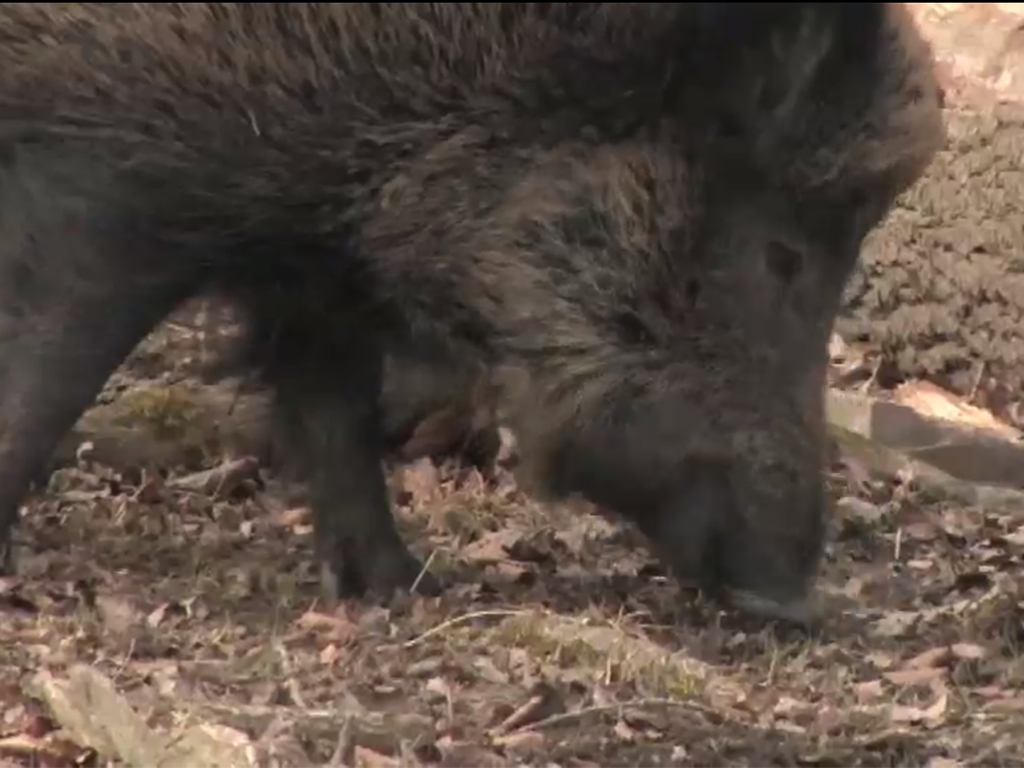
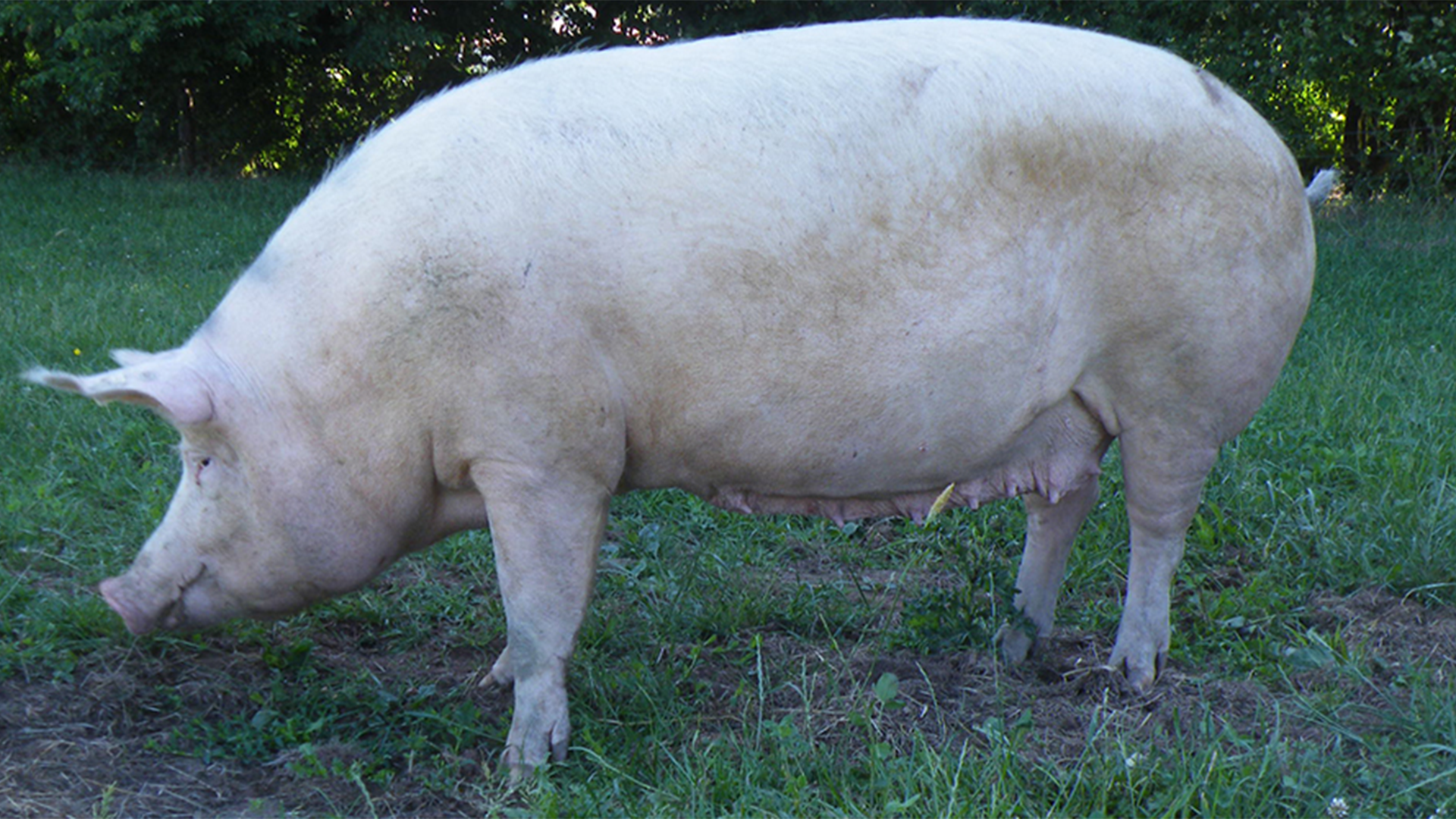
Pigs are considered good luck symbols and are an important food source. They are true olfactory artists and their auditory sense is excellently developed. Their vision, however, is not good at all. The film presents wild pigs and farm pigs and deals with the topics of factory farming and organic farming. Domestic pigs are descended from the wild boars spread all over Europe. Wild Boars are nocturnal animals, love wallowing in the mud, rub against tree trunks and feed on acorns and beechnuts. Domestic pigs might become up to 12 years old provided they were not already slaughtered at the age of six months and a weight of 100 kilogrammes. In factory farming large amounts of meat are to be produced fast and at little cost. This is detrimental to the health of man and animal. Contrary to factory farming, ecological farming ensures species-appropriate husbandry and sustainable production. Together with the extensive accompanying material the DVD is ideally suited for use in the classroom.
Play trailer
- <> Languages: DE, EN, TR
- <> Target Groups: FÖ, GRU
- <> Subject: Primary School
- <> Length: 20:17 min
- View in learning platform
Licenses
Curriculum-centred and oriented towards educational standards
Matching

Air Traffic
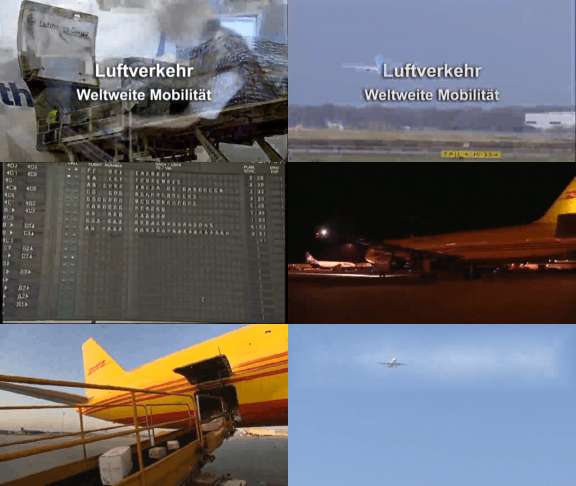
Being able to fly has been a dream of humanity from time immemorial. But it does not even date back a century that people actually started being able to travel through the air. Since the 1960s, the number of flight passengers has been constantly increasing. Thus, the airspace is no longer dominated by birds but by man-made flying objects.

Internet Addiction
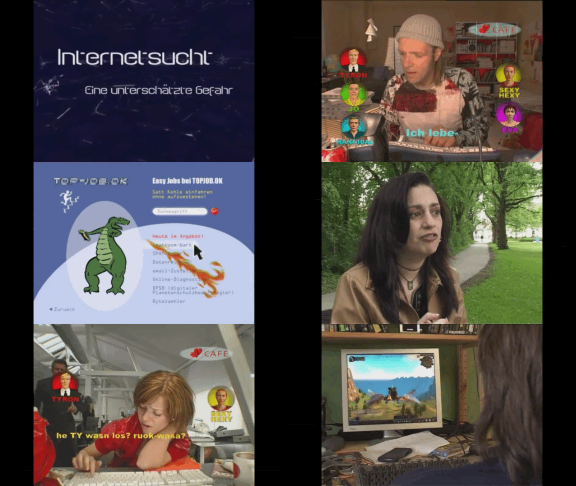
The film consists of two parts. The first part is the 15-minute short film “In the Net”. It describes the problem of excessive Internet use in a humorous way, in particular the risk of losing touch with reality when chatting. The second part illustrates with three real persons how Internet addiction can develop and the problems encountered by those who are afflicted. The authentic statements are commented by an experienced therapist. For many pupils, the issues addressed here are related to their everyday lives. What is a “sensible” use of the Internet, where does pathological addiction start? In contrast to addiction to alcohol, nicotine or drugs, the public seems to be largely ignorant of the problem of this addiction, which is not related to any substance abuse. The film provides material for discussion in the classroom (crossdisciplinary) and can be used as a basis for the formulation of prevention strategies.
Podcasting
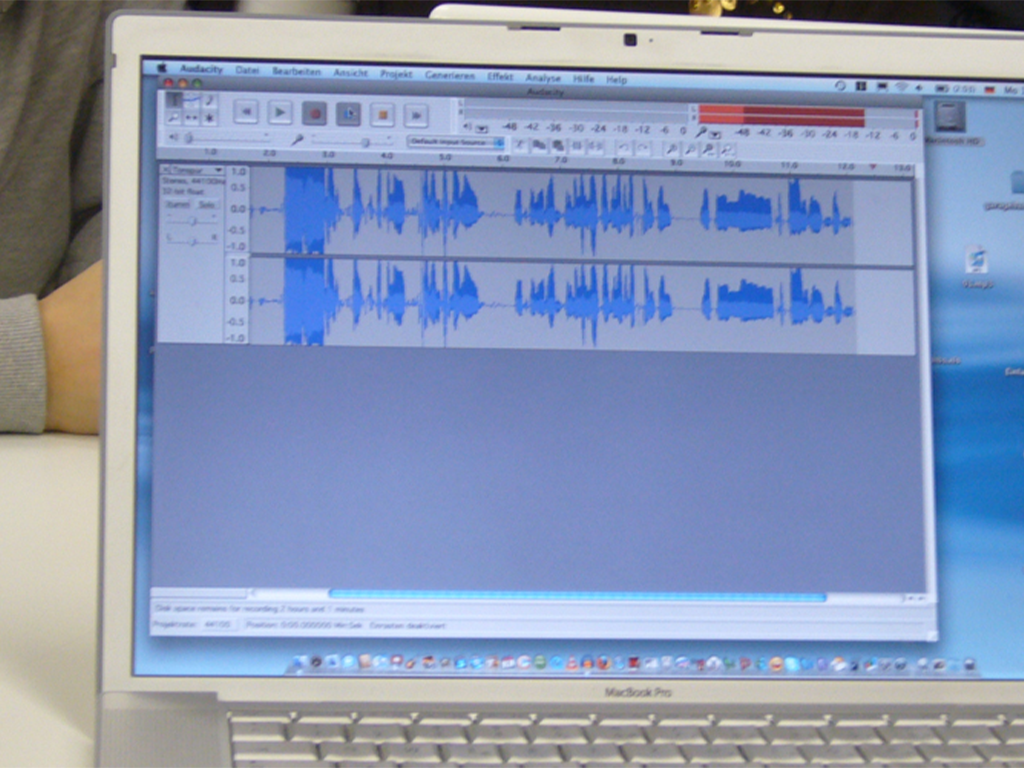
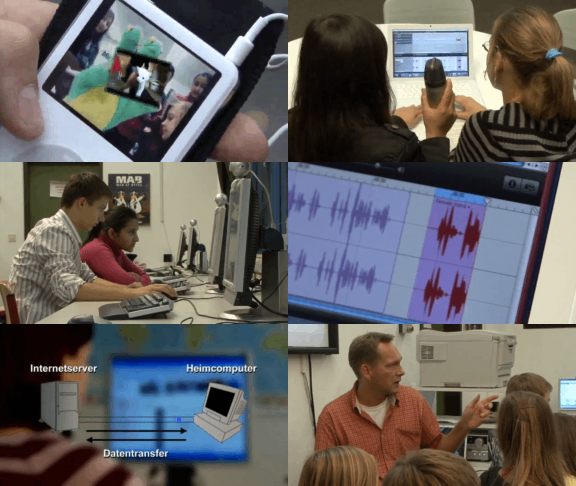
Today, the use of new media has become a matter of course not only in everyday life – schools and teaching, too, benefit from the new technologies and methods, which support active and independent learning. Especially in computer science, ethics and language courses but also in all other subjects, modern media are a valuable pedagogic and didactic asset. This DVD uses the example of podcasts to demonstrate how the possibilities opened up by new media can be applied in the classroom and how the pupils can be taught to handle them in a competent and target-oriented manner. The film is aimed at supporting the use of podcasts at school and encourages making them. This also requires the ability to find information on the Internet and assess it. The film informs on the functionality of podcasts and technical background as well as on the teaching and learning possibilities offered by podcasts – ranging from specific contents to superordinate learning targets such as the advancement of creativity and team spirit. The DVD is a useful support for teachers applying new media and wishing to show their pupils how to handle Running Time: 20:29 ms them in a sensible way.