






 Politics / Civics
4665878 / 5558103
Migration
and Integration
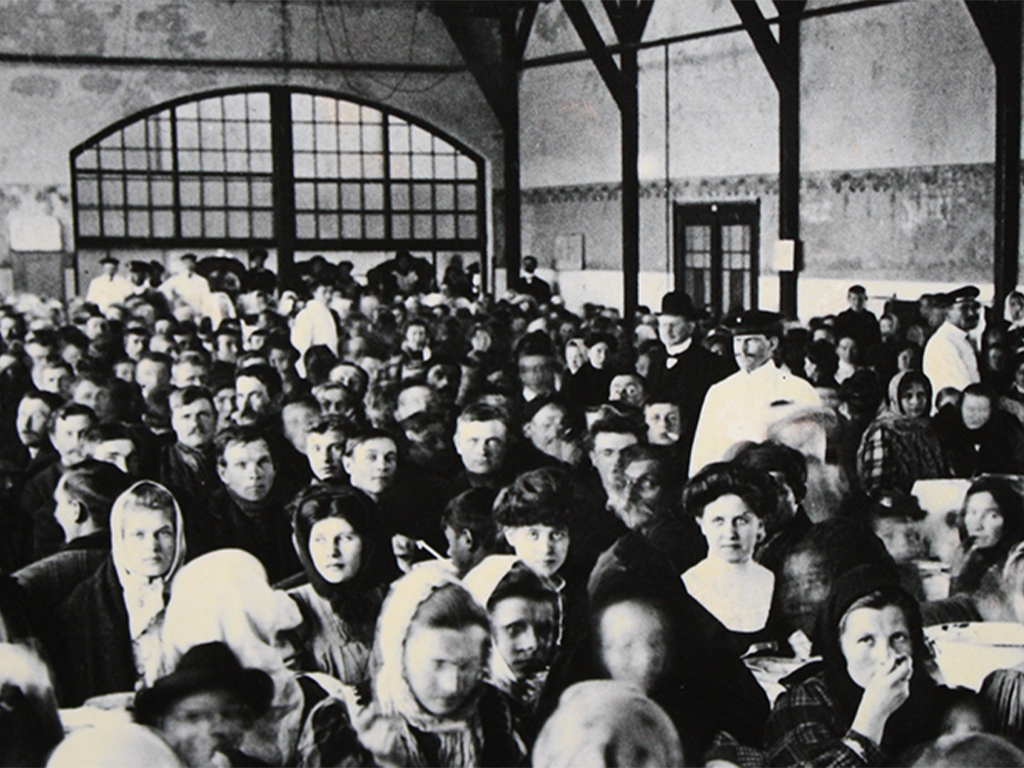
Migration and integration are central topics of future relevance in politics as well as in the public mind. Germany has long been a country of immigration. This can constantly be seen in everyday life: in the playground, in the underground, in the office or in the schoolyard. At school, in particular, this immigration society is being lived and experienced every day. Here, the groundwork for the future of our society is also being laid. In order to be able to explore the topic first-hand we have visited a school in Nuremberg with a large amount of pupils having a migration background. In project groups, the pupils of the 11th form of the Pirckheimer Gymnasium have already been investigating in depth the topics of migration and integration. Their assessments of the subject area were recorded and integrated into the overall context. The DVD is divided into substantial chapters on forms, causes and consequences of migration, on the history of migration in Germany, on political and legal framework conditions and on integration as a challenge and an opportunity. In the accompanying material, tasks providing further interest and insight are available that have been adapted to the content of the film.
Play trailer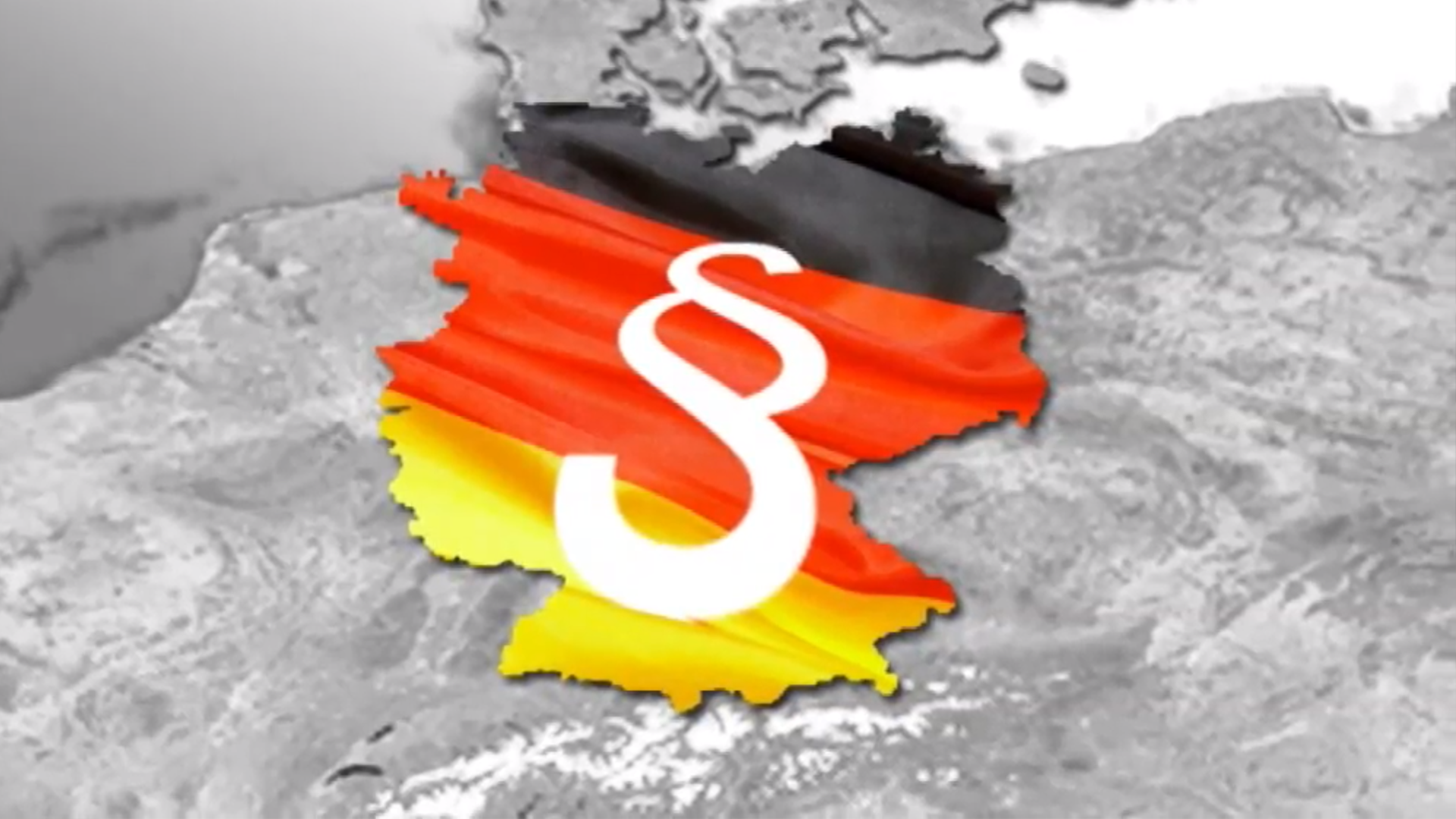
Curriculum-centred and oriented towards educational standards
Matching
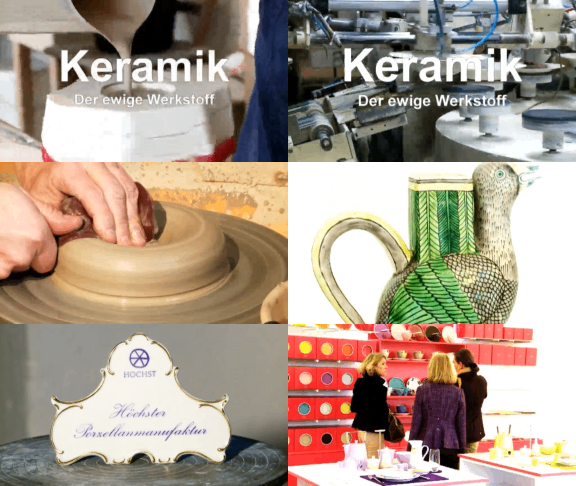
Ceramic
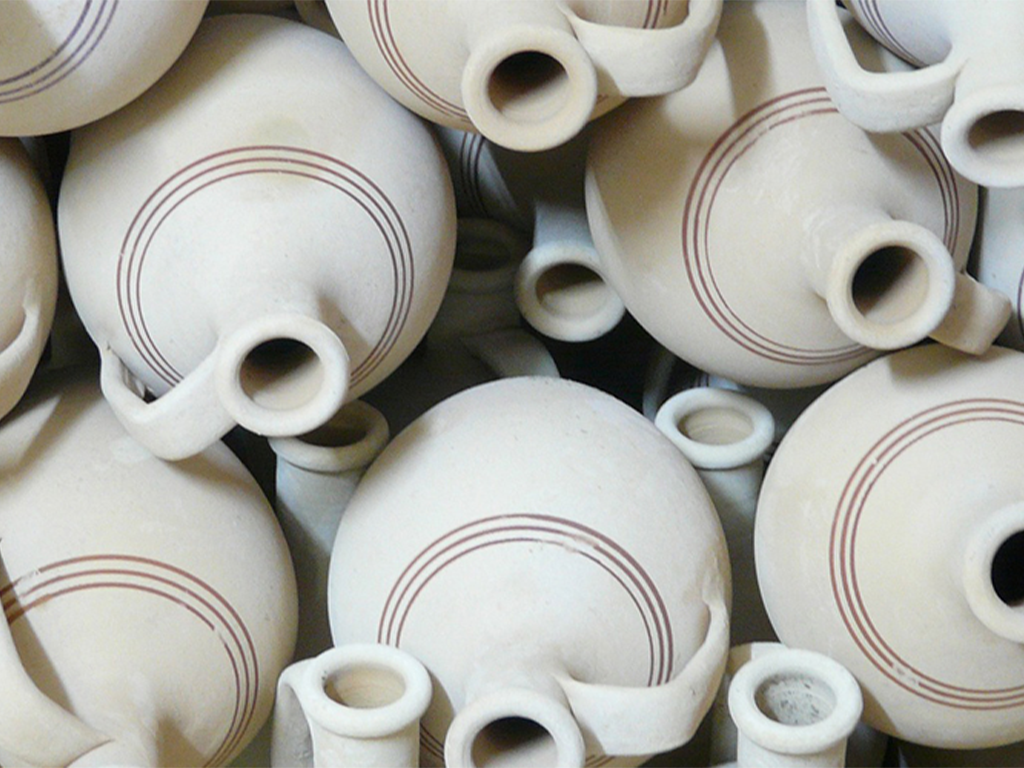
Ceramics are indispensable in our everyday lives. We eat from ceramic plates, drink from ceramic cups, use tiled ceramic bathrooms. But how is ceramic manufactured? The film reveals the secrets of this fascinating material! We get to know more about the beginnings of ceramic in the Old World of Egypt and Mesopotamia, about Greece, China and Rome. We gain interesting insights into the valuable earthenware and are also shown the exquisite further development of the "white gold". Today this versatile material is irreplaceable in industry, too. Whether in space or as an easily compatible substitute in medicine, ceramic is applied in many places.
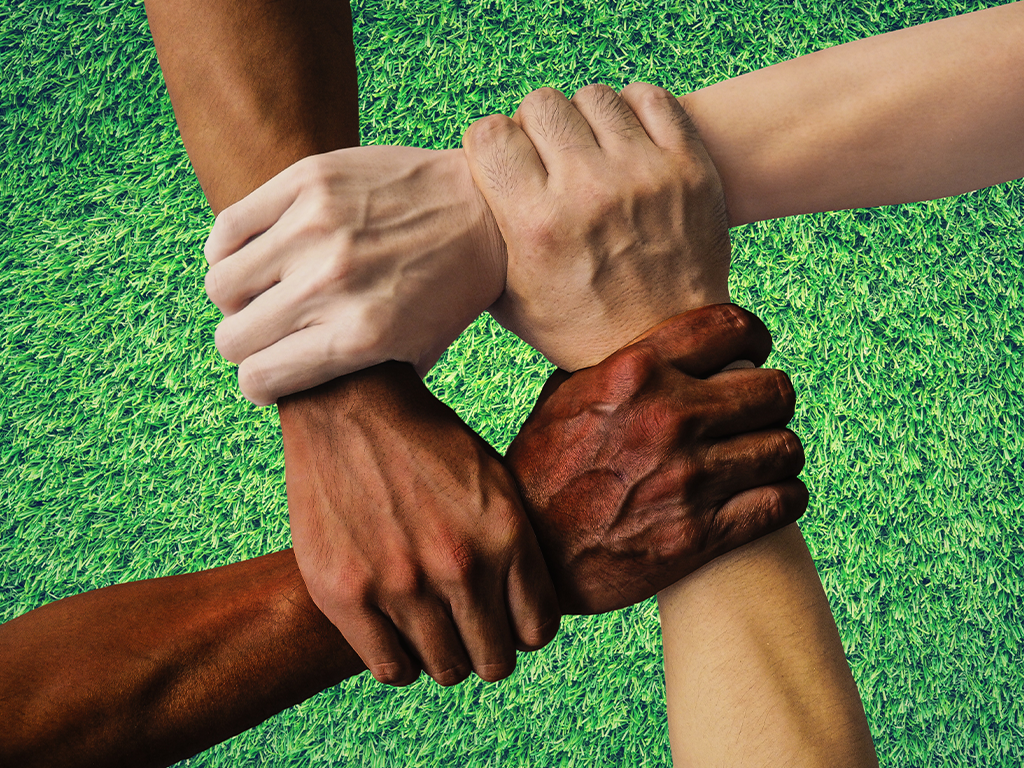
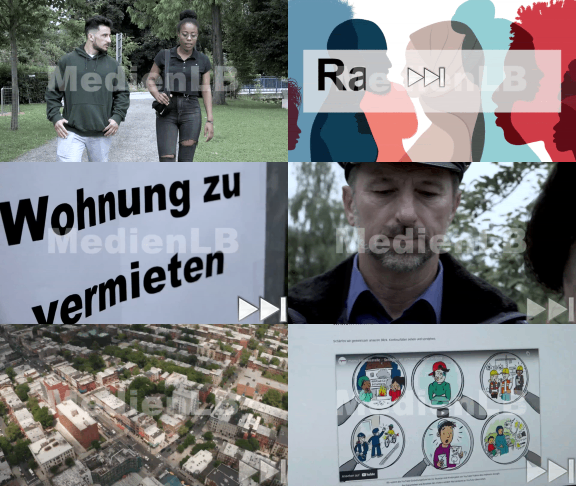
Racism
Do you perhaps know that?
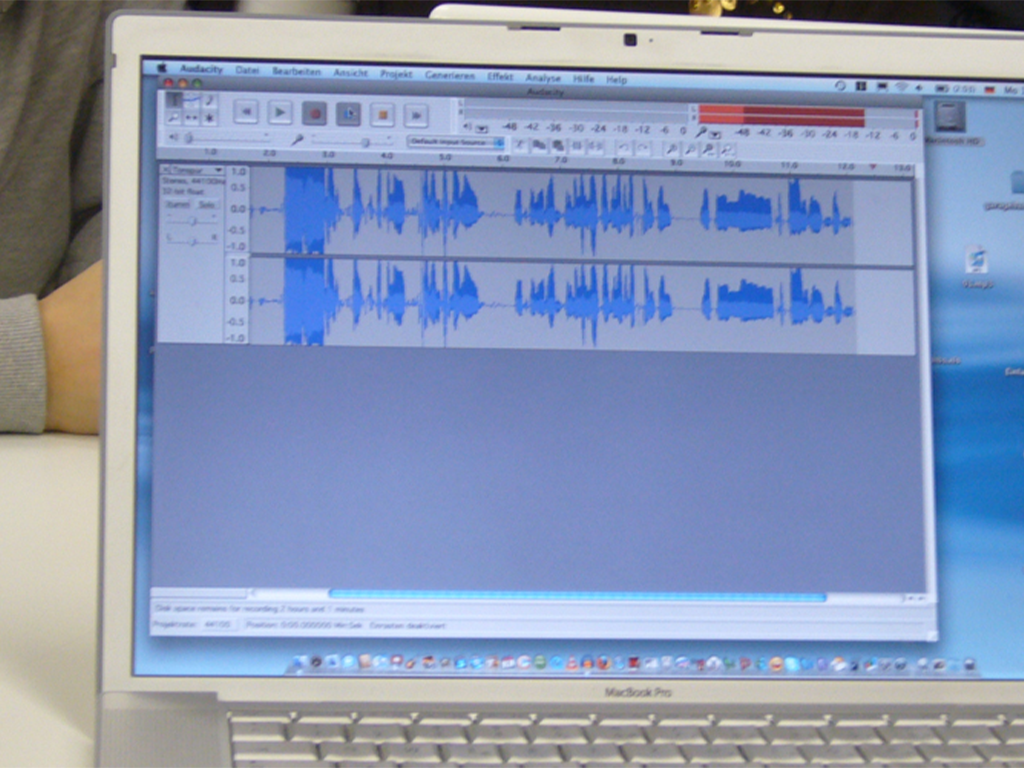
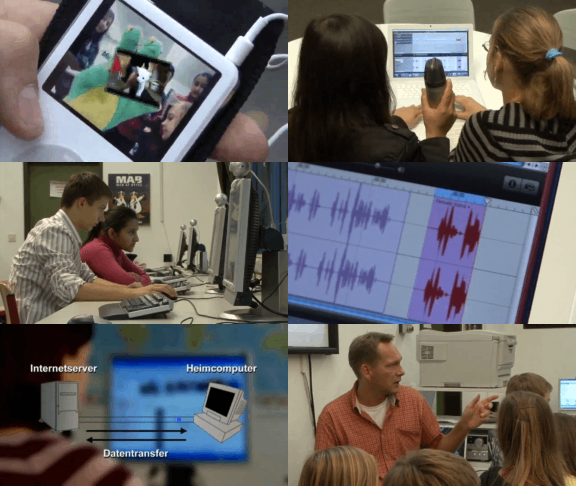
Podcasting
Today, the use of new media has become a matter of course not only in everyday life – schools and teaching, too, benefit from the new technologies and methods, which support active and independent learning. Especially in computer science, ethics and language courses but also in all other subjects, modern media are a valuable pedagogic and didactic asset. This DVD uses the example of podcasts to demonstrate how the possibilities opened up by new media can be applied in the classroom and how the pupils can be taught to handle them in a competent and target-oriented manner. The film is aimed at supporting the use of podcasts at school and encourages making them. This also requires the ability to find information on the Internet and assess it. The film informs on the functionality of podcasts and technical background as well as on the teaching and learning possibilities offered by podcasts – ranging from specific contents to superordinate learning targets such as the advancement of creativity and team spirit. The DVD is a useful support for teachers applying new media and wishing to show their pupils how to handle Running Time: 20:29 ms them in a sensible way.