







 German

46504559 / 55503727
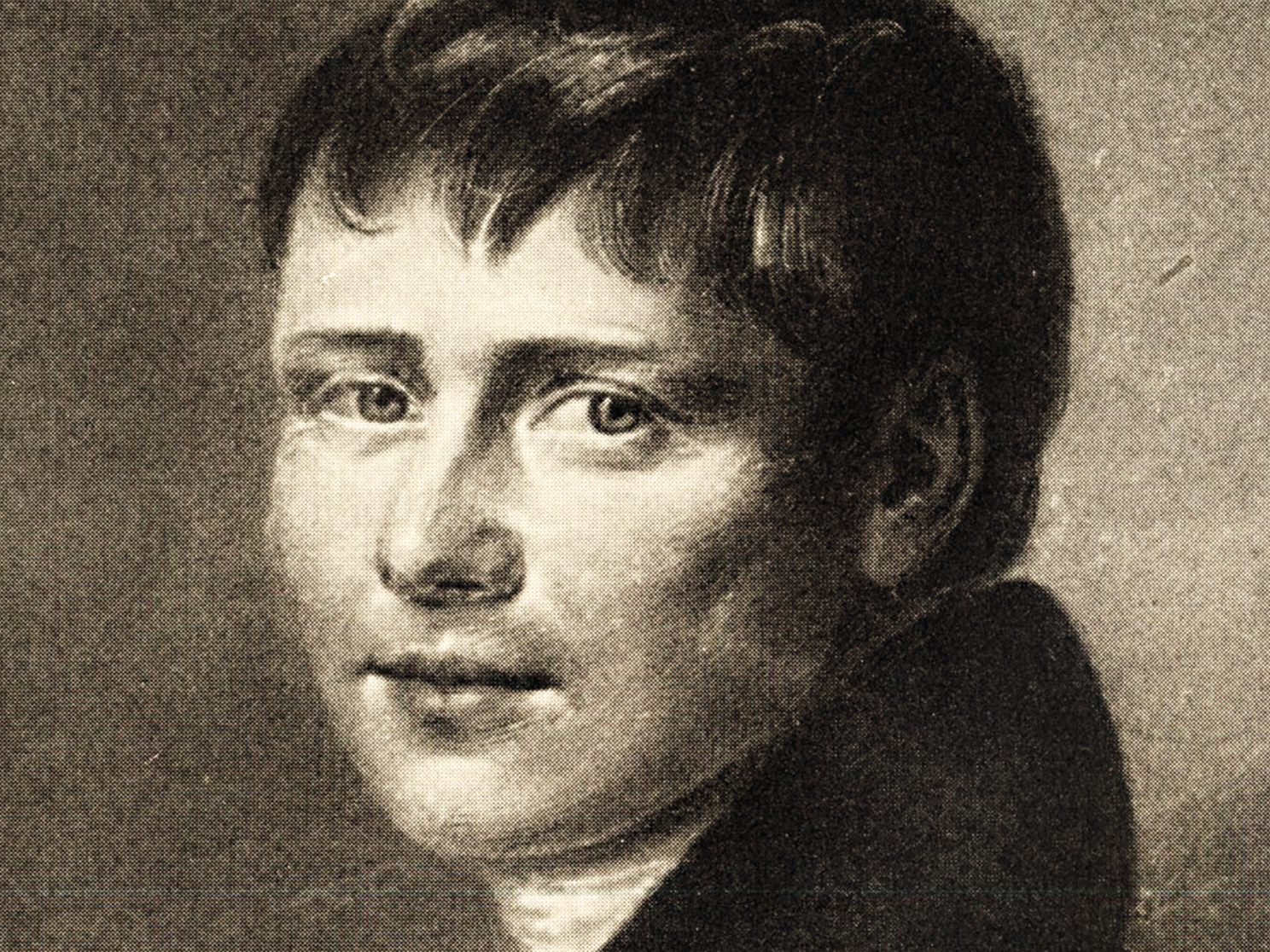
Heinrich von Kleist
Biography and work
Heinrich von Kleist (1777-1811) left posterity a work that is often inaccessible to easy access. Even the epoch assignment is not easy for him, who began publishing in the Weimar Classical period and committed suicide in the Romantic era. His work was far ahead of its time, it was outside of its time.
The film approaches Kleist’s work through the stages of his life and links it with the author’s biography. The changing reception of his work is the subject of a separate chapter.
- <> Languages : DE
- <> Target Groups : Sek I, Sek II
- <> Subject : German
- <> Length : 25:43 min
- View in learning platform
Licenses

Curriculum-centred and oriented towards educational standards
Matching

Air Traffic
Being able to fly has been a dream of humanity from time immemorial. But it does not even date back a century that people actually started being able to travel through the air. Since the 1960s, the number of flight passengers has been constantly increasing. Thus, the airspace is no longer dominated by birds but by man-made flying objects.

Youth Movement
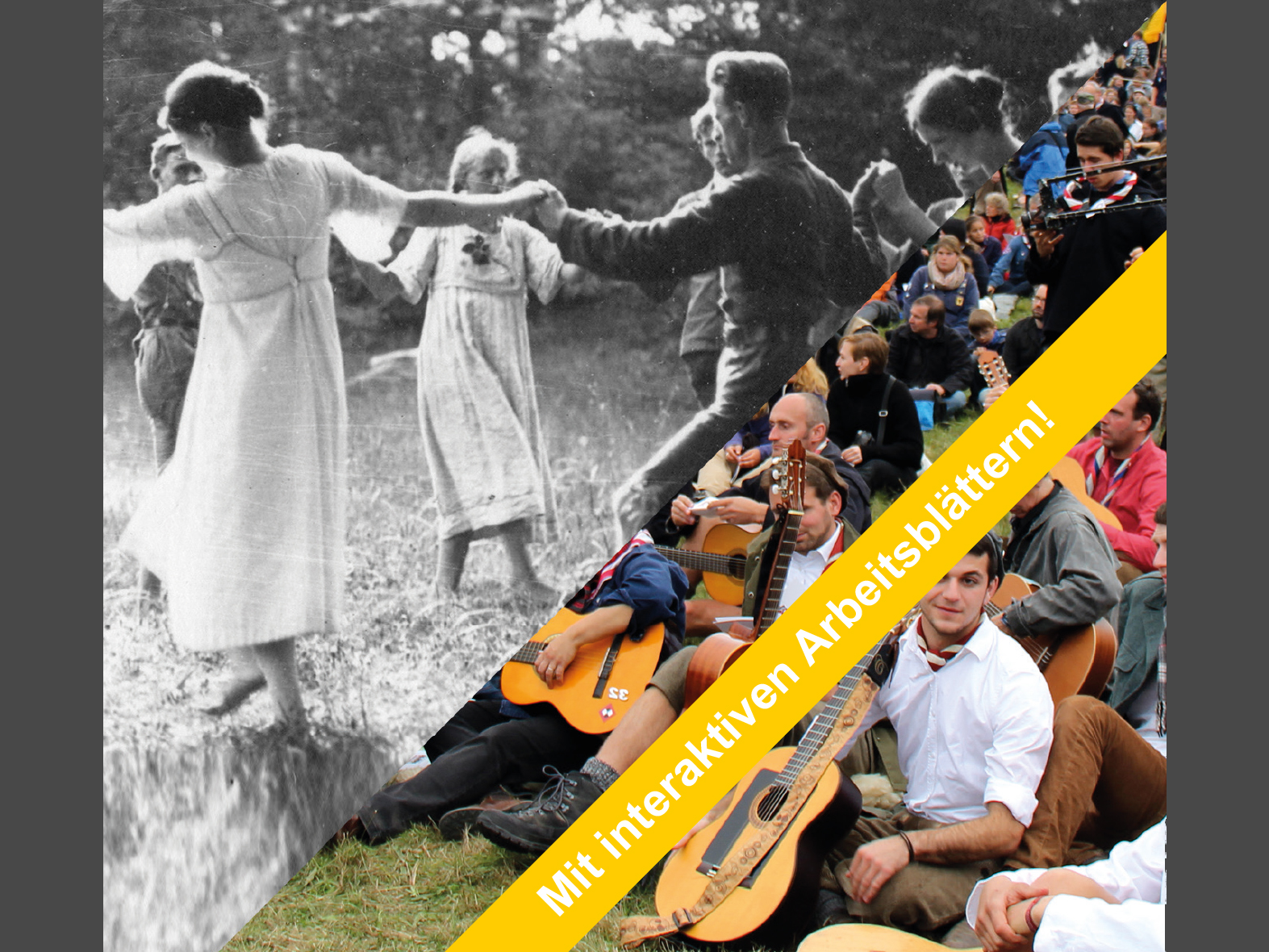
Dancing until your feet hurt: Here, at the meeting on the Hoher Meissner near Kassel, 3,500 participants from Boy Scout associations, youth and Wandervogel groups from all over the German-speaking region have gathered. They want to celebrate, simply get to know each other and commemorate a historic anniversary.
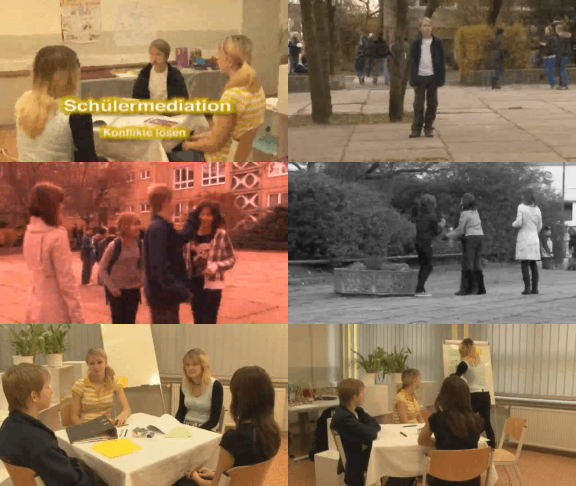
Peer Mediation
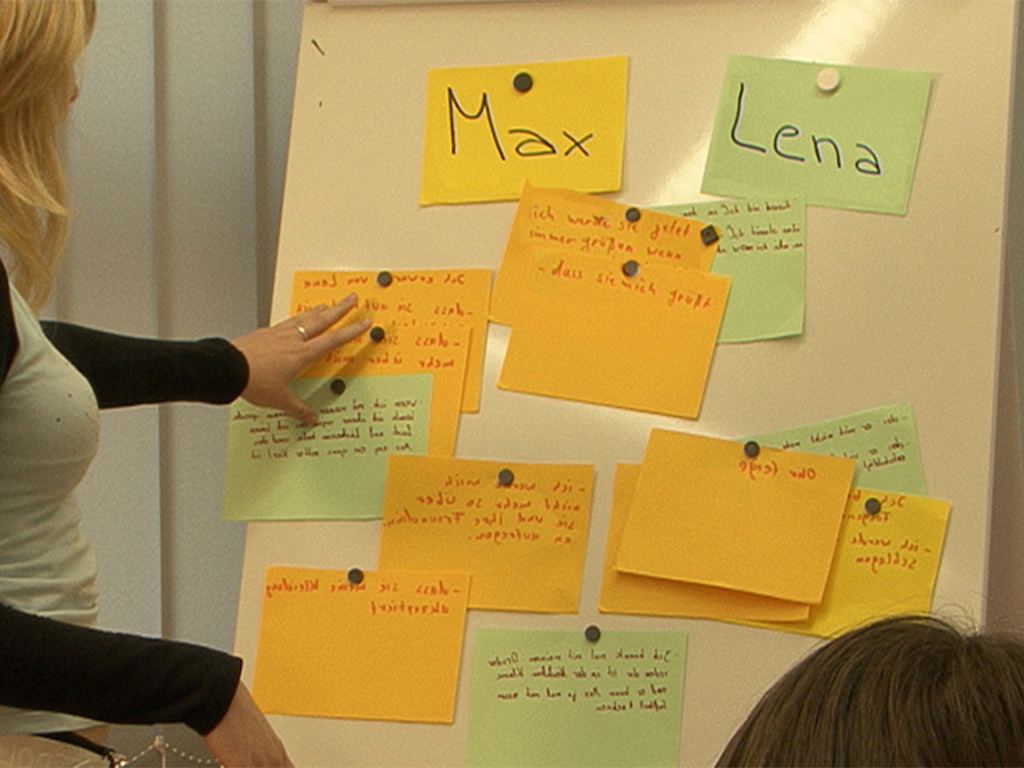
Lena and Max attend the 7th form. Max is new in class. During a break, Max notices that Lena and her friend are laughing at him again. Max loses his temper! He slaps Lena in the face. That hurts and Lena runs back into the classroom with a red cheek. The growing conflict between the two has escalated. Just like Lena and Max, every day pupils all over Germany have rows with each other. At the Heinrich Hertz Gymnasium in Thuringia, pupils have been trained as mediators for years. At set hours, they are in a room made available by the school specifically for mediation purposes. The film describes the growing conflict between Max and Lena and shows a mediation using their example. In doing so, the terms “conflict” and “peer mediation” are explained in a non-technical way. The aims of peer mediation and its progress in five steps as well as the mediators’ tasks are illustrated. The art of asking questions and “mirroring”, which the mediators must know, is described and explained. Together with the comprehensive accompanying material, the DVD is a suitable medium to introduce peer mediation at your school, too.