







 Biology, Primary School

46505344 / 55505958
Heimische Schmetterlinge
Artenvielfalt, Aussehen, Lebensraum
Schmetterlinge (Lepidoptera) zählen mit derzeit etwa 160.000 beschriebenen Arten zu den Insekten. Bis auf Antarktika gibt es sie überall auf der Welt.
Der Film zeigt anschaulich den Prozess der Metamorphose, die Merkmale der bunten Tag- und grauen Nachtfaltern, deren Eigenschaften und Lebensräume, drohende Gefahren und Schutzmaßnahmen.
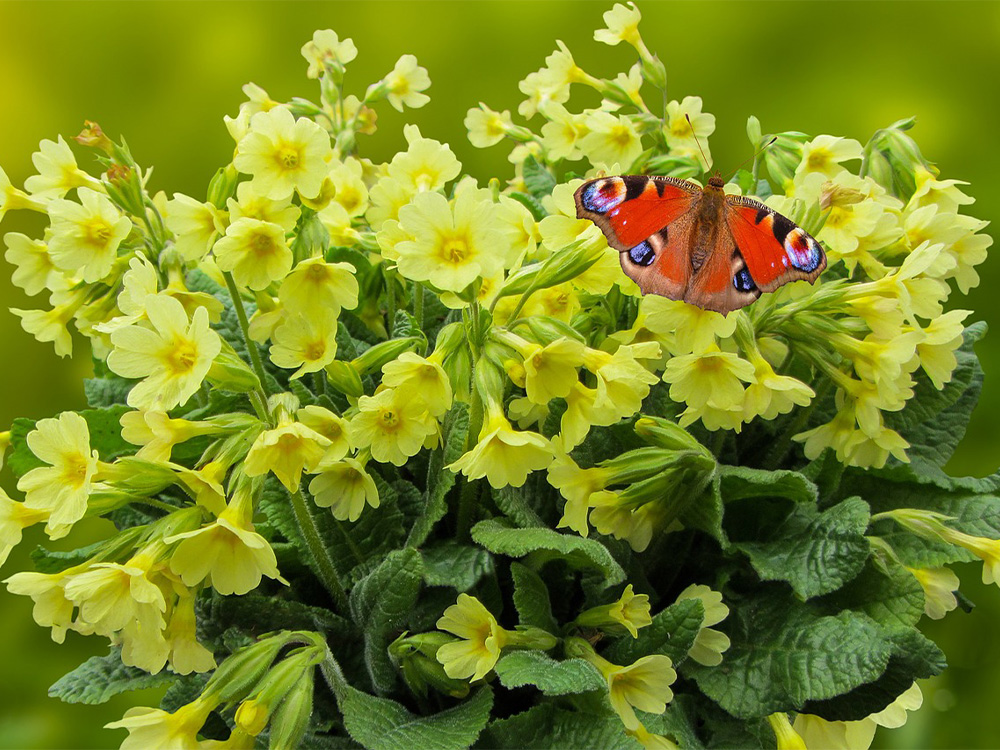
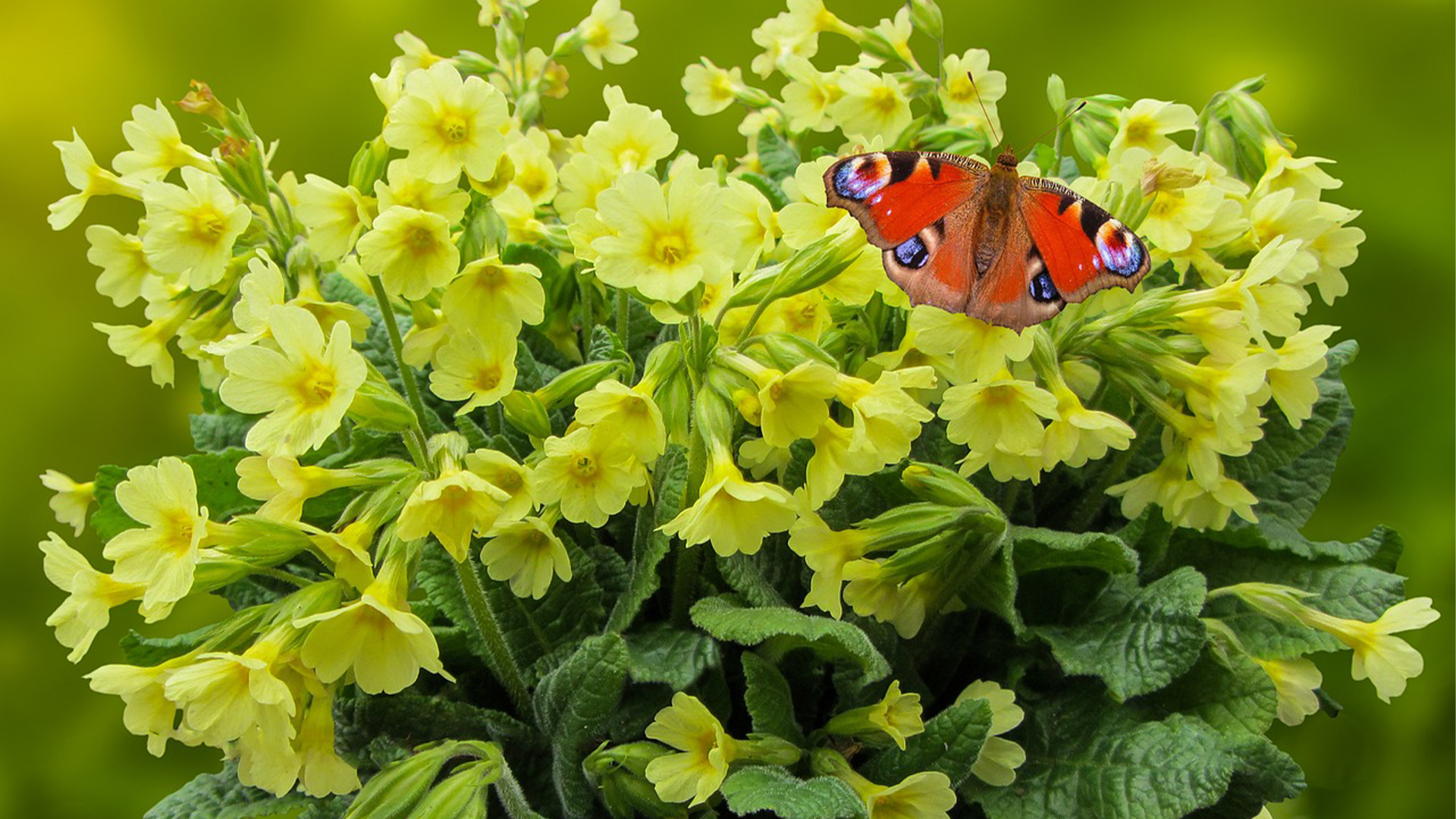
Im Mittelpunkt stehen heimische Schmetterlinge. Nahaufnahmen zeigen u.a. das Tagpfauenauge, den Zitronenfalter, das einem Kolibri gleichende Taubenschwänzchen oder auch die Gammaeule. Ob bunt, ob grau – Schmetterlinge sind Bioindikatoren, die sehr sensibel bezüglich der Einflüsse auf unsere Umwelt reagieren und zeigen, wie es um sie bestellt ist.
Interaktive Aufgaben, Testfragen und Glossar wurden mit H5P erstellt und können ohne weitere Software verwendet werden.
Für den Unterricht empfohlen!
Play trailer
- <> Languages : DE
- <> Target Groups : GRU, Sek I
- <> Subject : Biology, Primary School
- <> Length : 26:20 min
- View in learning platform
Licenses
Curriculum-centred and oriented towards educational standards
Matching
Admiral
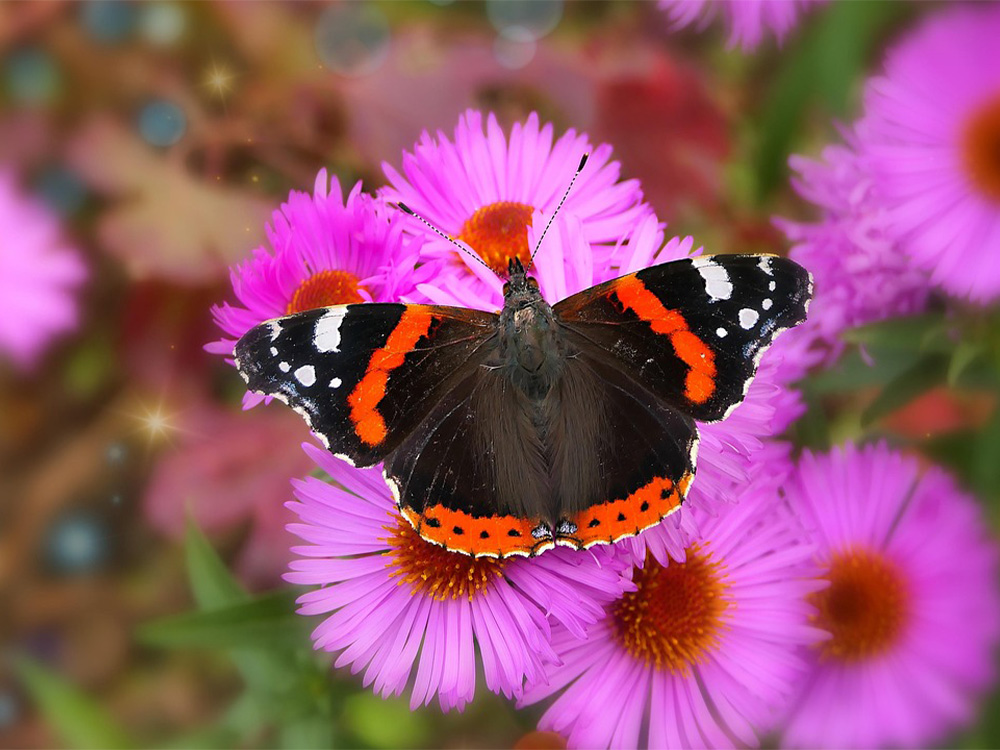
Der Admiral zählt zu den heimischen Tagfaltern. Kennzeichnend ist das schwarz-rote Muster auf seinen dunklen Flügeln mit weißen Flecken am Rand. Für den Unterricht empfohlen!
Inclusion
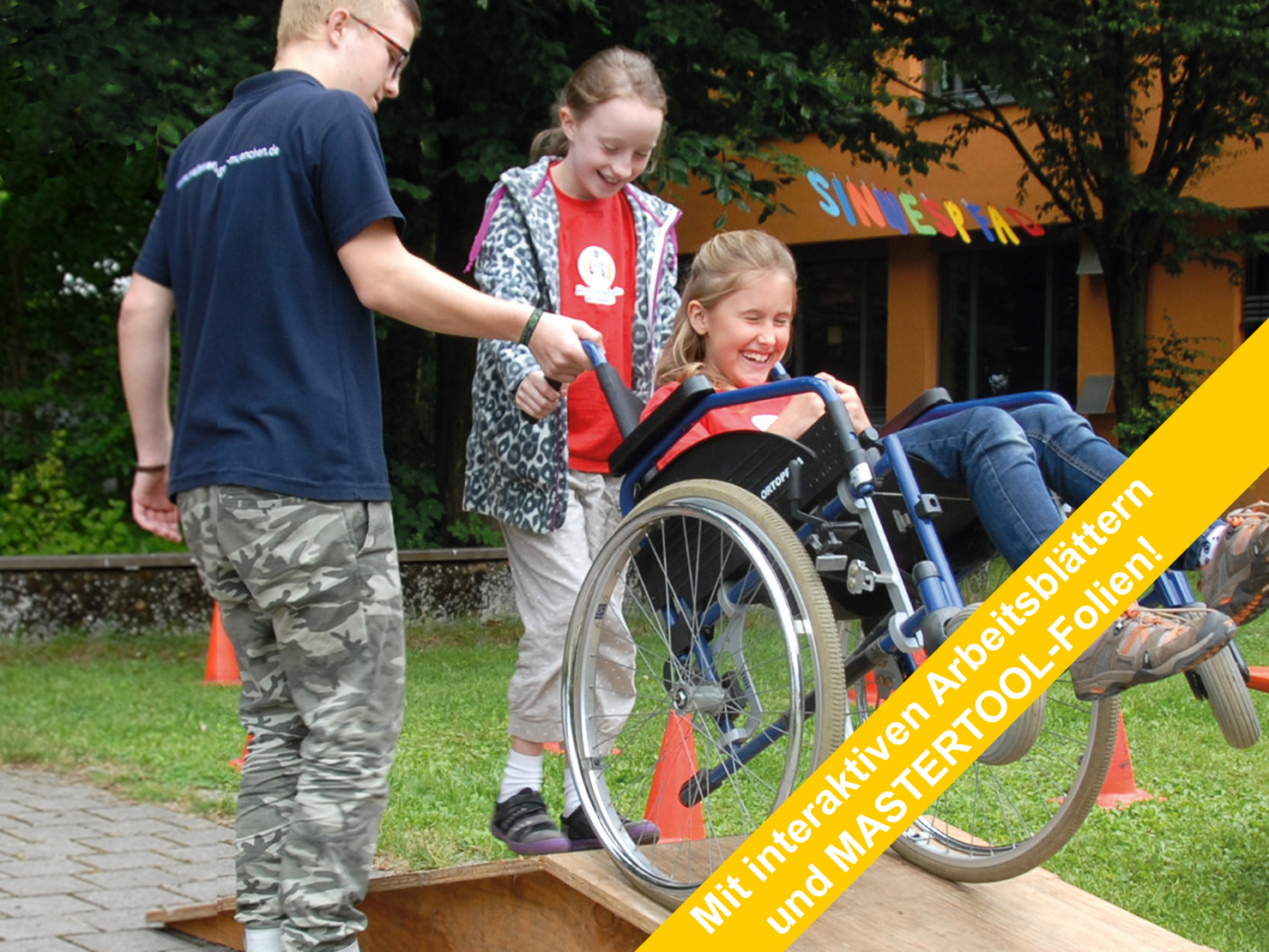
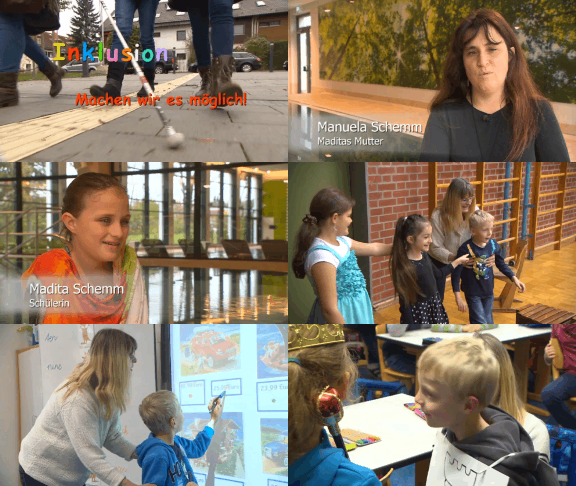
Madita is eleven and blind. She does not want to go to a special school but to a regular grammar school. She says she feels "normal" there. Jonathan is eight and has a walking disability. He likes going to the school where he lives. Here, his best friend sits next to him. Max Dimpflmeier, a teacher who is severely deaf, explains that school life is not easy. Quote Max Dimpflmeier: "You don't want to attract attention, you want to avoid saying that it is necessary for you that 70 people adjust to your situation." People on their way to inclusion.
Tolerance
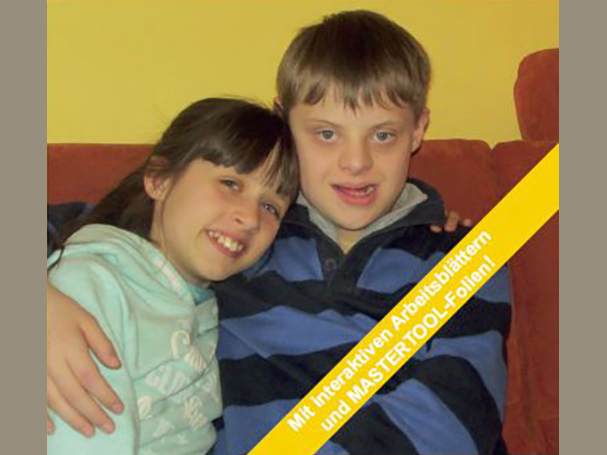
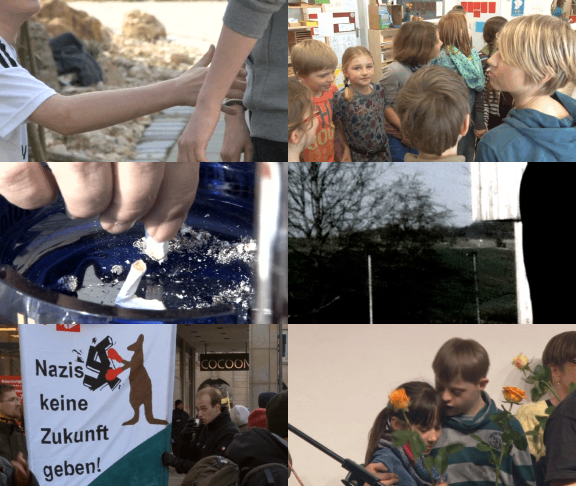
“Tolerance means being generous and kind to other people and helping them, too.”