







 History
4669630 / 5560307
Dictatorships in the 20th Century VI
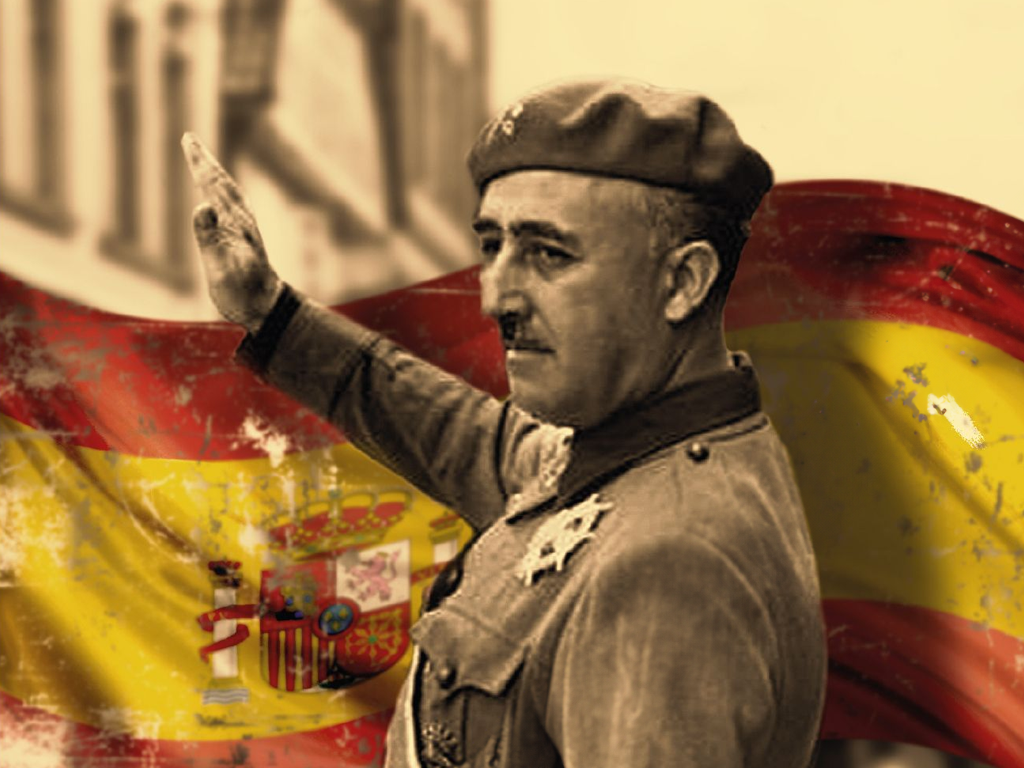
Francisco Franco
Francisco Paulino Hermenegildo Teódulo Franco y Bahamonde Salgado Pardo is born in El Ferrol (Galicia) on 4th December 1892.
His father, the naval officer Nicolás Franco, is authoritarian and domineering, a bully and womaniser, who despises his delicate and taciturn son. His mother, Maria del Pilar, tries to hide her sorrow behind a religious bourgeois façade. Throughout his life, Franco will remain close to her.
In 1907, 15-year-old Francisco Franco is admitted to the Military Academy of Toledo. In the three years at the Academy he proves to be an exemplary, hard-working and disciplined cadet. In 1910 he leaves the Academy with the rank of Second Lieutenant. For career reasons – he hopes for quick promotion – he expressly requests to be sent to Africa, where a bloody colonial war is raging. The Spaniards’ fight in Spanish Morocco is waged against the Rif tribesmen: rebellious Berber tribes in the Atlas Mountains.
Curriculum-centred and oriented towards educational standards
Matching

Racism
Do you perhaps know that?
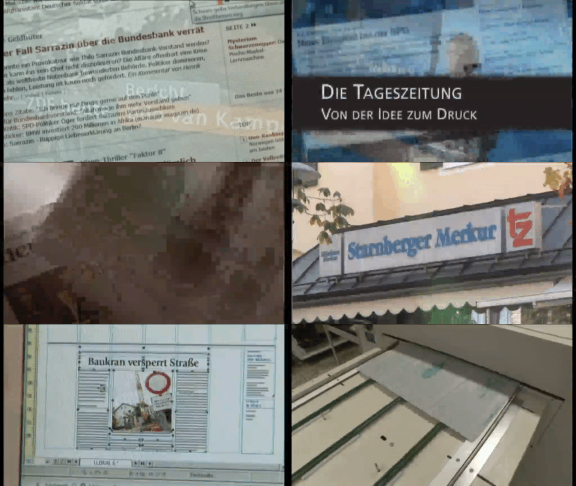
The Daily Newspaper
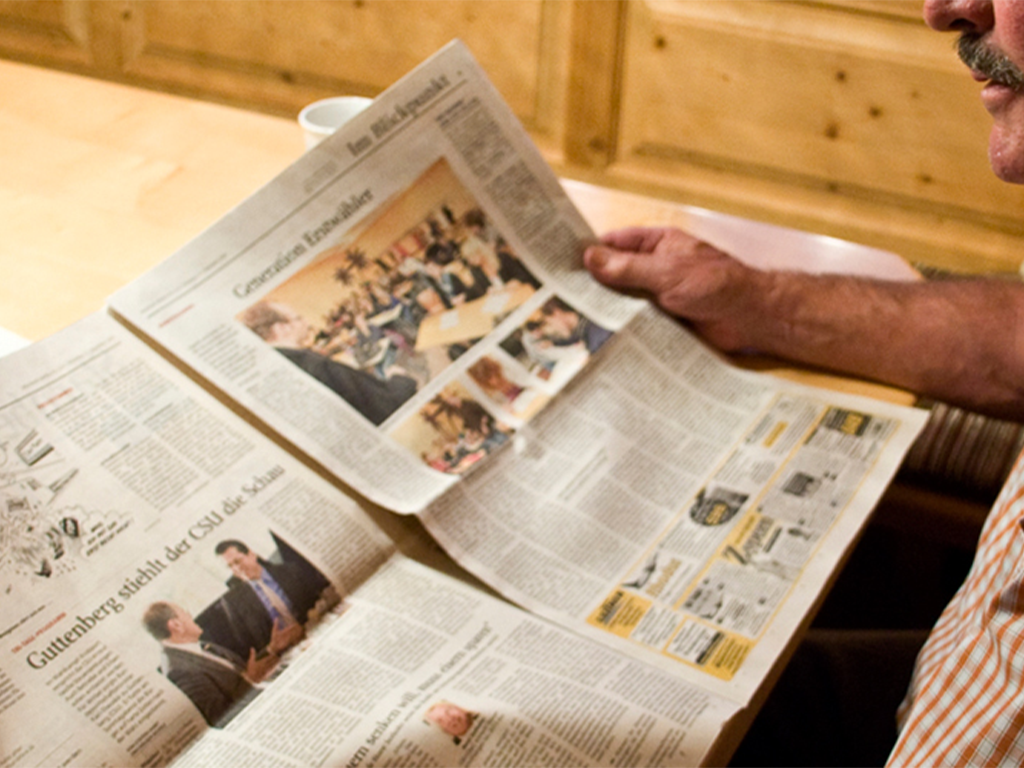
Every day, there is a surge of news reaching us via different news channels. In spite of TV and Internet, the daily paper still is one of the most important main sources of news. But how is a newspaper created? The film shows the production of a paper in the course of one day. Starting with the editorial meeting in the morning, in which the topics and deadlines are determined, the film accompanies a journalist during her research work. You can see how a journalistic interview is conducted and what the photographer must consider when taking a press photo. Back in the editorial office, the editor’s work is illustrated, which includes the page layout and the writing of an online article in today’s time. Impressive pictures from the printing centre depict the process from the digital page to the finished newspaper. Together with the comprehensive accompanying material, the DVD is perfectly suited for use at school


Blogging
The weblog or blog, for short, as a medium is not much older than this century. Blogs came into being in the World Wide Web as ’messages from below’, as web pages from web creators who wanted to share their view of the world with the world. They are short notes, long texts, pictures, videos, which are posted loosely and at random intervals to the world for an undefined public.