







 Geography
4656517 / 5551281
Capitals of Central Europe I
Berlin, Bern, Vaduz, Vienna
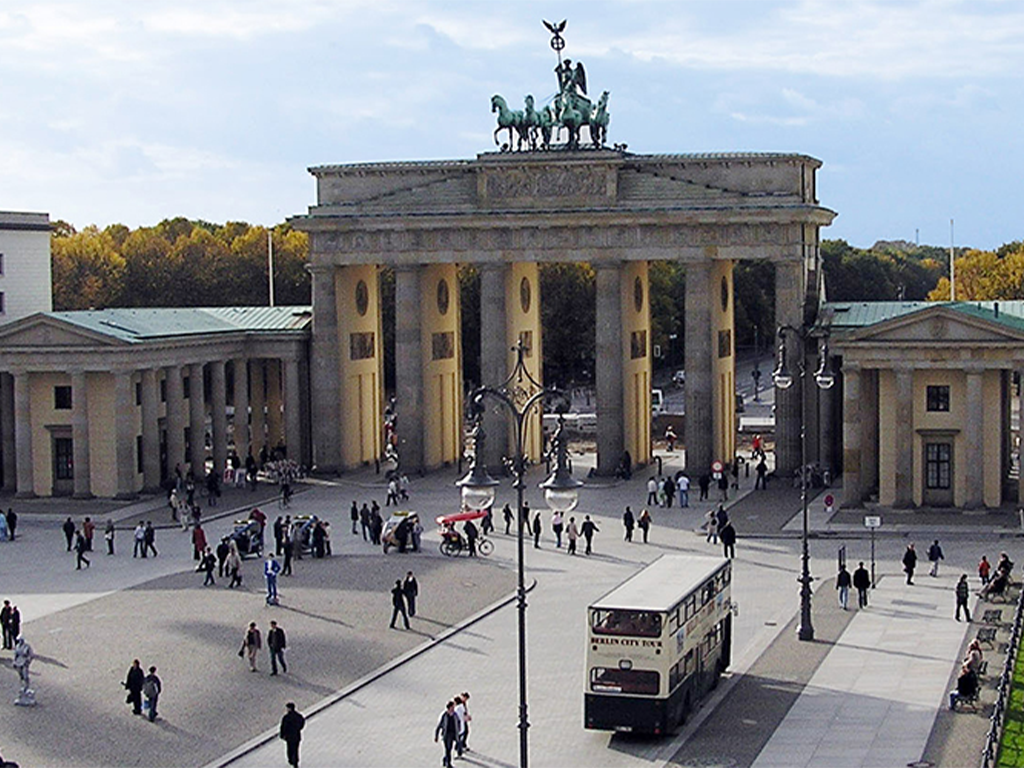
This DVD presents the German-speaking capitals of Central Europe, Berlin, Bern, Vaduz and Vienna. By way of introduction, the pupils learn about the natural and climatic boundaries of the Central European region and which countries it encompasses. Based on this, the film first focuses on the topographic situation of the respective capital of the countries of Germany, Switzerland, Austria and Liechtenstein, and the history of the cities’ foundation is briefly outlined. To illustrate their function as capitals, the government buildings in Berlin, Bern, Vaduz and Vienna are described but the DVD also goes into the respective infrastructural and economic particularities. Impressive pictures and the accompanying material give a lasting account of the growth of the metropolis of Vienna thanks to its favourable geographic situation at the Danube trade route and the Habsburg dynasty. The traces of Berlin’s division into West Berlin and East Berlin are documented, Bern is shown in its special role as federal capital of Switzerland and capital of the canton of Bern, and Vaduz is introduced as small capital of international repute as a financial centre.
Play trailer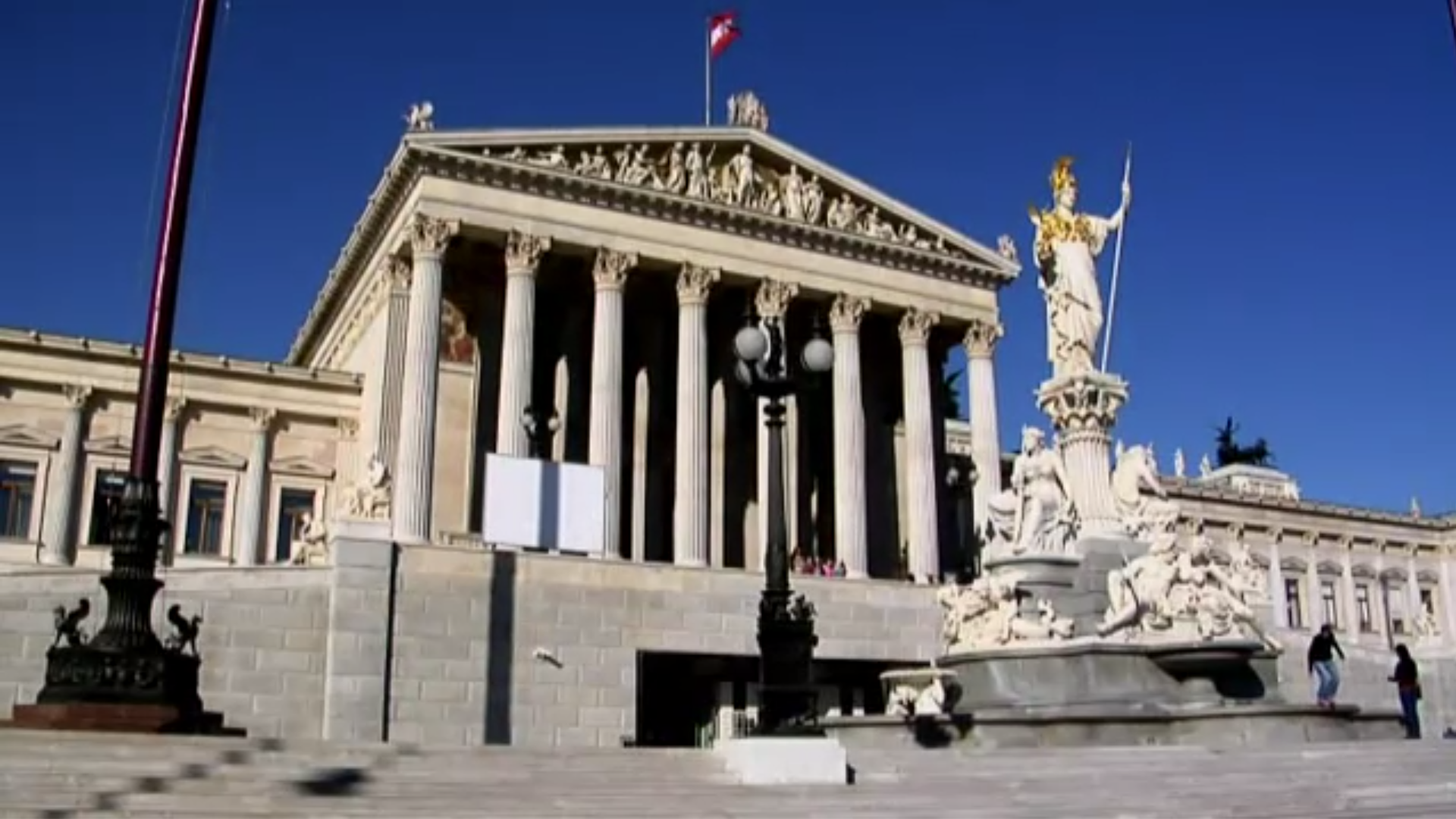
Curriculum-centred and oriented towards educational standards
Matching

Internet Addiction
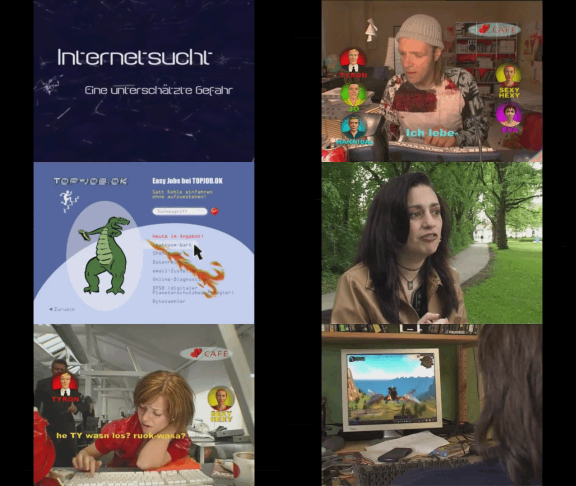
The film consists of two parts. The first part is the 15-minute short film “In the Net”. It describes the problem of excessive Internet use in a humorous way, in particular the risk of losing touch with reality when chatting. The second part illustrates with three real persons how Internet addiction can develop and the problems encountered by those who are afflicted. The authentic statements are commented by an experienced therapist. For many pupils, the issues addressed here are related to their everyday lives. What is a “sensible” use of the Internet, where does pathological addiction start? In contrast to addiction to alcohol, nicotine or drugs, the public seems to be largely ignorant of the problem of this addiction, which is not related to any substance abuse. The film provides material for discussion in the classroom (crossdisciplinary) and can be used as a basis for the formulation of prevention strategies.
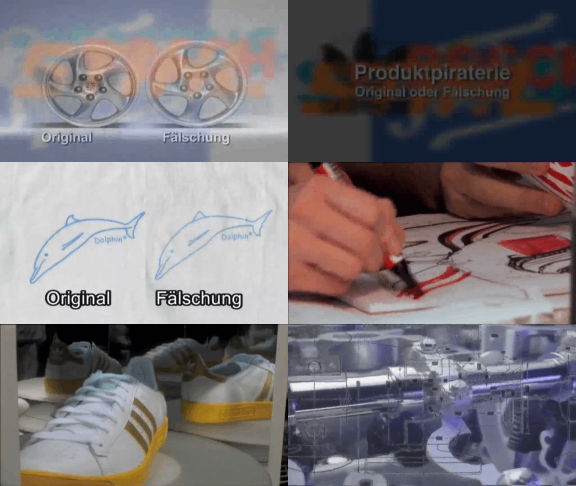
Product Piracy
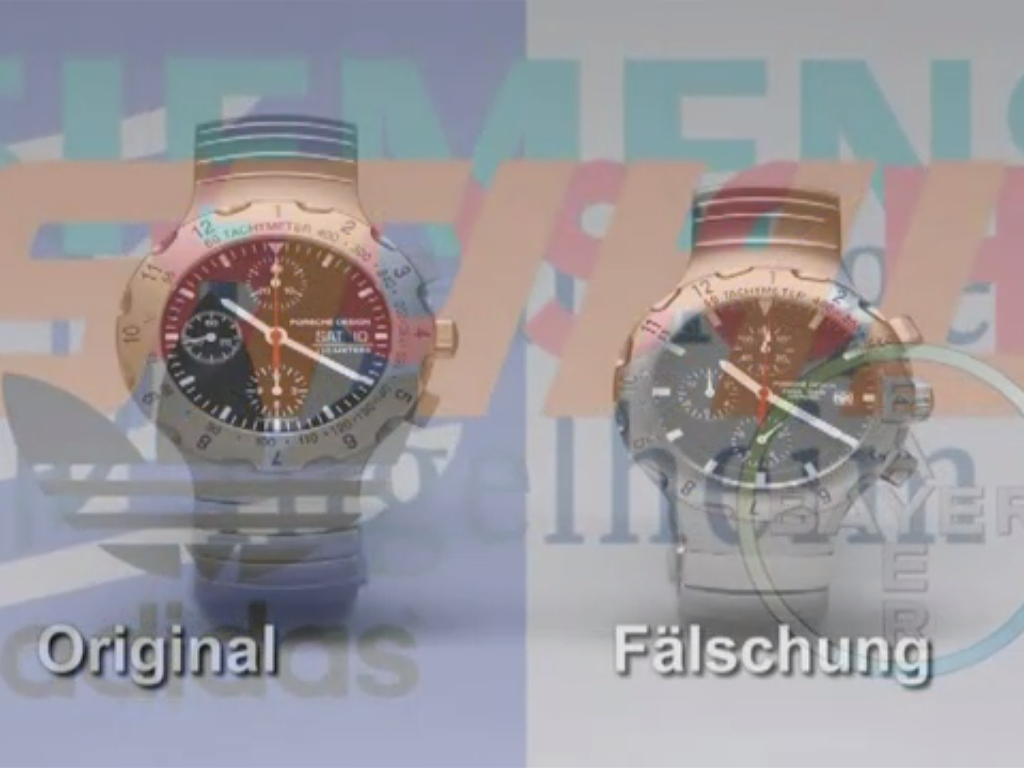
Counterfeiting takes place in almost all economic sectors – textiles, watches, car parts, machine parts, tools, accessories, software and medicines. Some counterfeits are easy to recognise, others are so well-executed that even experts have difficulty distinguishing between original and imitation. This DVD covers the development of a product from idea to manufacture. Once a product has become a trademark, product pirates appear on the scene.
Inclusion
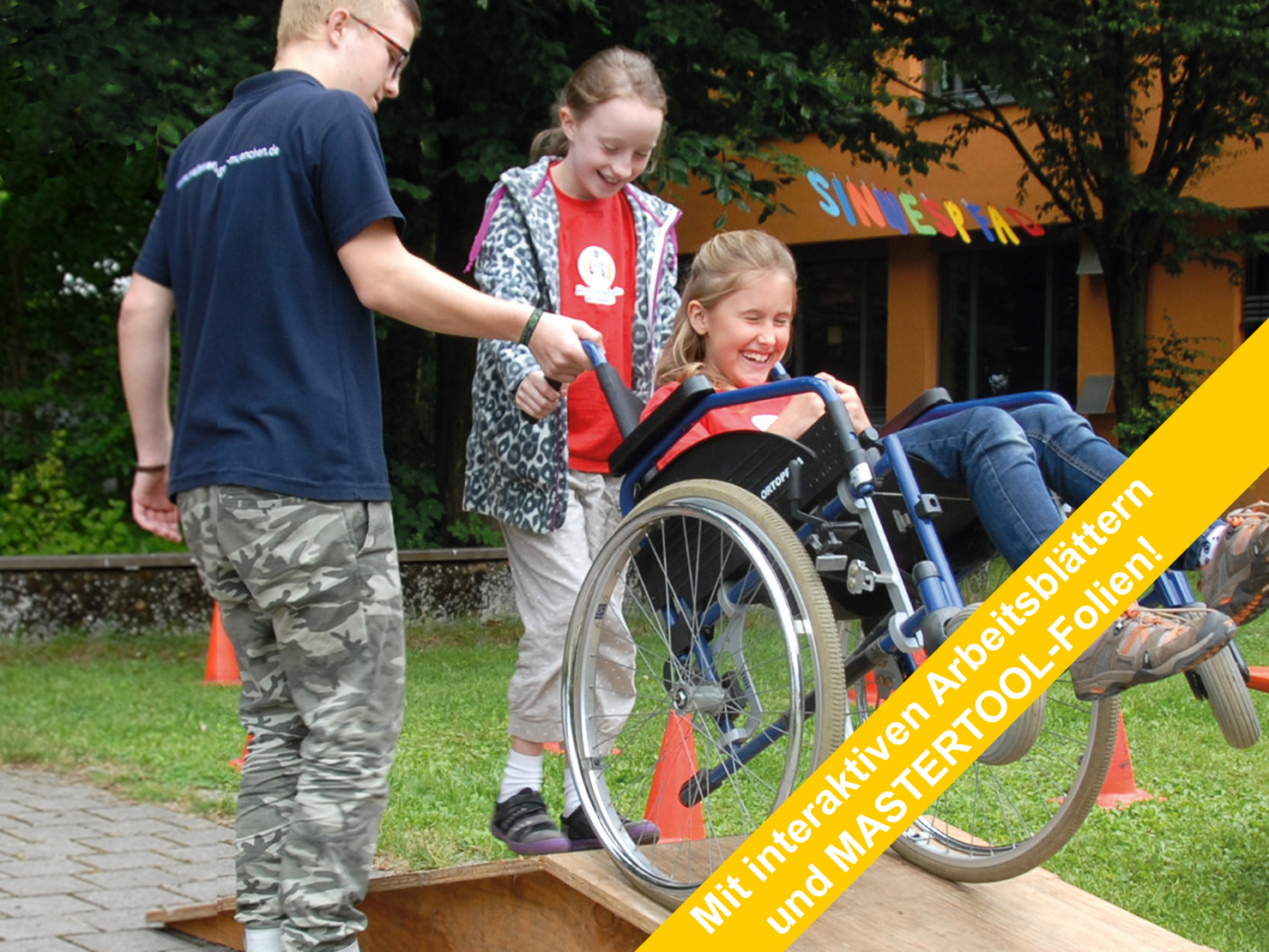
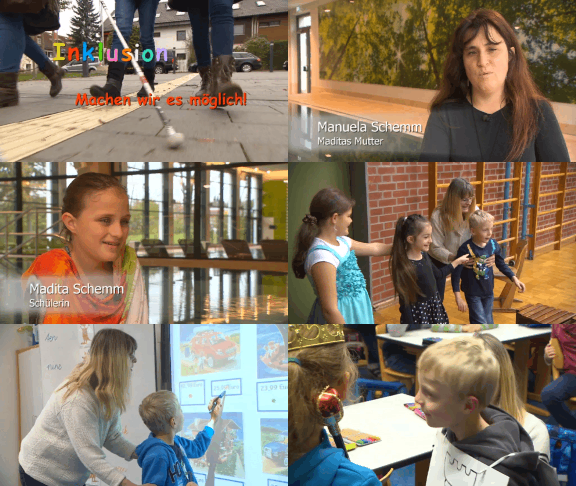
Madita is eleven and blind. She does not want to go to a special school but to a regular grammar school. She says she feels "normal" there. Jonathan is eight and has a walking disability. He likes going to the school where he lives. Here, his best friend sits next to him. Max Dimpflmeier, a teacher who is severely deaf, explains that school life is not easy. Quote Max Dimpflmeier: "You don't want to attract attention, you want to avoid saying that it is necessary for you that 70 people adjust to your situation." People on their way to inclusion.