







 Preschool

4669656 / 5560326
Ants
Small Amazing Creatures
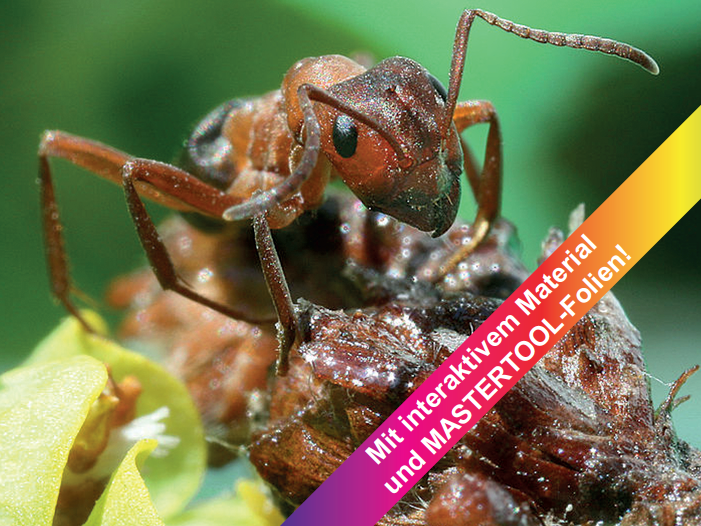
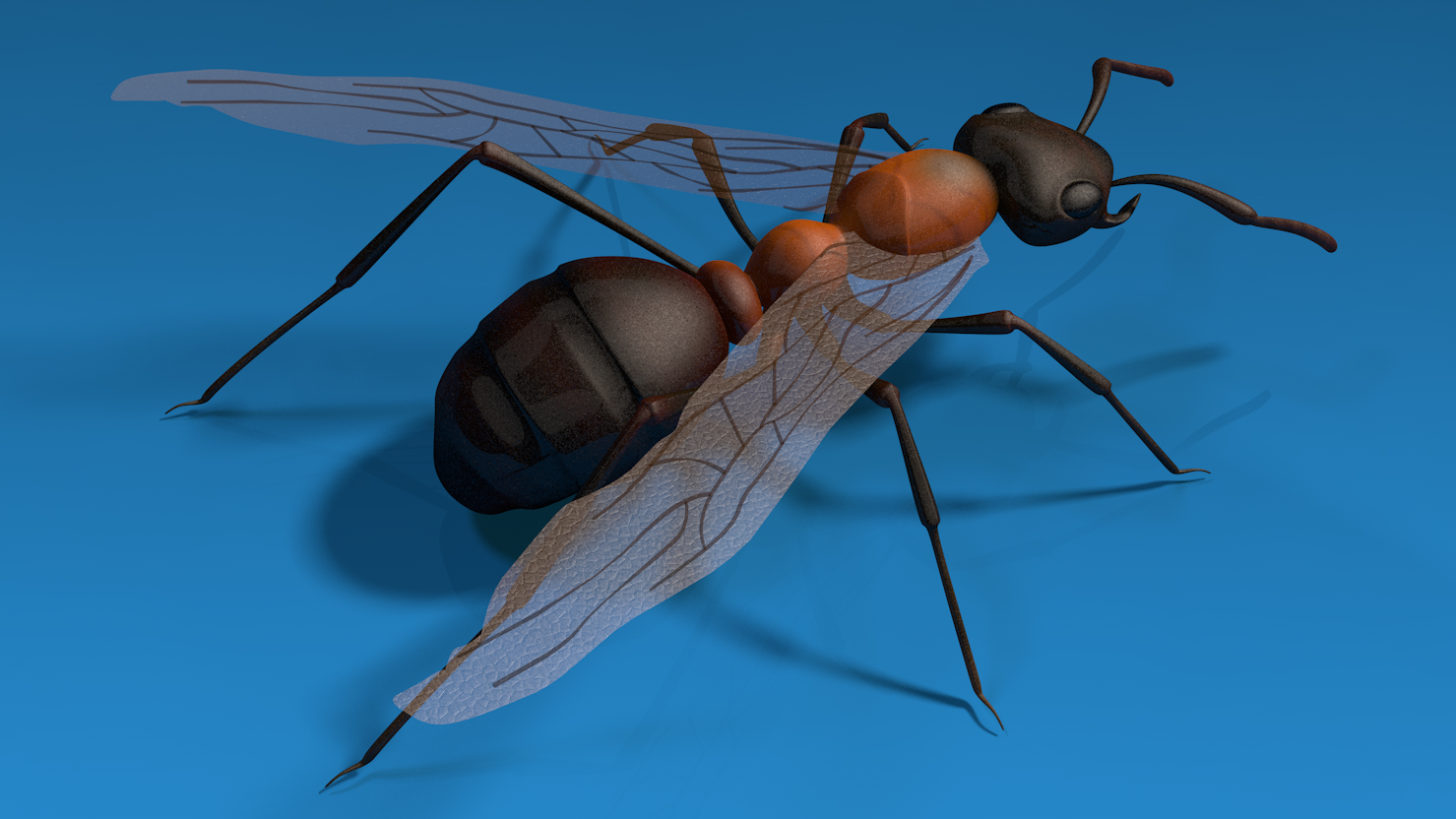
Ameisen sind Insekten und gehören zu den Gliederfüßern. Das bedeutet, der Körper dieser Tiergruppe ist stets in drei deutlich erkennbare Abschnitte gegliedert: Kopf, Brust und Hinterleib. Man schätzt, dass es über 15.000 verschiedene Arten Ameisen auf der Welt gibt. Man findet sie überall: von den heißen Tropen bis zum kalten Polarkreis, von hohen Gipfeln bis den Wüsten – es ist das erfolgreichste Insekt der Erde. Die Ameisen haben viele unterschiedliche Wohnorte, aber am bekanntesten ist bei uns der Ameisenhaufen. Er ist etwa einen Meter hoch und mindestens genauso tief. Im Ameisenhaufen leben alle Ameisen, die Königin, ihre Arbeiterinnen, die männlichen Ameisen und alle Larven. Ameisen verständigen sich mit einer Antennensprache, legen Duftwege und können sich die Richtung der Sonne merken. Die Waldameisen fressen gerne Raupen, kleine Spinnen, Insekten und Fliegen. Ihre Hauptfeine sind der Specht und der Schmetterling. Wenn sich die Ameisen bedroht fühlen, verspritzen sie Ameisensäure.
Play trailer
- <> Languages: DE, EN, TR
- <> Target Groups: ELE, FÖ, GS
- <> Subject: Preschool
- <> Length: 19:42 min
- View in learning platform
Licenses
Curriculum-centred and oriented towards educational standards
Matching

Resuscitation
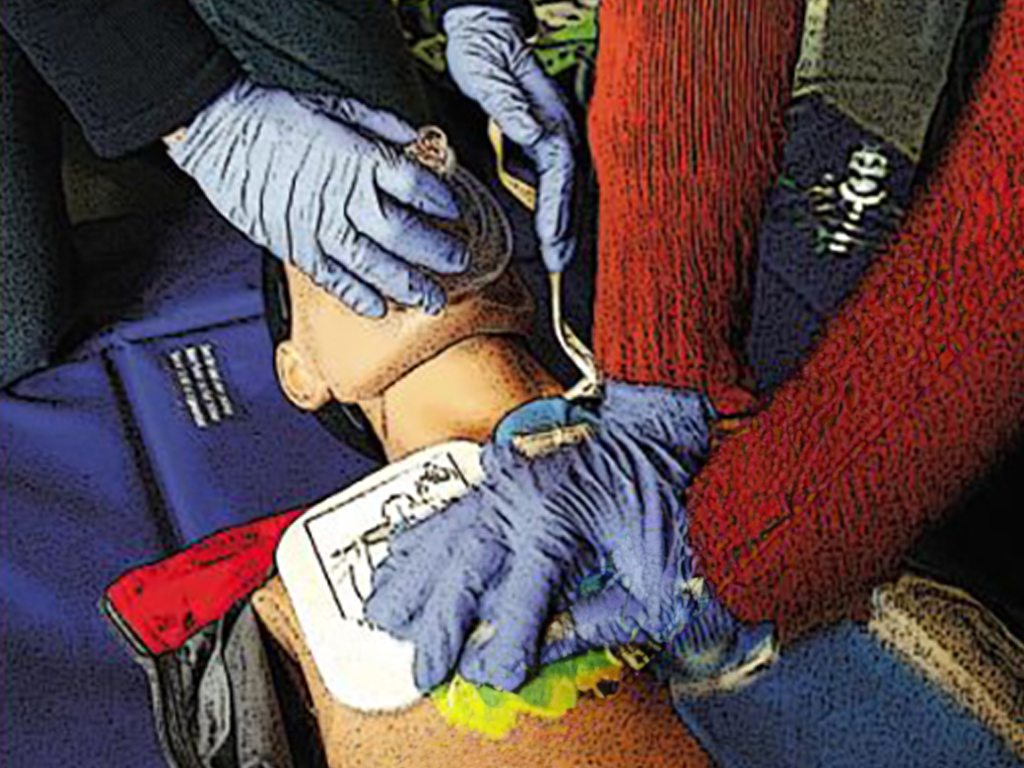
It can happen to anyone – of any age, in any place, at any time. Sudden cardiac arrest may quickly prove fatal. Immediate action is called for! Just remember: Check Call Press Anyone can do it. You can't do anything wrong!
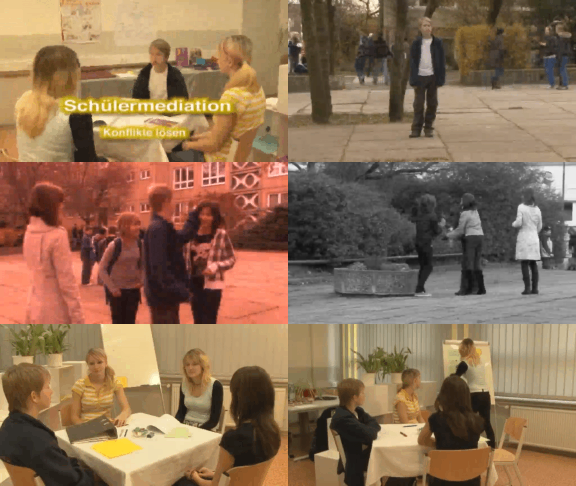
Peer Mediation
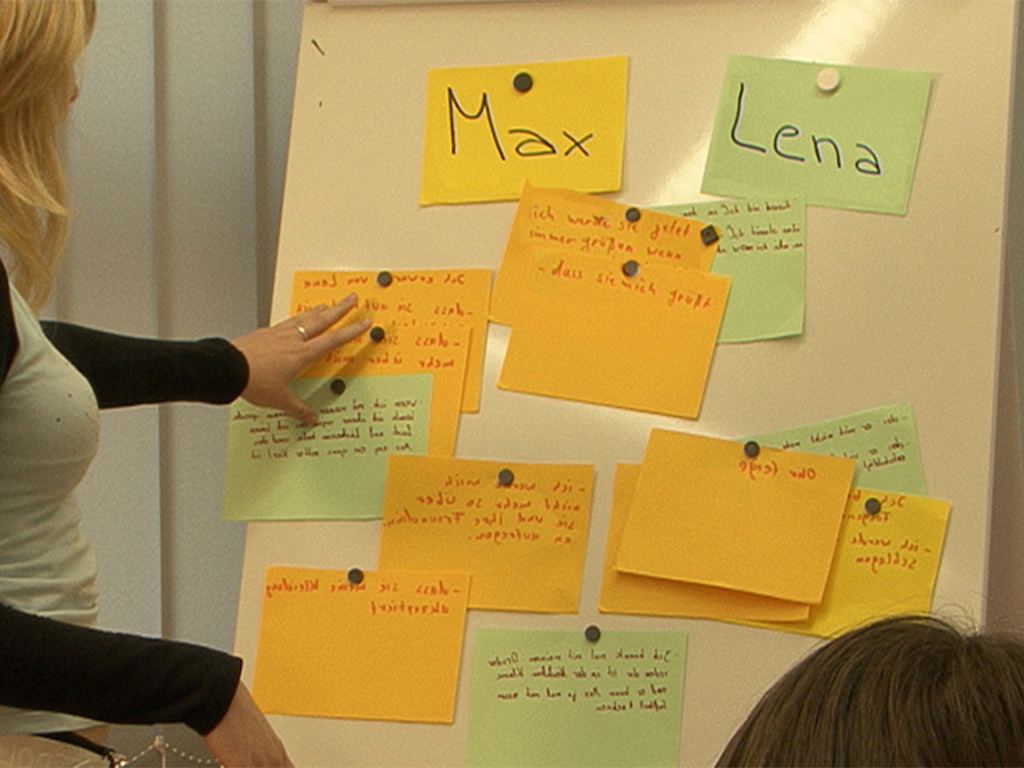
Lena and Max attend the 7th form. Max is new in class. During a break, Max notices that Lena and her friend are laughing at him again. Max loses his temper! He slaps Lena in the face. That hurts and Lena runs back into the classroom with a red cheek. The growing conflict between the two has escalated. Just like Lena and Max, every day pupils all over Germany have rows with each other. At the Heinrich Hertz Gymnasium in Thuringia, pupils have been trained as mediators for years. At set hours, they are in a room made available by the school specifically for mediation purposes. The film describes the growing conflict between Max and Lena and shows a mediation using their example. In doing so, the terms “conflict” and “peer mediation” are explained in a non-technical way. The aims of peer mediation and its progress in five steps as well as the mediators’ tasks are illustrated. The art of asking questions and “mirroring”, which the mediators must know, is described and explained. Together with the comprehensive accompanying material, the DVD is a suitable medium to introduce peer mediation at your school, too.

Big Data
Original soundtrack young woman: