






 Biology, Primary School
46505908 / 55508788
Rothirsch
Aussehen, Lebensweise, Angepasstheit
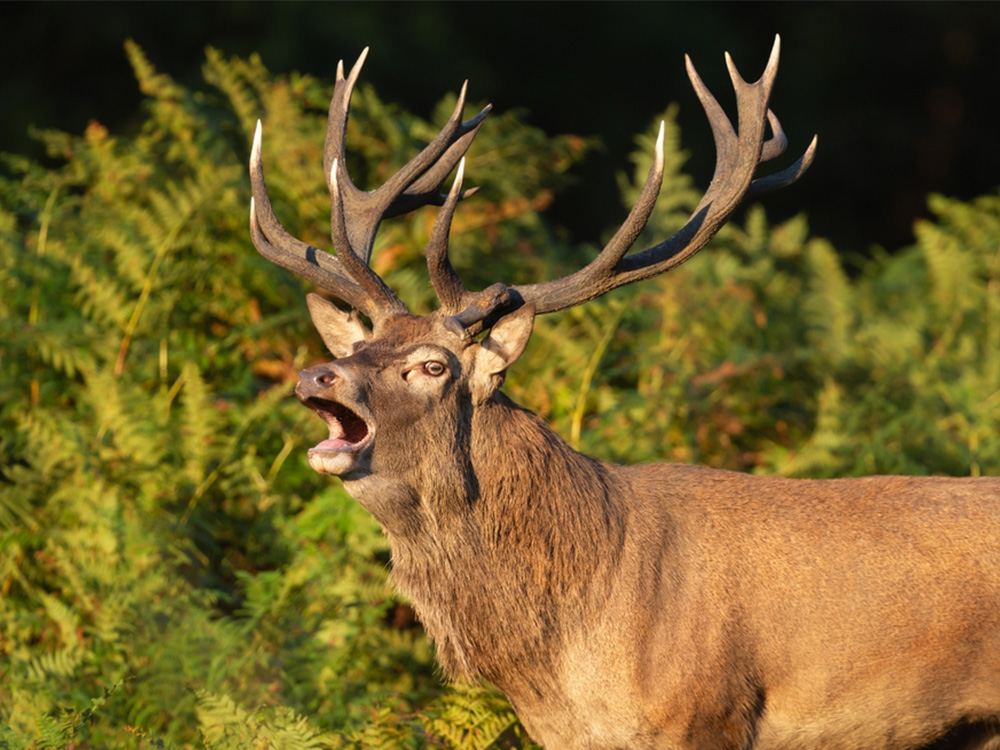
Der Rothirsch (Cervus elaphus) ist die größte heimische Hirschart Europas und wurde 2026 zum Wildtier des Jahres gewählt.
Der Film stellt den König der Wälder, wie er auch genannt wird, vor und erklärt seine Merkmale, seinen Lebensraum sowie seine Anpassung an das Leben im Wald. Er zeigt, wie Geweih, Verhalten und Ernährung zusammenhängen, und gibt Einblicke in Fortpflanzung, Kommunikation und die Rolle des Rothirschs im Ökosystem – dies auch im Vergleich zu seinen Artverwandten. Die Schülerinnen und Schüler werden zudem für die Gefährdungen des Rothirsches sensibilisiert.
Play trailer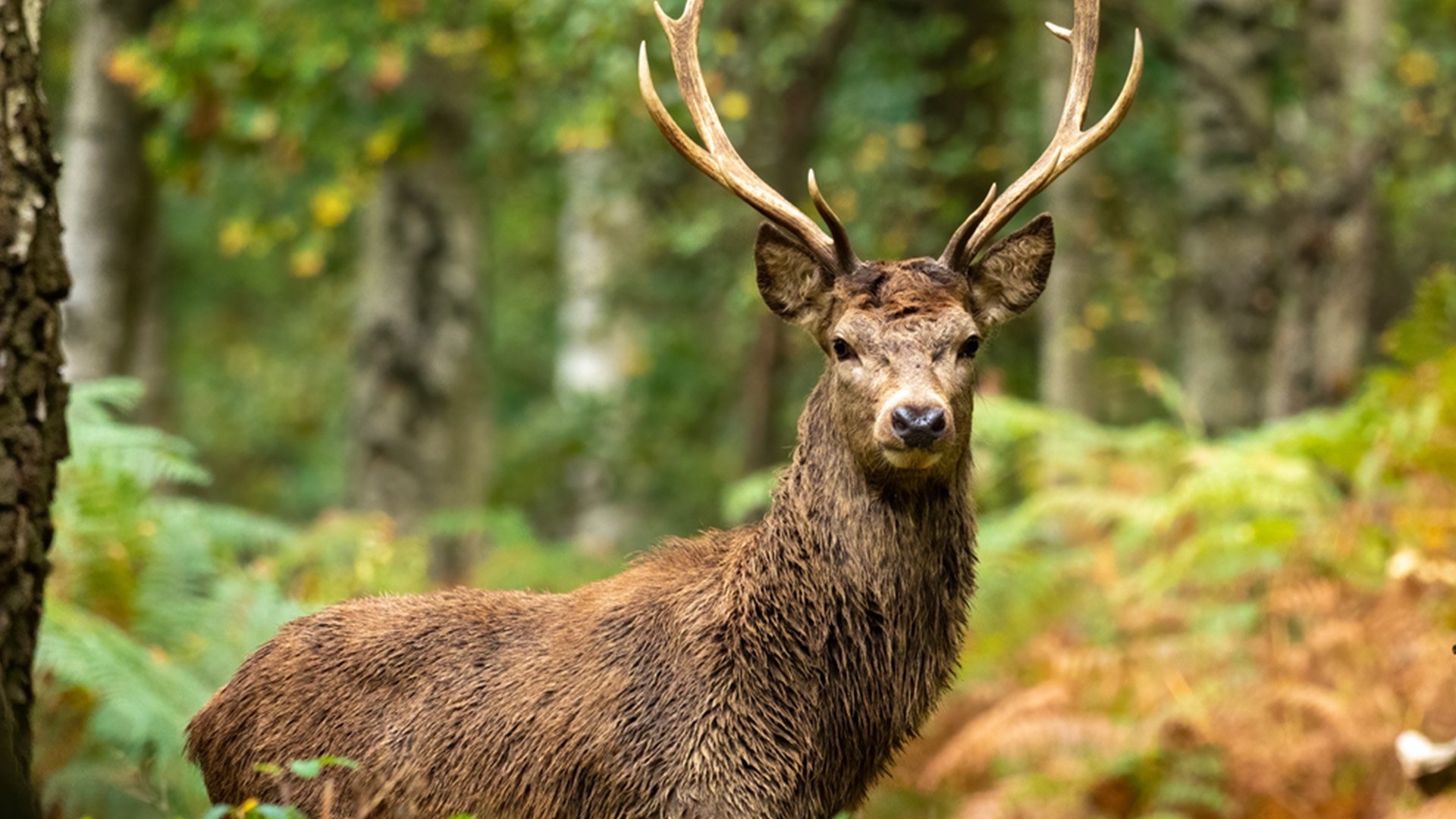
Curriculum-centred and oriented towards educational standards
Matching
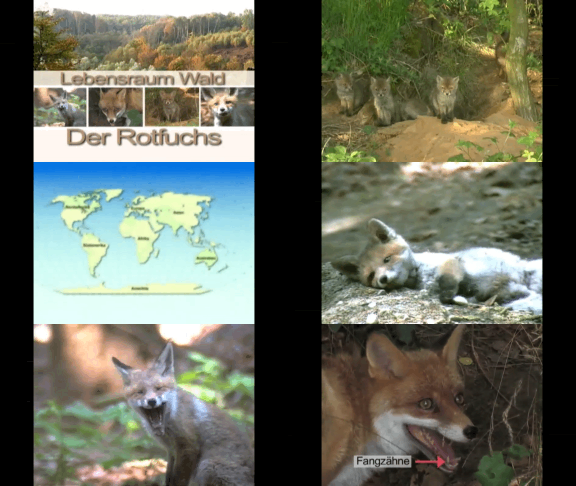
The Forest as a Biotope
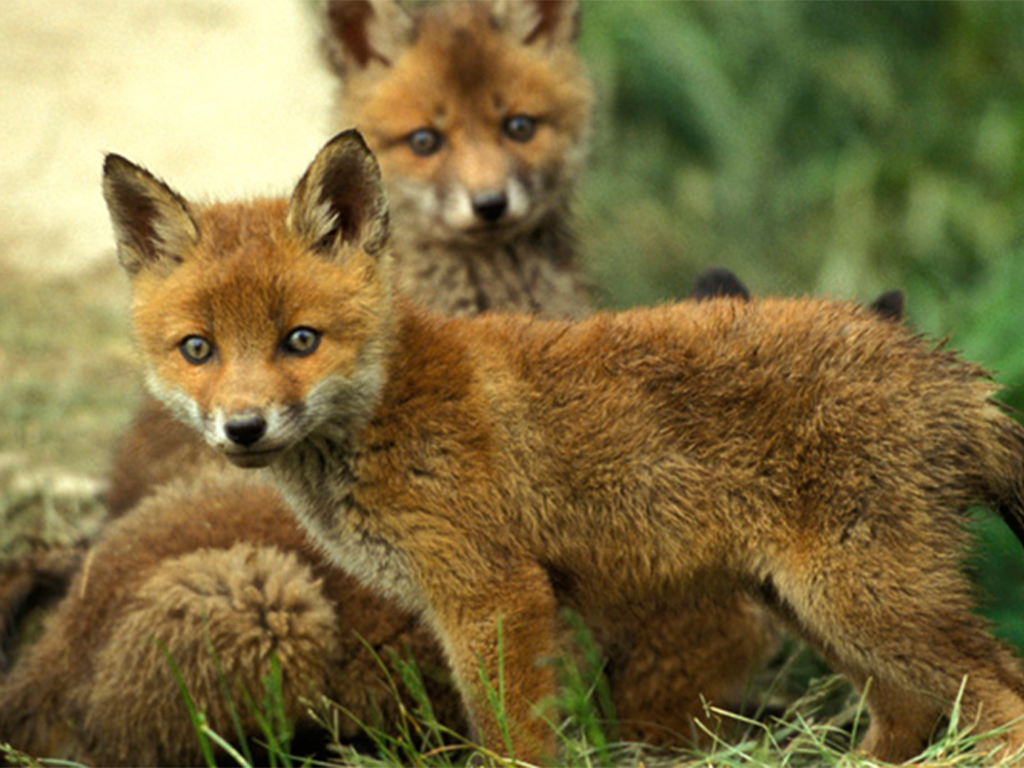
The forest with its flora and fauna as a part of the natural environment our children grow up in is an important topic in general education at primary schools. Above all, the pupils find forest animals fascinating and interesting. However, it is generally difficult to actually meet the larger forest dwellers since they are usually shy and nocturnal. This DVD aims at making the children familiar with one of these forest animals – the red fox. The film informs on its look and appearance, introduces its habitat to the pupils, points out relations with other animals, explains the reproduction of the fox and covers its food as well as its enemies and com- mon diseases. The DVD is excellently suited either as an introduction to the topic of “forest animals” or as a tool offered to the children (for individual tasks or project work).
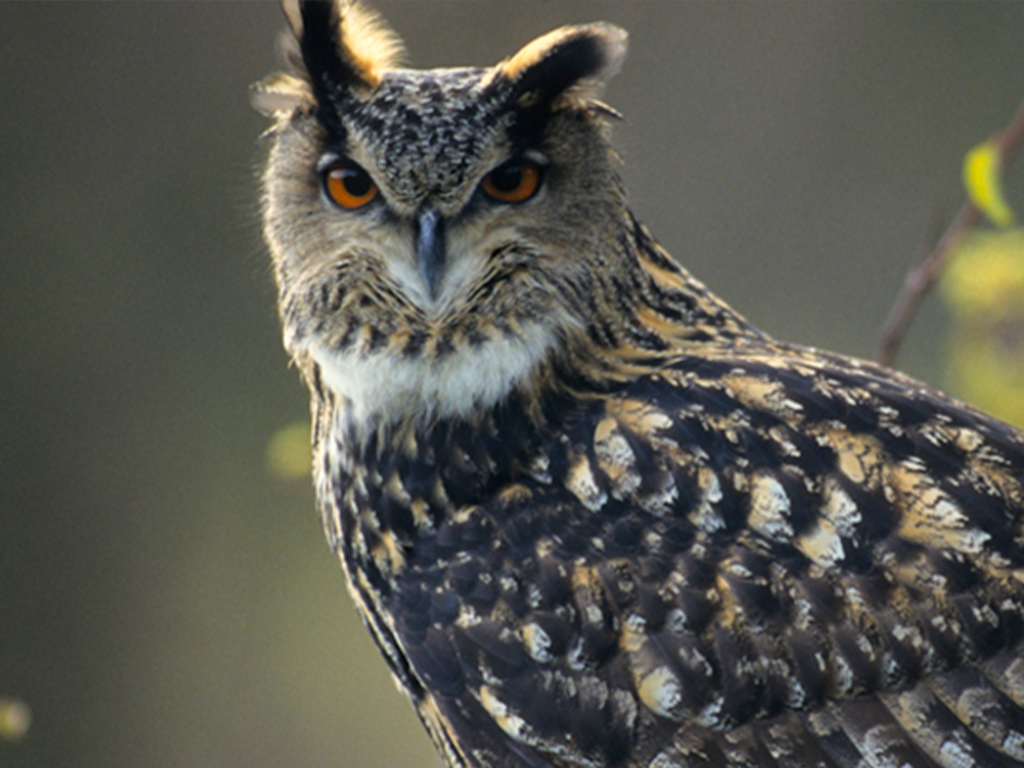
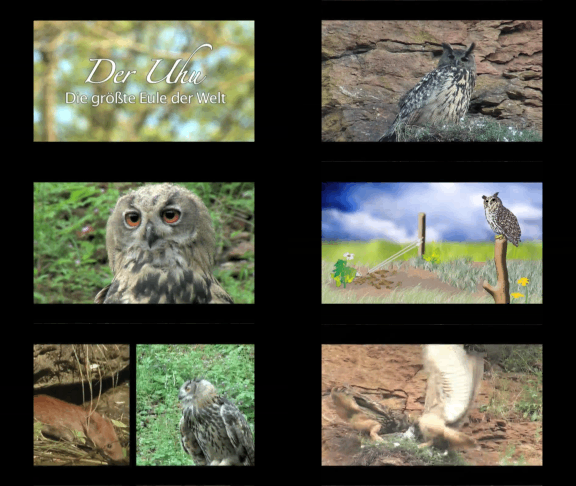
The Eurasian Eagle Owl
With a body length of 60 to 75 cm and a wingspan of up to 170 cm, the Eurasian eagle owl is the largest owl in the world. It is also referred to as “king of the night skies”. After being hunted and almost exterminated by humans, the population of the Eurasian eagle owl has started rising again since the middle of the 20th century. Nevertheless, according to experts, it is not secured yet. Destroyed habitats and disturbances at the breeding sites, for instance by climbers, as well as dangers from power poles still threaten the population of the Eurasian eagle owl today.