







 Geography


4677112 / 5564401
Petroleum
Deposits, Extraction, Use
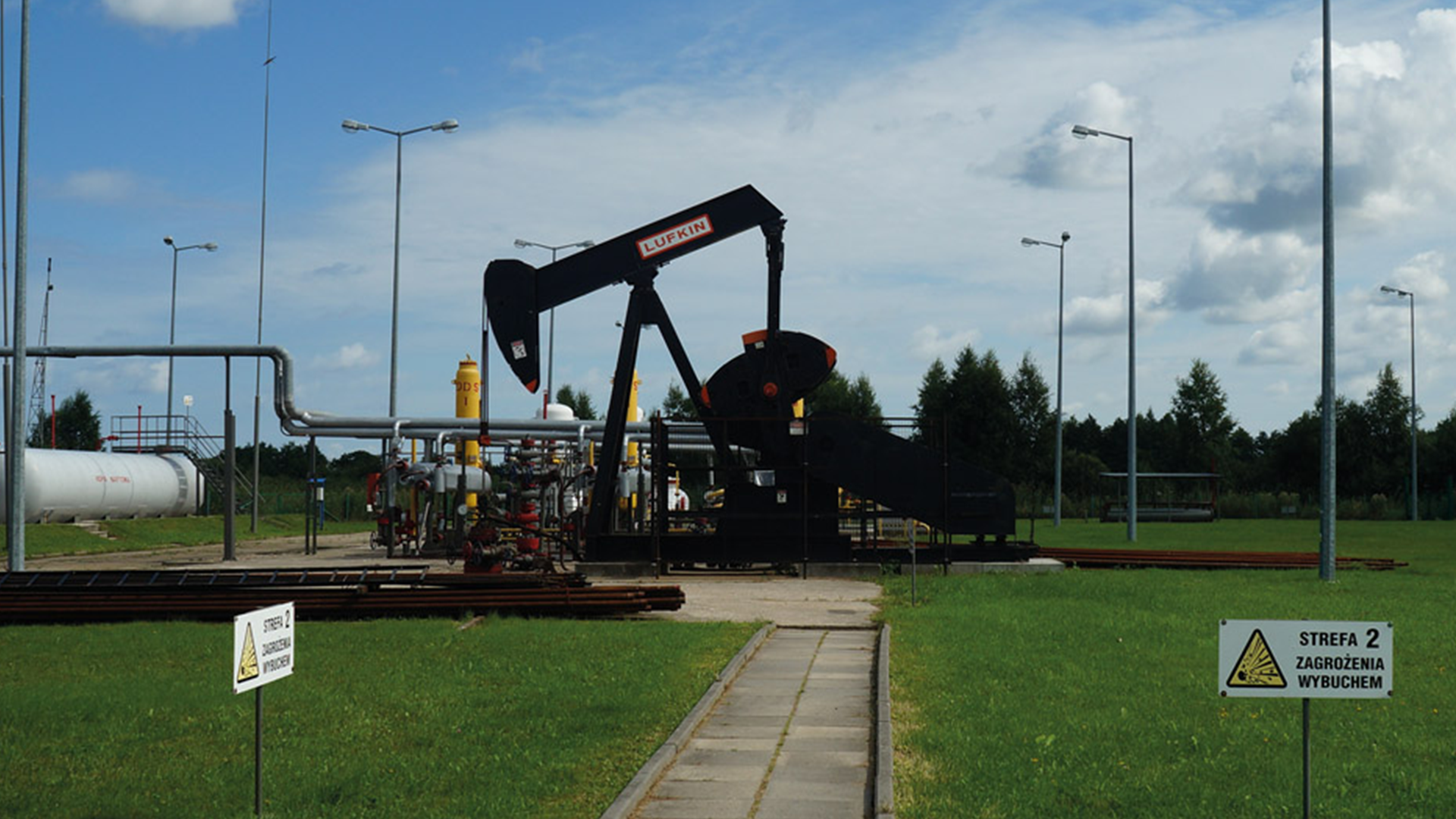
Petroleum – a resource without which our modern industrial society is hardly conceivable. It serves as a basis for the fuel of almost all means of transport, but also for generating heat and electricity.
In addition, petroleum is also an important material for industry, because it is present in plastics, paints and even medicine.
The fossil resource was formed millions of years ago and is hidden in the depths of the Earth – both on land and at sea. It is a long way from petroleum to the product. After extraction, the crude oil is transported to the processing facilities, the refineries, where it is prepared for further use and distributed. Only then can we use it, for instance in the form of petrol or fuel oil.
Petroleum is not available in unlimited quantities. Today, the more environment-friendly regenerative energy sources sun, wind and water already have an increasing share in the energy mix. And the share of biofuels is also rising. But still, petroleum will remain one of our most important raw materials for many products over the next few decades.
- <> Languages : DE, EN
- <> Target Groups : Sek I
- <> Subject : Geography
- <> Length : 23:25 min
- View in learning platform
Licenses
Curriculum-centred and oriented towards educational standards
Matching
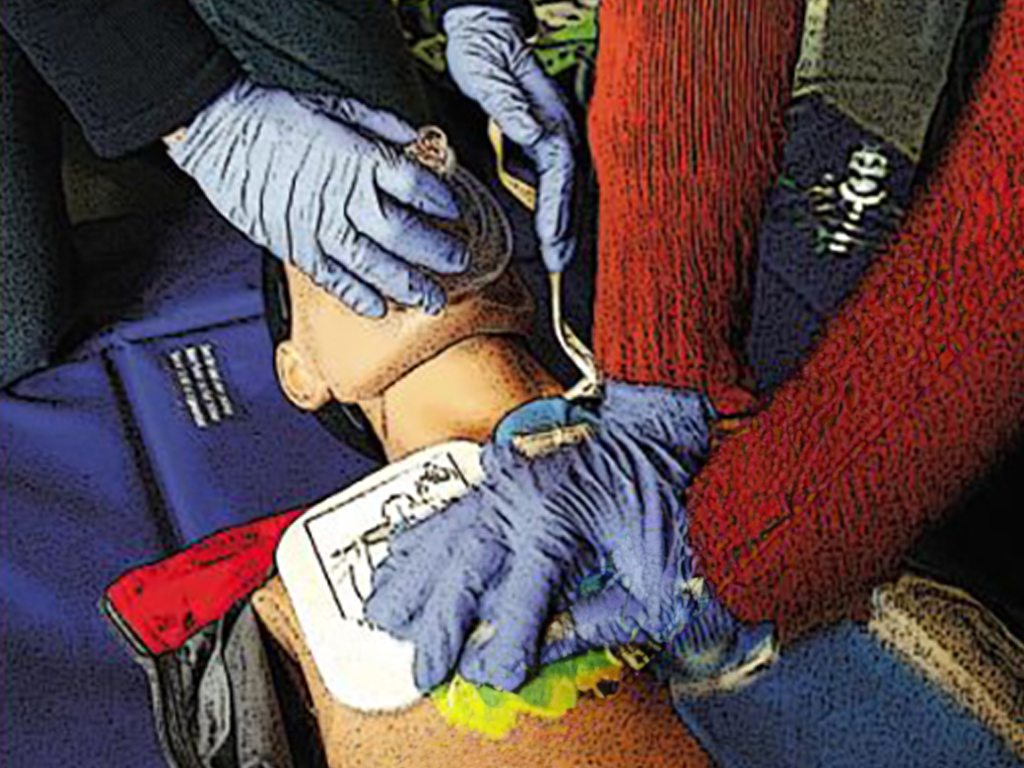

Resuscitation
It can happen to anyone – of any age, in any place, at any time. Sudden cardiac arrest may quickly prove fatal. Immediate action is called for! Just remember: Check Call Press Anyone can do it. You can't do anything wrong!


Big Data
Original soundtrack young woman:


Internet Addiction
The film consists of two parts. The first part is the 15-minute short film “In the Net”. It describes the problem of excessive Internet use in a humorous way, in particular the risk of losing touch with reality when chatting. The second part illustrates with three real persons how Internet addiction can develop and the problems encountered by those who are afflicted. The authentic statements are commented by an experienced therapist. For many pupils, the issues addressed here are related to their everyday lives. What is a “sensible” use of the Internet, where does pathological addiction start? In contrast to addiction to alcohol, nicotine or drugs, the public seems to be largely ignorant of the problem of this addiction, which is not related to any substance abuse. The film provides material for discussion in the classroom (crossdisciplinary) and can be used as a basis for the formulation of prevention strategies.